In the late afternoon haze of New Delhi, the city moves with its usual insistence—traffic folding into itself, conversations rising and dissolving, the rhythm of governance carried in both corridors and crowds. Words travel quickly here, shaped by history and sharpened by proximity to events that rarely remain distant for long.
In recent exchanges, Subrahmanyam Jaishankar has drawn attention with remarks that carried a tone both pointed and measured. Responding to questions surrounding ceasefire diplomacy tied to tensions involving Iran, he dismissed suggestions of mediation with a phrase that lingered—“no dalali,” a colloquial rejection of brokerage or middlemanship. The comment, brief yet resonant, appeared to frame India’s position as one of distance from the unfolding negotiations.
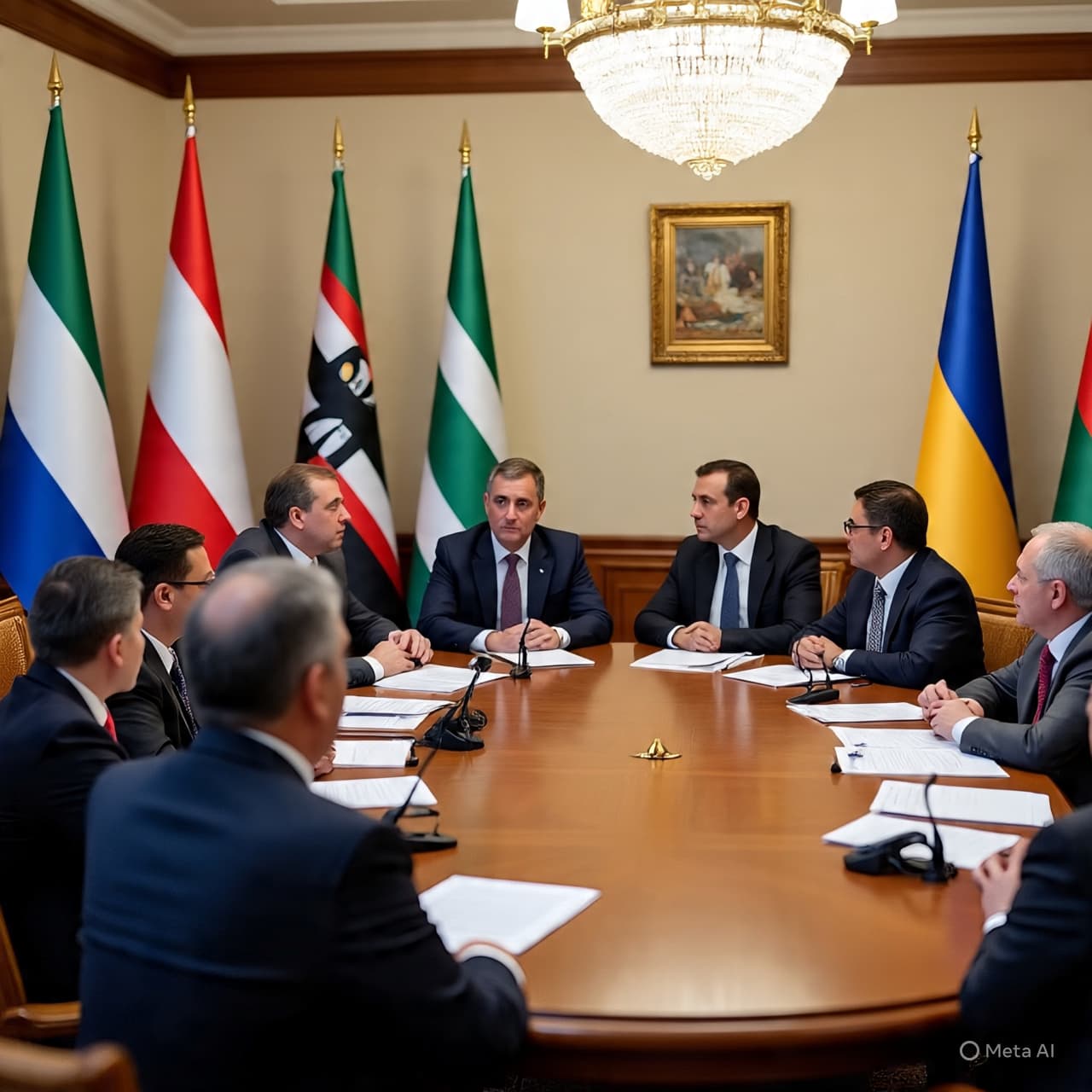
Across the region, however, attention has settled elsewhere. In Islamabad, diplomatic activity has gathered a quieter momentum, as the city hosts discussions connected to efforts at preserving a fragile ceasefire. Delegations arrive and depart with little ceremony, their movements signaling an engagement that is less visible, yet more central to the immediate trajectory of events.
The contrast between statement and setting has become part of the narrative. While New Delhi’s remarks articulate a stance of non-involvement, Islamabad’s role reflects a form of participation that is neither declarative nor easily summarized. It is the difference between positioning and presence—between defining a role and inhabiting it.
India’s approach, shaped by its broader foreign policy priorities, often emphasizes strategic autonomy and calibrated engagement. In moments such as this, that approach translates into a careful delineation of involvement, where distance is not absence, but a chosen posture. Jaishankar’s remarks, in this sense, can be read as an extension of that perspective, reinforcing a boundary even as events continue to unfold nearby.
Meanwhile, Pakistan’s position carries its own set of considerations. Hosting discussions tied to Iran-related ceasefire efforts places it within a network of relationships that span the region, from the Gulf to South Asia. Its role as a facilitator—subtle, at times indirect—aligns with a history of navigating complex diplomatic terrains where visibility is often secondary to function.
Beyond official statements, the broader context remains unsettled. The ceasefire itself, shaped by tensions involving Iran and its regional counterparts, continues to face pressures from developments in multiple directions, including those extending into Lebanon and the sensitive maritime routes of the Strait of Hormuz. In such a landscape, the effectiveness of diplomacy is measured not only by who speaks, but by where and how conversations take place.
For observers, the moment offers a study in contrasts. A phrase delivered in New Delhi travels widely, shaping perception and debate. At the same time, quieter exchanges in Islamabad carry the weight of immediate consequence, their outcomes tied more directly to the stability—or fragility—of the ceasefire.
As the situation continues to evolve, India’s position remains defined by its stated distance, while Pakistan’s involvement reflects an ongoing engagement with the process. Neither approach exists in isolation; both are part of a broader regional dynamic where roles are continuously negotiated and redefined.
In the end, the interplay between voice and presence becomes its own kind of narrative. Words may travel farther, but it is often the quieter spaces—the rooms where discussions unfold without amplification—that shape what comes next. In this instance, as ceasefire efforts hover between continuation and collapse, it is Islamabad that finds itself, for now, at the center of that unfolding quiet.
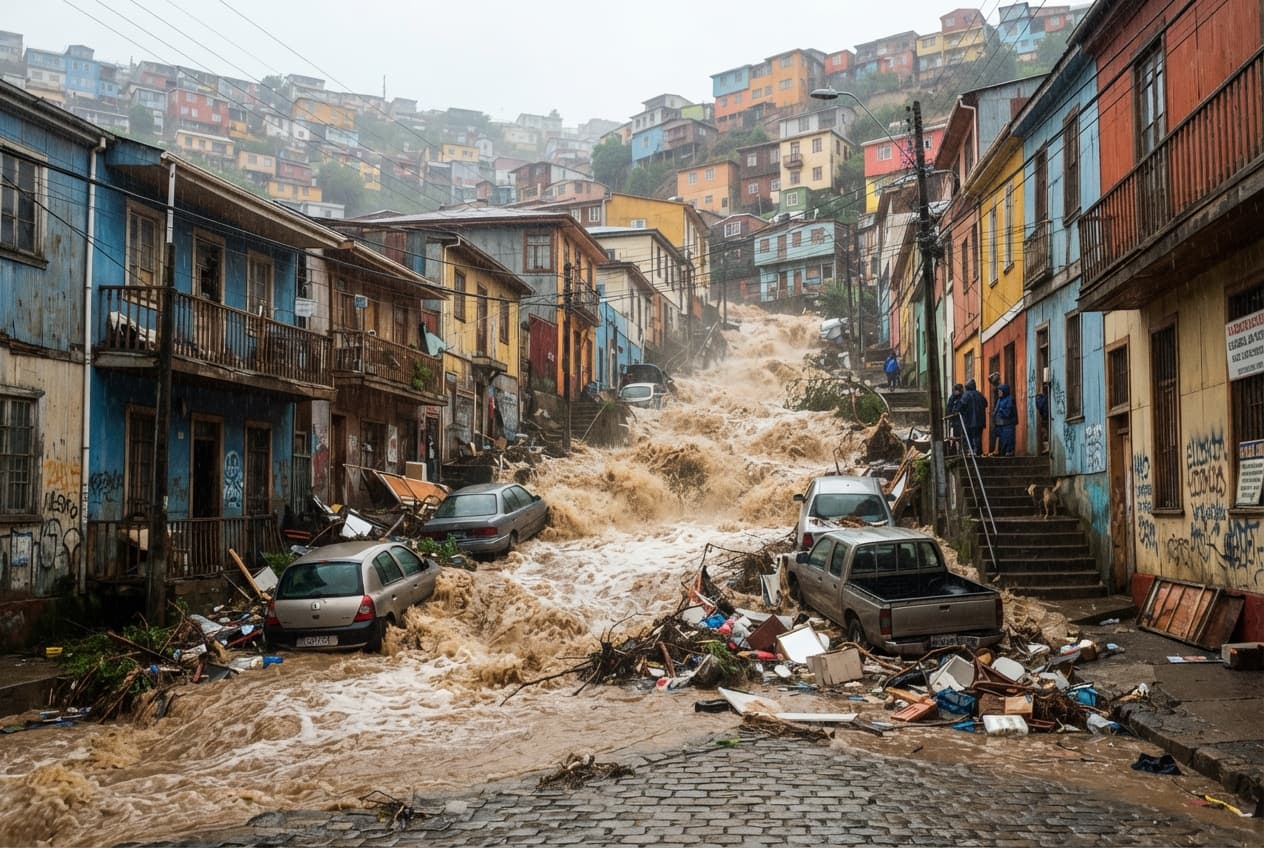
AI Image Disclaimer Visuals are AI-generated and serve as conceptual representations.
Sources : Reuters The Hindu BBC News Al Jazeera The Indian Express
Published by Banx Network. This article is part of the Banx decentralized media programme, powered by the BXE token on the XRP Ledger.