In the world of consumer technology, the most visible objects are often the smallest ones. A smartphone rests in a hand, a wearable sits against the wrist, and an electronic device disappears into everyday routines. Beneath those surfaces, however, lies a dense architecture of chips and software. Xiaomi is now moving deeper into that architecture.
The Chinese technology company has unveiled three self-developed chips as part of its broader push to strengthen its hardware and semiconductor capabilities. The development reflects Xiaomi’s growing effort to control more of the technology inside its products rather than relying entirely on external suppliers.
For a company known primarily for smartphones and consumer electronics, chip development represents a significant expansion of its technological ambitions. Designing a semiconductor requires expertise across architecture, manufacturing processes, software integration, testing, power management, and long-term research.
The move also reflects a wider trend across China’s technology industry. Companies are investing in domestic chip design and computing technologies as the country seeks to build more resilient supply chains and strengthen its position in advanced electronics.
Xiaomi has gradually expanded beyond smartphones into electric vehicles, smart home equipment, tablets, wearables, and other connected products. Each category depends on computing components, creating opportunities for the company to use specialized chips across different parts of its product ecosystem.
The development of proprietary silicon can provide several advantages. Companies can design chips specifically for their own devices, optimize performance and energy consumption, and coordinate hardware more closely with software. It can also give manufacturers greater control over product development schedules.
But chip development is expensive and technically demanding. Semiconductor design requires long research cycles, sophisticated testing, and access to advanced manufacturing capabilities. Companies must also compete against established chip designers with years of experience and extensive global ecosystems.
The importance of the initiative therefore extends beyond the three chips themselves. It represents a broader question about how Chinese technology companies can build complete ecosystems, from processors and operating systems to devices and services.
China’s semiconductor sector is simultaneously attracting large investments from specialized chip companies. Yangtze Memory Technologies Corp., for example, is pursuing a major Shanghai listing to raise capital for its memory-chip business. (reuters.com)
Xiaomi’s latest chip initiative therefore fits into a larger technological movement. The company is moving further into the foundations beneath its consumer products, while China’s broader semiconductor industry continues to develop new capabilities. For users, the results may eventually appear as faster, more efficient, and more tightly integrated devices, even if the chips themselves remain largely invisible.
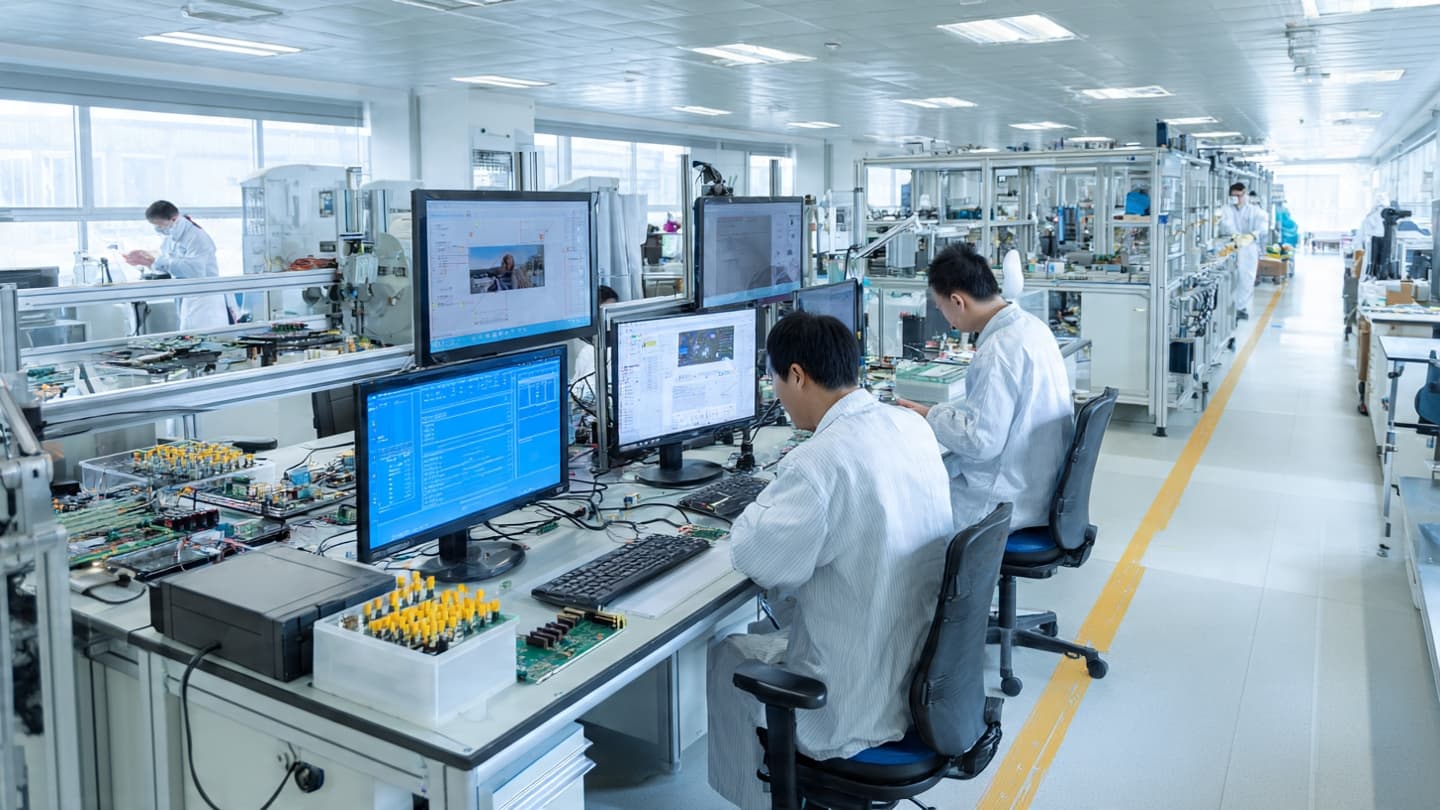
AI Image Disclaimer The illustrations were generated using AI and represent conceptual views of Xiaomi’s semiconductor development rather than real photographs of its facilities.
Sources China Daily Reuters Xiaomi South China Morning Post Nikkei Asia
Published by Banx Network. This article is part of the Banx decentralized media programme, powered by the BXE token on the XRP Ledger.