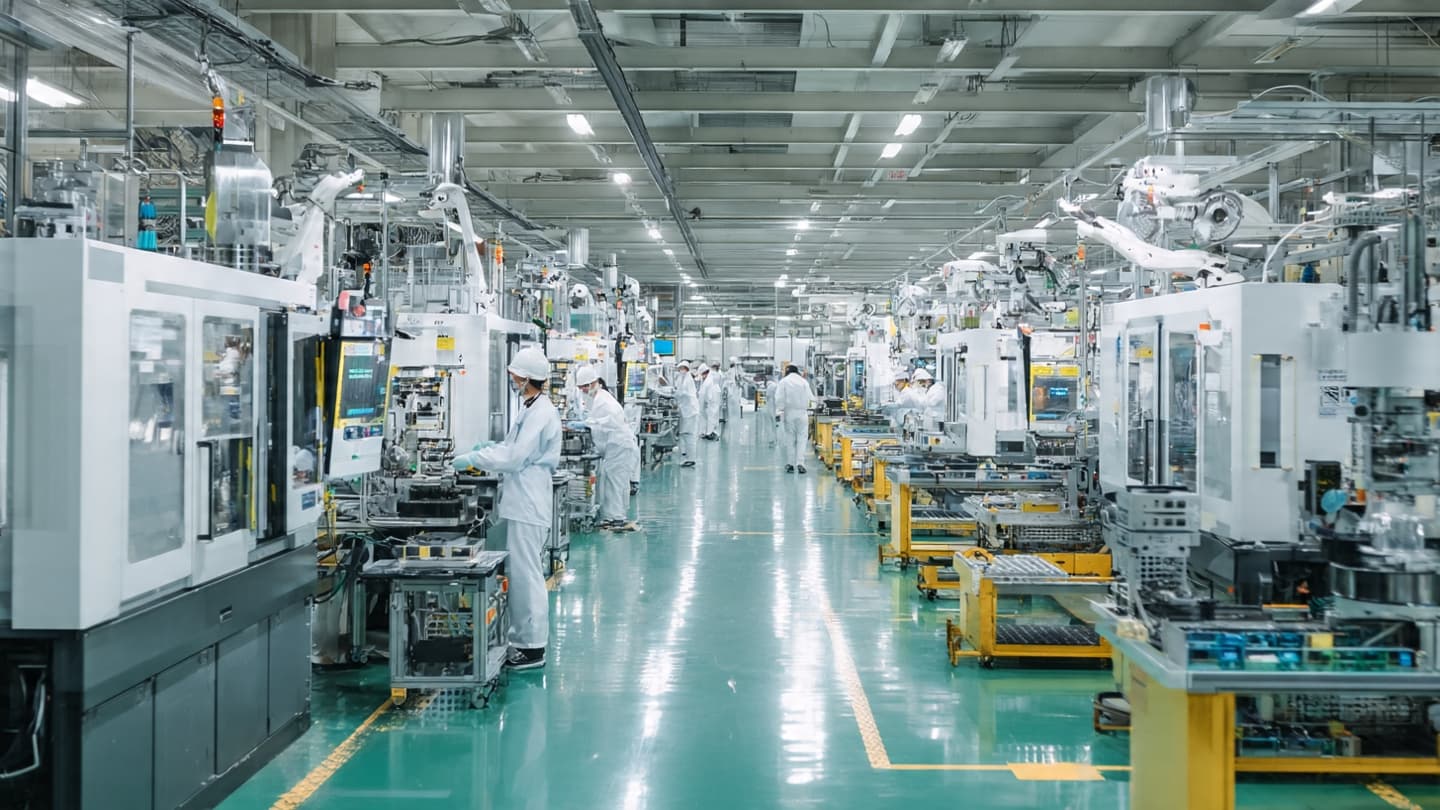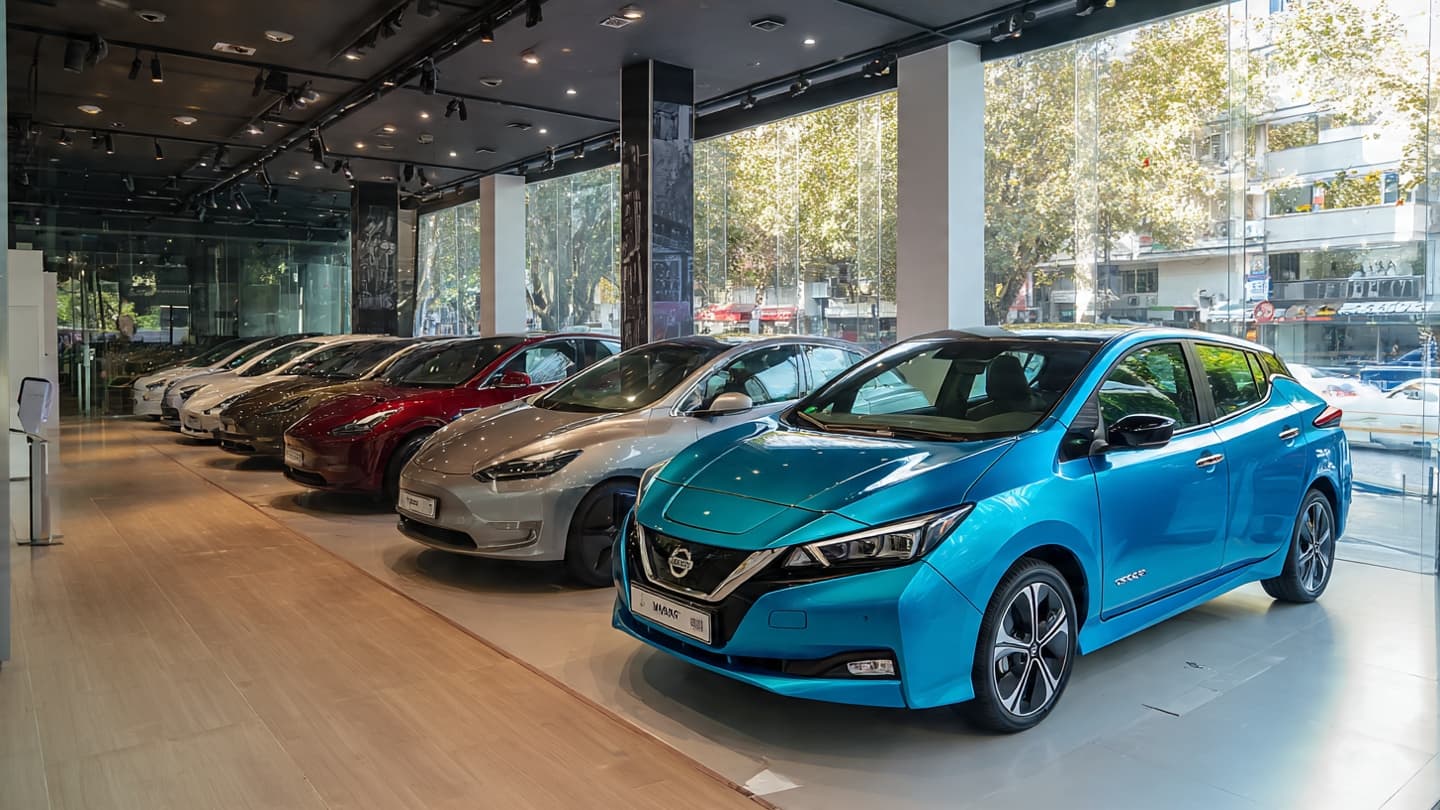
The rhythm of an automobile factory is usually measured in numbers: vehicles completed, shipments dispatched, registrations recorded. Yet sometimes the more revealing movement happens outside the factory gates, in the showroom and on the road. In Argentina, that contrast is becoming increasingly visible as overall automotive activity slows while Chinese electric-vehicle brands gain ground.
Argentina’s automotive production reached 39,381 vehicles in August, according to data from the Association of Automotive Manufacturers. That represented a 26% increase from July but remained 11% below August 2025. Total production during the first eight months of 2026 was 275,228 vehicles, down 17.1% from the same period a year earlier.
Vehicle sales have followed a similar pattern. Wholesale deliveries to dealerships reached 39,068 units in August, rising from July but falling 24.5% compared with August 2025. Through the first eight months of the year, wholesale sales were down 24.8% year over year.
Exports provide a somewhat different picture. Argentina shipped 24,589 vehicles in August, a monthly increase of 5.2%, while the January-to-August total reached 174,859 units, slightly above the same period in 2025. Brazil remained the main destination, accounting for 64.3% of Argentina’s vehicle exports during the first eight months of the year.
Against that uneven backdrop, Chinese automakers are establishing a stronger presence. Brands including BYD, BAIC, Chery, GWM, MG Motor, Jetour, JAC Motors, and Changan have entered or expanded within the Argentine market, with their combined registrations reaching roughly 3,300 new vehicles according to the Buenos Aires Herald.
Their share of Argentina’s light-vehicle market has approached 8% in less than a year. The number is particularly notable because several of these brands were either absent or barely visible in the market just one year earlier.
BYD has made the most prominent advance. The company registered 1,389 vehicles in August and became the first Chinese automaker to enter Argentina’s overall top ten by brand sales, according to data cited by the Buenos Aires Herald.
The development comes as electric vehicles gradually become more visible in Argentina’s automotive landscape. Chinese manufacturers have arrived with electric and hybrid models, bringing competition not only through pricing but also through battery technology, equipment, design, and increasingly recognizable international brands.
Chinese manufacturers are also considering longer-term possibilities beyond importing vehicles. Geely, which returned to Argentina with the electric EX5, has discussed the possibility of eventually producing vehicles locally, adding another dimension to the changing relationship between Chinese automakers and Argentina’s industrial base.
For Argentina’s automotive sector, the next stage will depend on how these new brands develop their dealer networks, after-sales services, charging infrastructure, pricing, and local industrial relationships. The broader market remains under pressure, but beneath those slower numbers another movement is already visible: new manufacturers are entering, electric models are becoming more familiar, and Argentina’s roads are gradually making room for a different generation of vehicles.
AI Image Disclaimer The images accompanying this article were produced through AI generation and are intended only as conceptual representations of Argentina’s automotive market, not photographs of real dealerships or vehicle registrations.
Sources Buenos Aires Herald AFAC ADEFA ACARA La Nación
Published by Banx Network. This article is part of the Banx decentralized media programme, powered by the BXE token on the XRP Ledger.