An economy can become more productive without becoming visibly busier. The same office may contain the same desks, the same workers, and the same morning routines, while technology and organization quietly change what can be accomplished within a working day. That gradual transformation appeared in the latest U.S. productivity figures.
U.S. worker productivity increased at an annualized rate of 1.4% in the second quarter, according to data reported by Reuters. The increase was stronger than economists had expected and followed a decline recorded in the previous quarter.
Productivity measures how much economic output is produced for each hour of work. It is therefore closely watched because sustained productivity growth can allow businesses to expand output without increasing labor input at the same rate.
The second-quarter improvement came as the American economy continued to experience changes in how companies organize work. Digital tools, automation, data systems, and artificial intelligence are becoming increasingly important across industries, although their effects are not distributed evenly.
For businesses, higher productivity can create room for investment and expansion. When companies are able to produce more efficiently, they may have greater flexibility in managing costs, improving products, or responding to changes in demand.
The relationship between productivity and wages is also important. Workers can benefit when productivity gains support stronger compensation over time, while businesses may gain from increased output relative to labor costs. The balance between these forces often develops gradually rather than appearing in a single economic report.
The latest numbers arrive alongside a more mixed employment picture. July payrolls unexpectedly declined, while the unemployment rate fell to 4.1%. Taken together, the data suggest an economy in which hiring has become less energetic even as some measures of efficiency continue to improve.
Such contrasts are common during periods of economic transition. Companies may reduce hiring while investing in technology or restructuring existing operations. A slower increase in headcount does not necessarily mean that production is falling if each worker or hour of labor is generating more output.
For now, the productivity figures offer one of the clearer positive signals within an otherwise varied economic landscape. They show that American businesses continue to find ways to increase efficiency, while the broader economy moves through a period in which employment, investment, and demand are developing at different speeds.
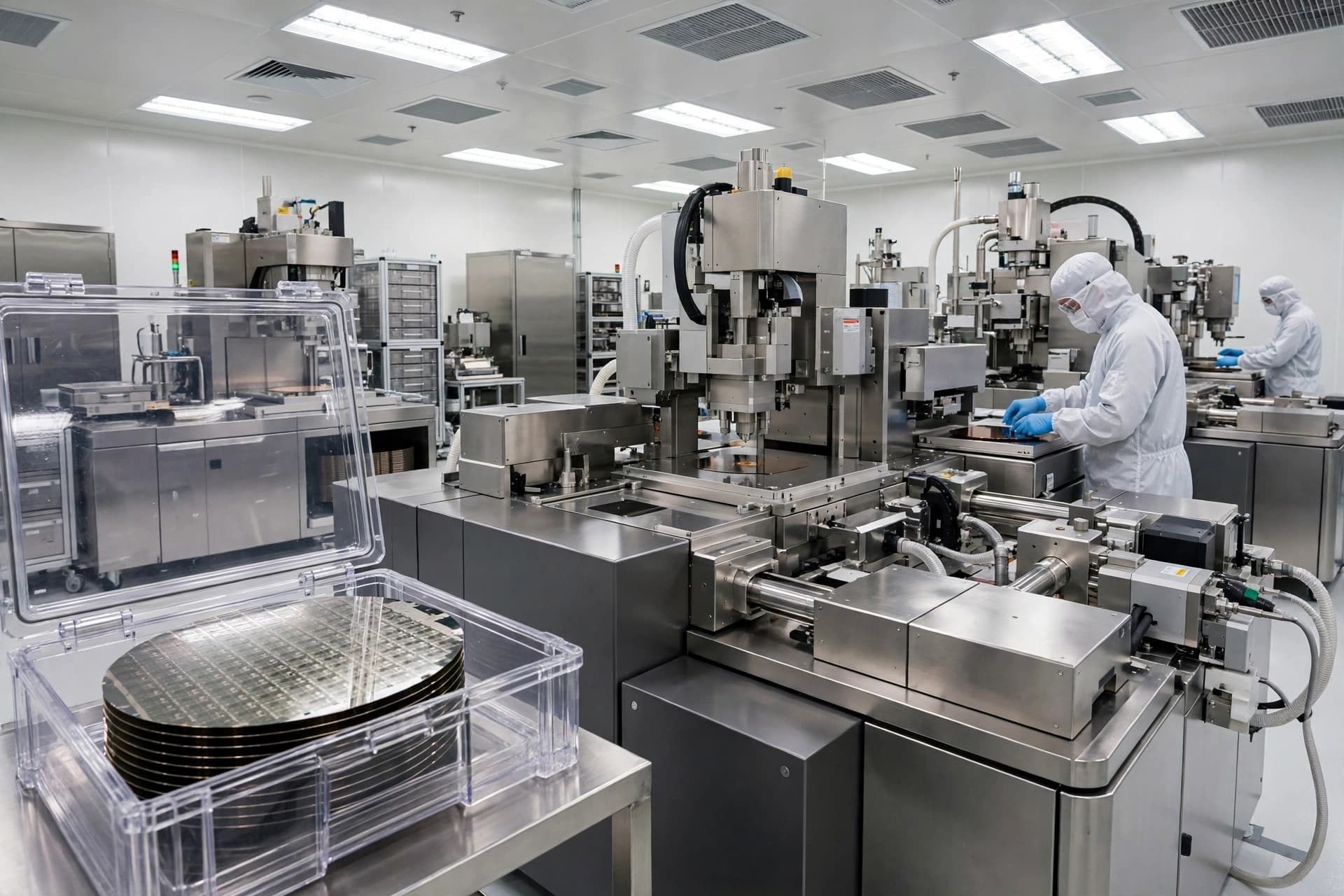
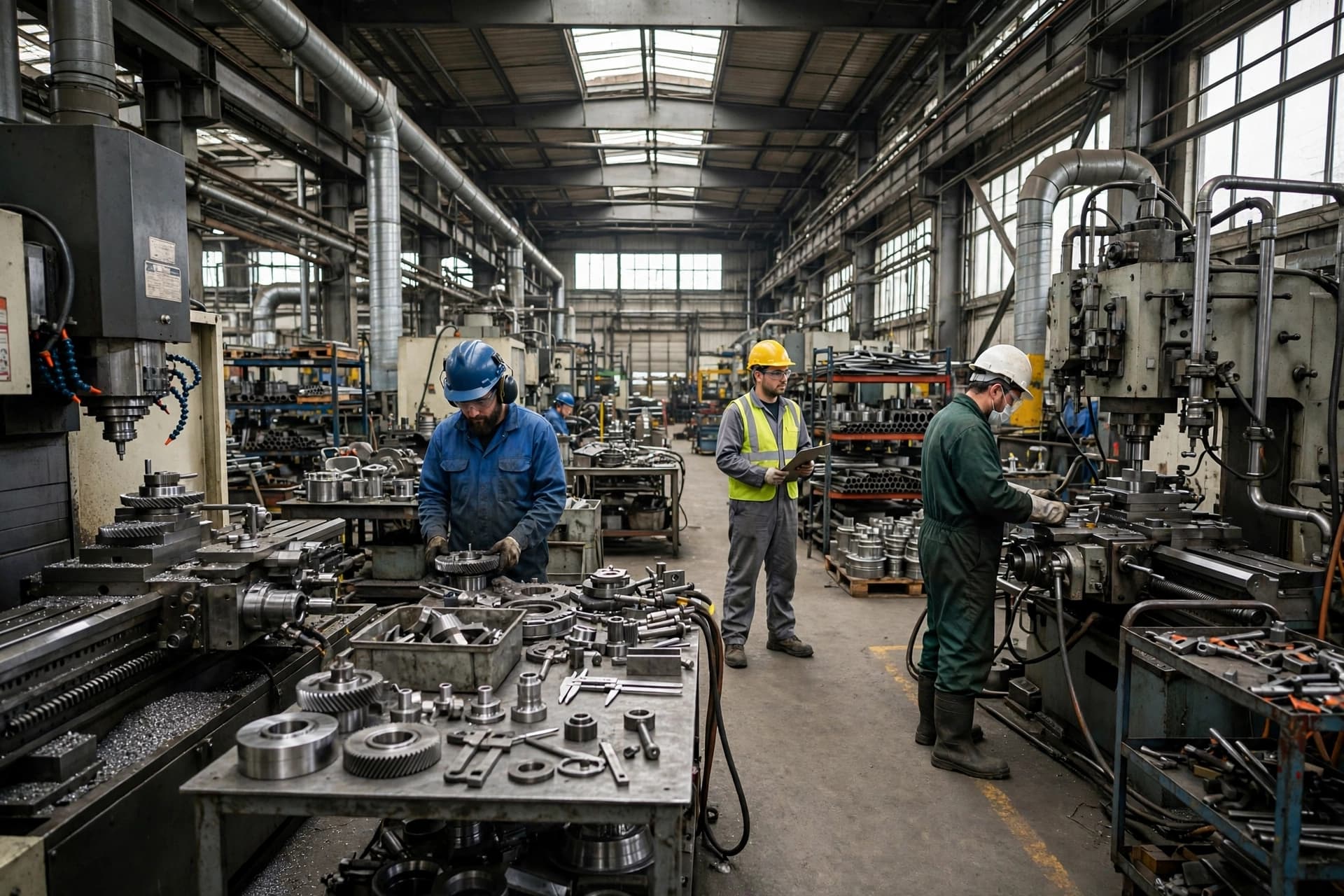
AI Image Disclaimer: These images were generated with AI and are conceptual representations rather than photographs of actual workplaces.
Sources Reuters U.S. Bureau of Labor Statistics U.S. Bureau of Economic Analysis
Published by Banx Network. This article is part of the Banx decentralized media programme, powered by the BXE token on the XRP Ledger.