Much of the American economy lives outside factories. It moves through restaurants, hospitals, banks, hotels, technology companies, transportation networks, professional offices, and countless other services that fill the spaces between production and consumption.
That enormous service economy continued to expand in July. Data cited by Reuters showed that U.S. service-sector activity maintained a strong pace during the month, although the details beneath the headline revealed a more mixed picture.
The Institute for Supply Management’s services index remained firmly above the level that separates expansion from contraction. The reading suggested that businesses across the sector continued to experience growth in activity and demand.
New orders remained an important part of the picture. When businesses receive more orders, they generally need to increase staffing, inventory, transportation, and other resources. That creates a chain of activity extending from individual companies into the wider economy.
Yet employment presented a quieter note. The services employment measure declined during the month, suggesting that business activity and hiring were not moving at exactly the same pace.
Prices also remained an area of attention. Businesses continued to report pressure from various input costs, including labor and other operating expenses. When such costs remain elevated, companies can face difficult decisions over whether to absorb them or pass them on to customers.
The relationship between activity, employment, and prices is particularly important because services account for a large share of U.S. economic output. A strong services sector can support broader growth, but persistent price pressures can influence consumer spending and business decisions.
Technology is also changing how many service companies operate. Automation, artificial intelligence, digital payments, cloud computing, and online customer services are altering the way companies deliver products and interact with customers. Those changes can improve productivity while also reshaping the demand for certain kinds of workers.
Economists therefore continue to watch the services data alongside employment reports, inflation figures, consumer spending, and other indicators. No single monthly survey can describe the entire economy, but together these measures help show where economic momentum is strengthening and where pressure remains.
July’s figures ultimately describe a service economy that continues to expand, even as the components beneath that growth move at different speeds. Businesses remained active, demand held up, and expansion continued, while employment and prices provided reminders that the American economy remains in a period of adjustment.
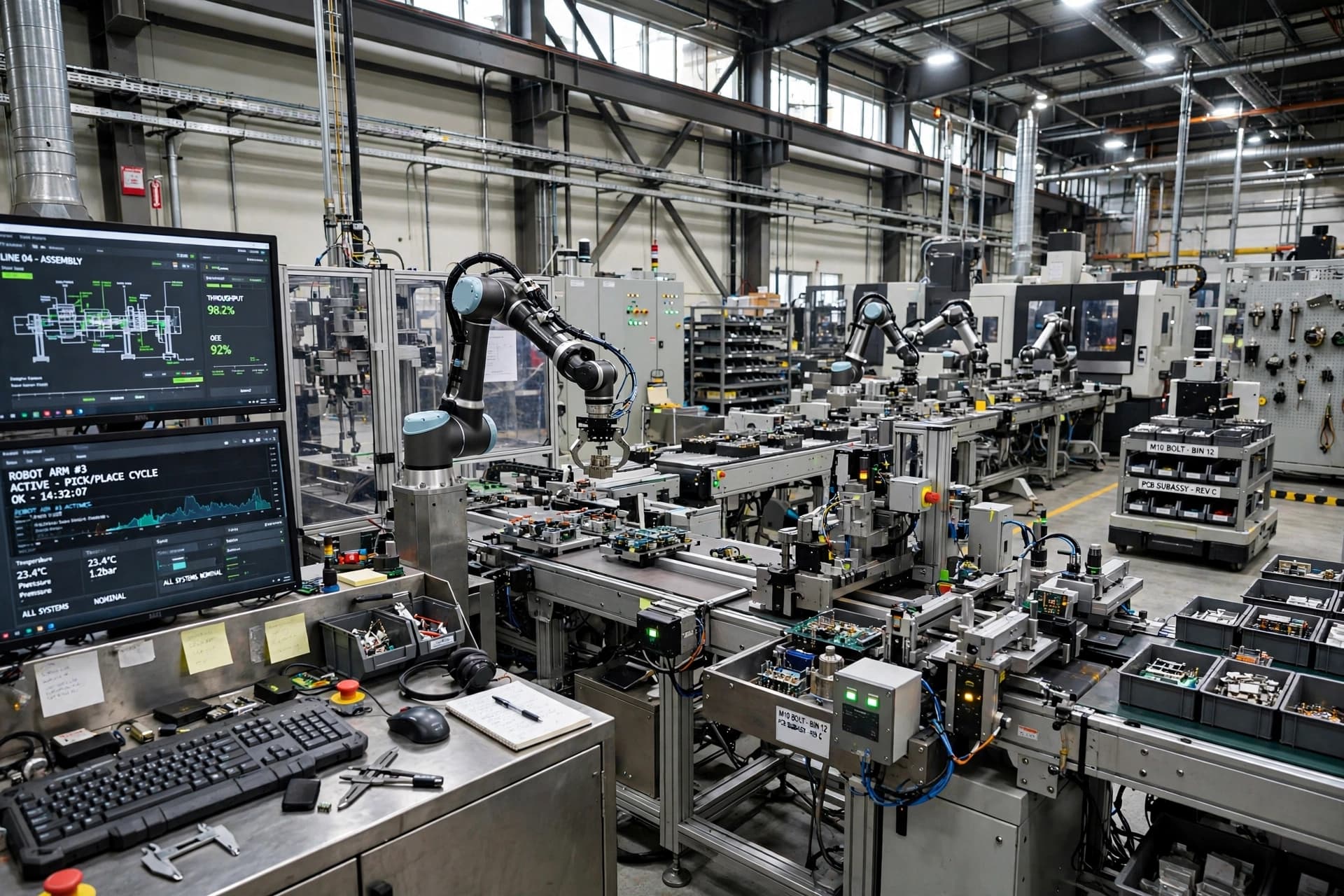
AI Image Disclaimer: These images are AI-generated visual interpretations created to accompany the article and are not real photographs.
Sources: Reuters Institute for Supply Management U.S. Bureau of Economic Analysis U.S. Bureau of Labor Statistics
Published by Banx Network. This article is part of the Banx decentralized media programme, powered by the BXE token on the XRP Ledger.