The journey of a medicine is longer than the moment it reaches a patient's hand. Before a tablet is packaged or an injection is prepared, laboratories, factories and supply networks have already carried the treatment through years of development.
That infrastructure is now expanding across the United States. Global pharmaceutical companies have announced more than $500 billion in investments aimed at increasing American manufacturing capacity, research activity and supply-chain resilience.
Pfizer has announced plans to invest $70 billion in U.S. research and development and domestic manufacturing. Eli Lilly is planning six American facilities, while Johnson & Johnson has raised its planned U.S. investment to approximately $55 billion.
Other pharmaceutical companies are following similar paths. Roche has committed more than $50 billion to U.S. operations, while AstraZeneca has announced a $50 billion investment program through 2030.
Novartis is also planning to build or expand 10 U.S. sites with an investment of roughly $23 billion. Taken together, these commitments represent one of the largest waves of pharmaceutical investment in American manufacturing and research infrastructure.
The investment has several motivations. Companies are responding to supply-chain concerns, changing trade conditions and the desire to manufacture a greater share of medicines closer to the patients who use them.
For American communities, the construction of pharmaceutical facilities can create activity far beyond the factory itself. New plants require engineers, technicians, construction workers, logistics providers and specialized suppliers.
Research investments can have an equally broad effect. Laboratories attract scientists and support partnerships with universities, medical institutions and technology companies, creating networks that can continue developing long after an individual facility opens.
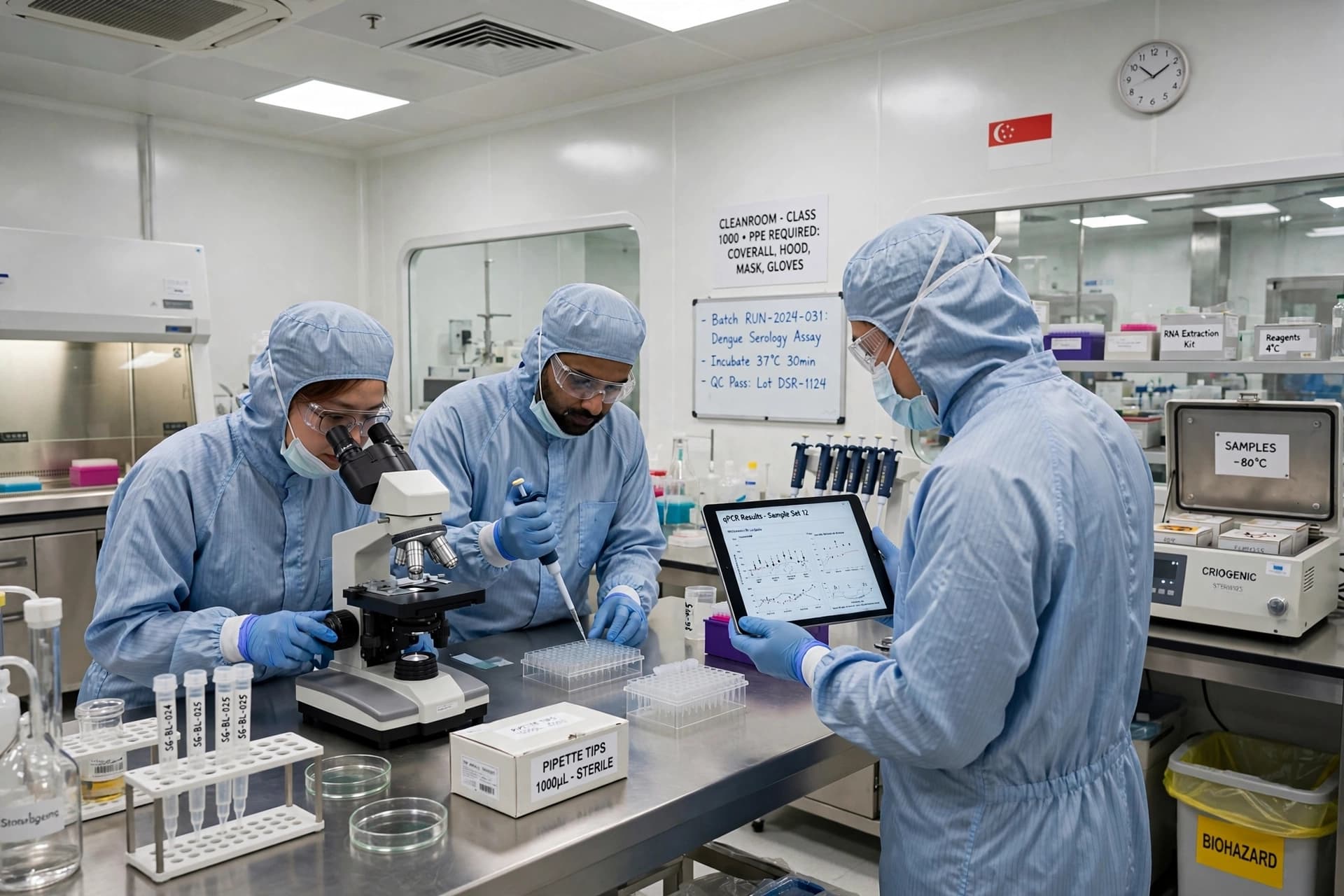
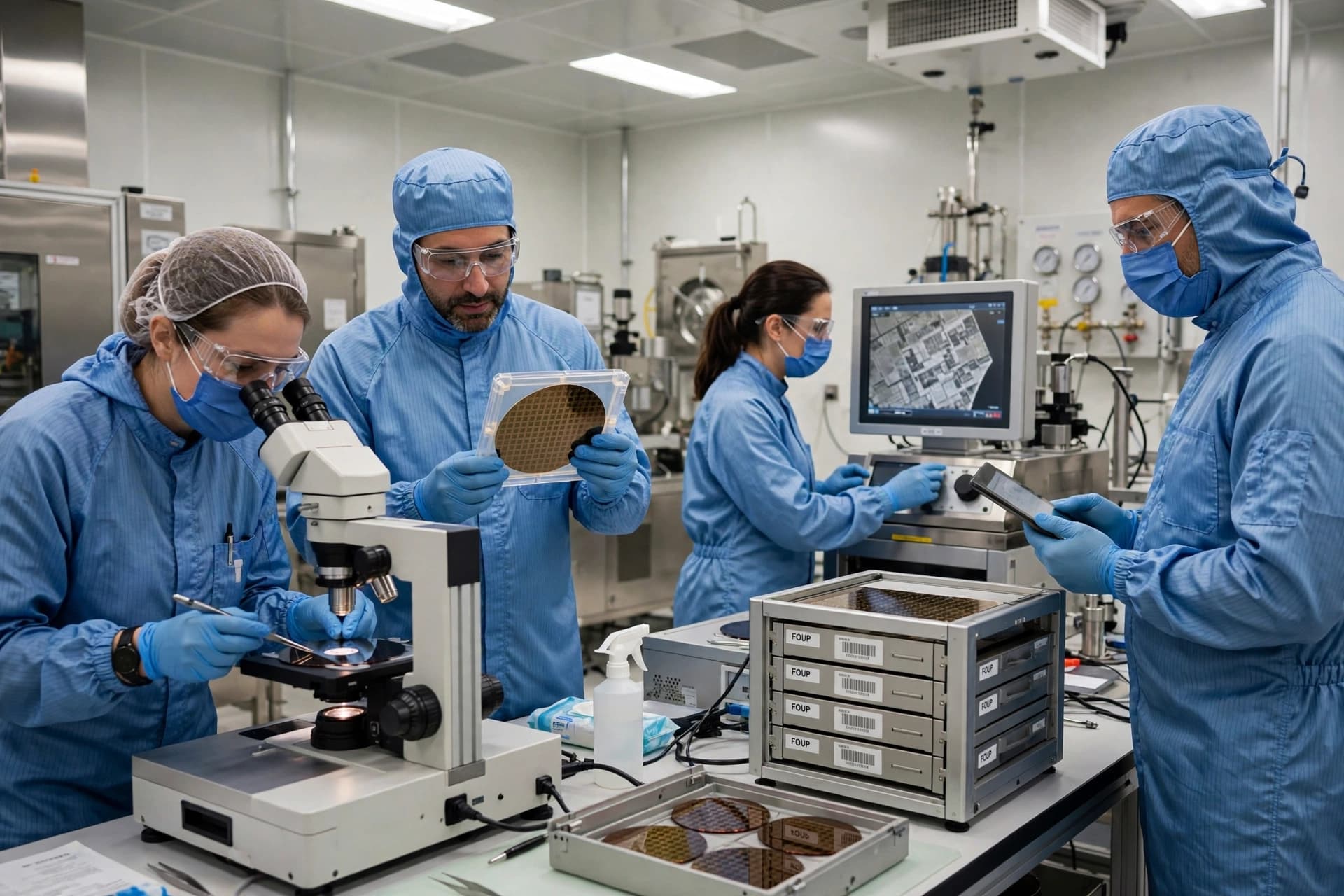
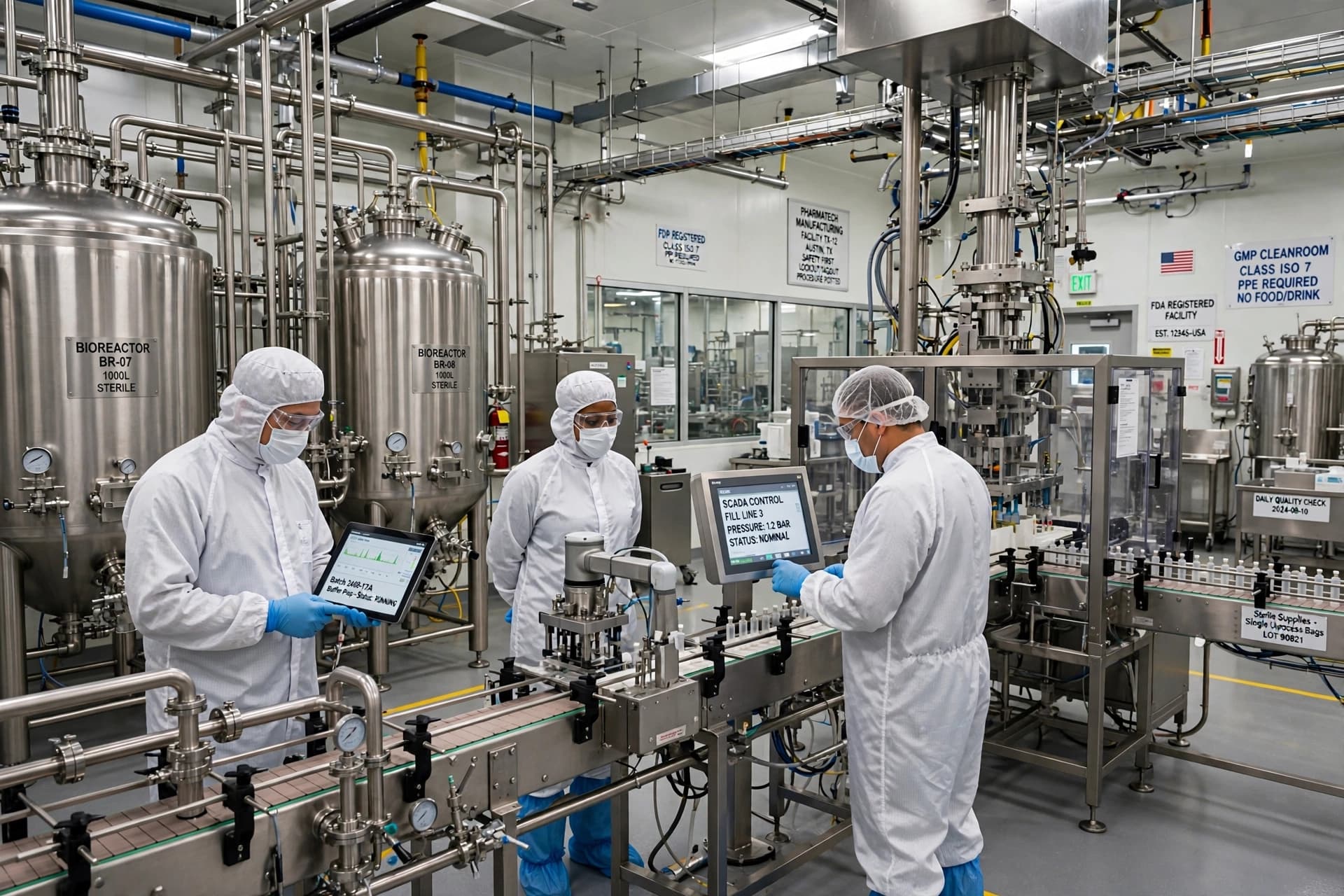
The pharmaceutical industry also requires highly specialized infrastructure. Manufacturing medicines involves strict quality controls, sophisticated equipment and carefully monitored production environments.
That makes the current investment wave more than a simple expansion of factory space. It represents an effort to strengthen the physical foundations supporting research, production and distribution of medicines in the United States.
The scale is already substantial. More than $500 billion in commitments have been announced by global drugmakers, with major projects spread across manufacturing, research and supply-chain operations.
The result is a changing pharmaceutical geography in America, where laboratories and production facilities are becoming increasingly central to the industry's next stage. For patients, the ultimate significance will be measured not by the size of the investment alone, but by how effectively these facilities translate research into reliable medicines.
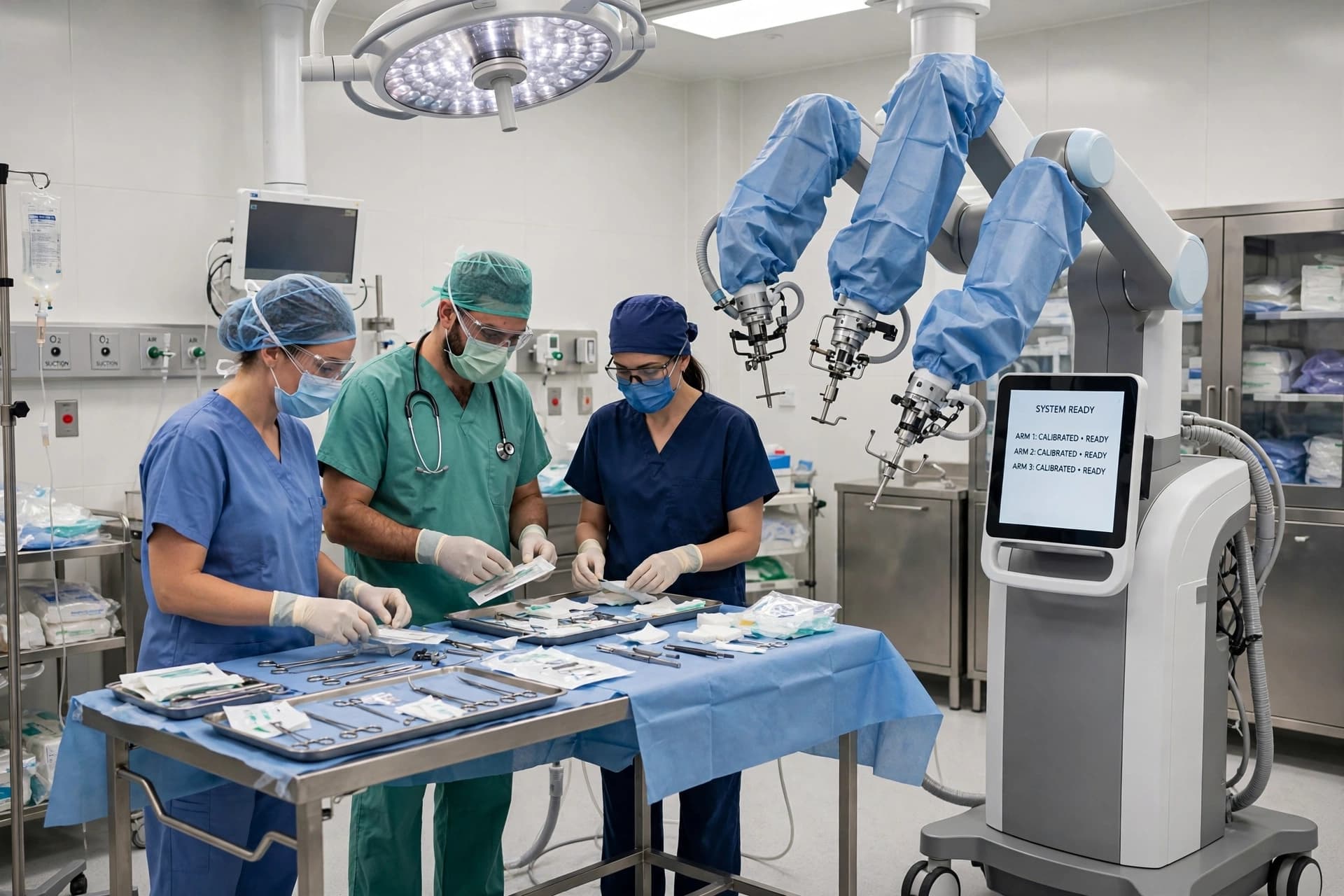
AI Image Disclaimer: The illustrations were generated using AI as conceptual representations of pharmaceutical investment and manufacturing and do not show actual company facilities.
Sources: Reuters Pfizer Eli Lilly Johnson & Johnson AstraZeneca
Published by Banx Network. This article is part of the Banx decentralized media programme, powered by the BXE token on the XRP Ledger.