Economic growth can sometimes be seen most clearly not in a single dramatic figure, but in the ordinary movement of people and businesses. During the second quarter of 2026, that movement in the United States proved stronger than initially estimated. Updated government figures placed annualized GDP growth at 2.2%, reflecting a combination of household spending and business investment that continued to push the economy forward.
The revised figure was higher than the previous estimate of 1.5%. It also followed a revised 2.5% growth rate in the first quarter, giving the first half of the year a backdrop of continued expansion even as businesses and consumers faced higher costs and an uncertain international environment.
Consumer spending remained one of the clearest forces beneath that growth. Household consumption increased at a 3.8% annual rate during the second quarter, a substantial acceleration from the 0.7% rate recorded during the first quarter. Since consumer spending represents more than two-thirds of overall U.S. economic activity, its movement carries considerable weight.
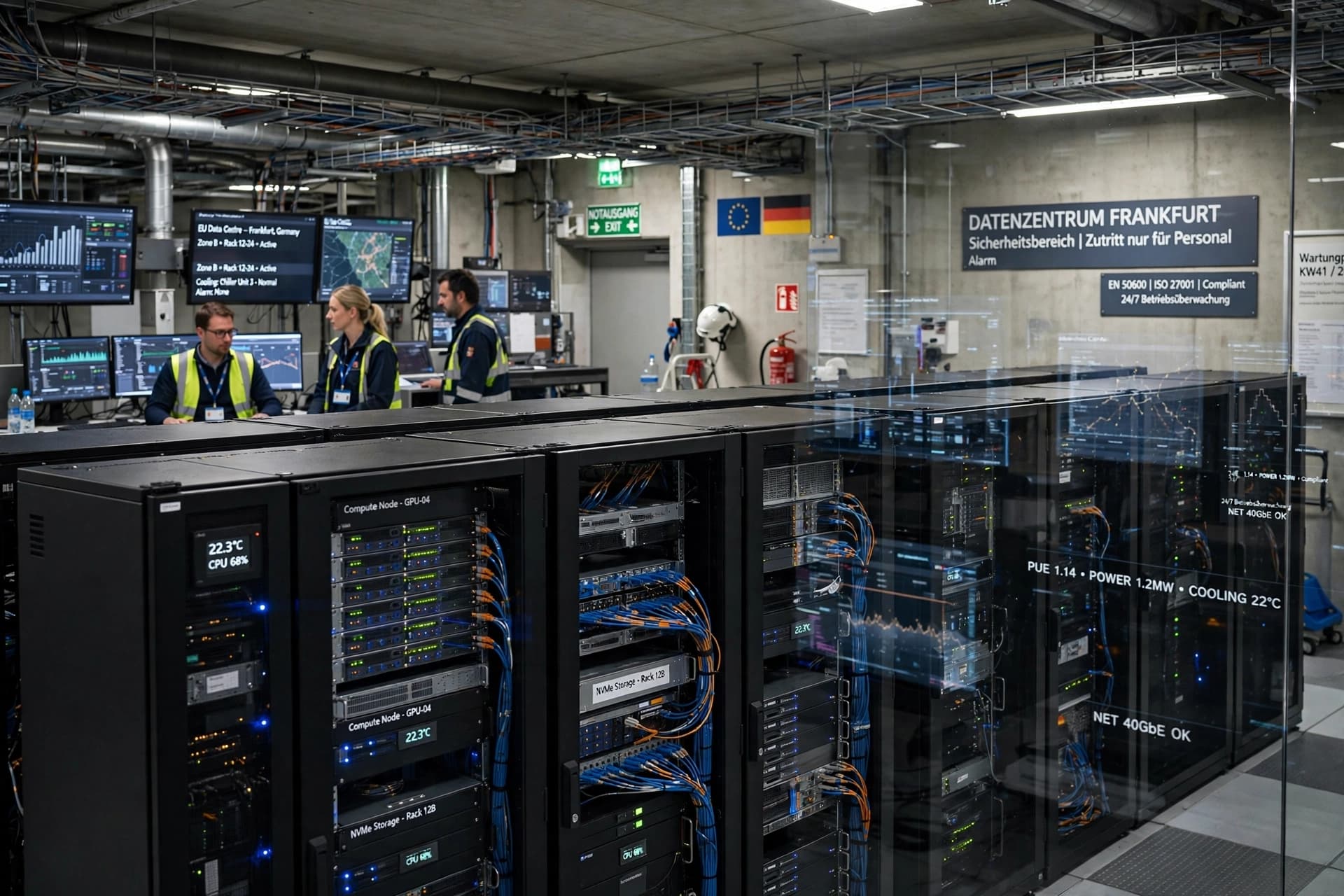
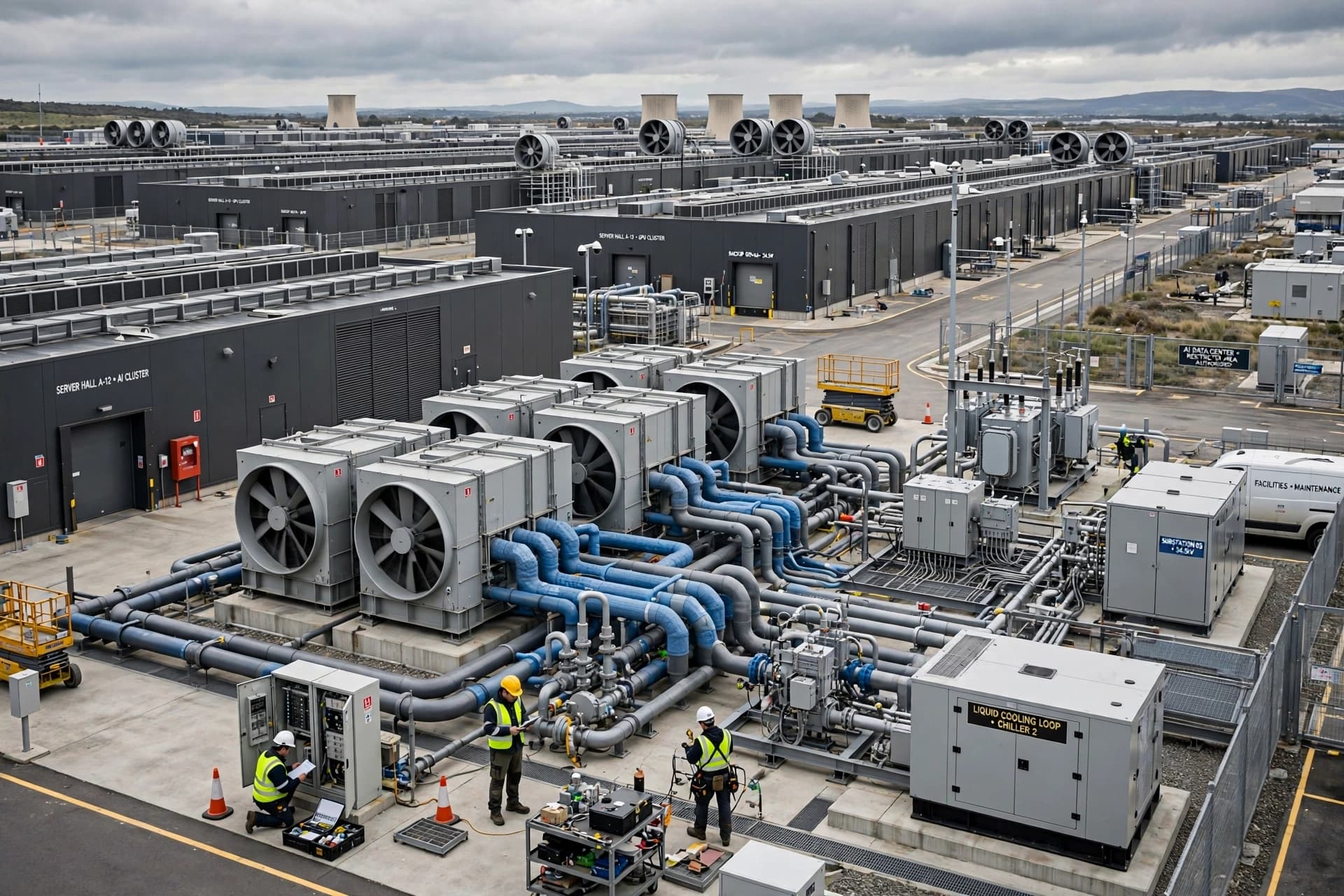
Behind the shopping streets and online checkout pages, another transformation has been taking place. Business investment related to artificial-intelligence infrastructure contributed to the economy’s performance, as companies continued to spend on equipment and systems needed for the rapidly expanding AI sector.
That investment has become part of a broader technological cycle. Data centers, computing equipment, semiconductors, and other infrastructure require substantial capital, creating demand that reaches beyond technology companies themselves. Construction, equipment suppliers, energy providers, and other businesses can all become connected to the expanding network surrounding AI.
The revised figures also showed that final sales to private domestic purchasers increased at a 4.6% annual rate in the second quarter, up from the previous estimate of 4.2%. The measure excludes trade, inventories, and government spending, offering another view of underlying private domestic demand.
Business equipment spending also maintained double-digit growth, according to the revised data. At the same time, housing investment increased 2.8%, marking its first rise since late 2024. The collection of figures suggests that several areas of private activity were contributing to the broader economic picture rather than relying on a single source of momentum.
There were still signs of pressure beneath the surface. Higher inflation, particularly in gasoline prices, was weighing on household budgets. Consumer confidence also fell sharply in September, according to the Conference Board, showing that continued economic growth did not necessarily translate into an equally comfortable feeling among households.
Imports also played a complicated role in the calculation. A sharp rise in imports, including AI-related goods such as computer chips, reduced the headline GDP figure by nearly 1.7 percentage points, according to the Associated Press. That detail reflects how the same technological investment that supports domestic activity can also increase demand for products manufactured abroad.
The second-quarter numbers therefore leave an American economy moving on several currents at once: consumers are still spending, businesses are investing heavily in AI infrastructure, and housing has begun to recover, while inflation and household confidence remain important considerations. The Commerce Department’s next estimate for third-quarter GDP is expected later in October, offering another glimpse into how this balance develops.
AI Image Disclaimer
These illustrations were created with AI tools and are conceptual visualizations rather than real photographs.
Sources
Reuters Associated Press
Published by Banx Network. This article is part of the Banx decentralized media programme, powered by the BXE token on the XRP Ledger.