Key Highlights
- Event:Michigan Senate candidate Abdul El-Sayed had a tense exchange with Sky News correspondent James Matthews.
- Context:The confrontation occurred on election night, highlighting El-Sayed's stance on foreign media.
- Reaction:The incident sparked widespread attention and criticism from commentators in the UK.
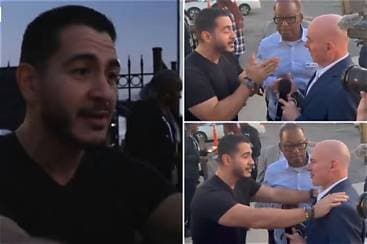
Abdul El-Sayed, a prominent Democratic candidate in the Michigan Senate race, found himself at the center of a heated confrontation with Sky News correspondent James Matthews on election night. The exchange unfolded as Matthews attempted to engage El-Sayed in a discussion about his views on UK media coverage and voter influence from abroad. El-Sayed's response was notably dismissive, stating he wanted “zero” votes from Britain and expressing indifference toward Matthews' inquiries.
The incident began when Matthews approached El-Sayed, seeking to ask questions about his campaign and the implications of his victory over Republican Mike Rogers. Instead of engaging with the reporter, El-Sayed's reaction was to assert his disinterest in UK opinions, which he felt were irrelevant to his campaign. This moment encapsulated a broader sentiment among some American politicians who view foreign media scrutiny as unwarranted interference in domestic politics.
As the exchange escalated, El-Sayed asked Matthews to stop following him, to which Matthews clarified that he was merely asking questions and not pursuing him in a threatening manner. This back-and-forth drew significant attention on social media platforms, with many users sharing clips of the confrontation and offering their opinions on the appropriateness of El-Sayed's response.
Critics, particularly from the UK, expressed concern over El-Sayed's dismissive attitude towards foreign journalists, arguing that such interactions are crucial for fostering international understanding and dialogue. Supporters of El-Sayed, however, defended his stance, suggesting that he was right to prioritize his campaign's focus on American voters rather than engaging with foreign media narratives.
The incident has sparked discussions about the role of international media in American elections and how candidates should navigate questions from foreign correspondents. As the political landscape continues to evolve, the implications of such confrontations may influence how future candidates approach media interactions, particularly those from outside the United States.
El-Sayed's exchange with Matthews serves as a reminder of the complexities involved in modern political communication, where candidates must balance their messaging with the expectations of a global audience. As the fallout from this incident continues, it remains to be seen how it will affect El-Sayed's campaign and his relationship with the media moving forward.
Published by Banx Network. This article is part of the Banx decentralized media programme, powered by the BXE token on the XRP Ledger.