There are moments when the machinery of government turns its gaze toward the voices it would prefer to silence, and in doing so, reveals something about the nature of power itself. This week, in a federal courtroom in Washington, that machinery was asked to explain itself—and the explanation, according to lawyers for the Walt Disney Company, amounted to an assault on the First Amendment.
At the center of the dispute are eight local television stations owned by ABC, Disney's subsidiary. In April, FCC Chair Brendan Carr ordered an early review of their broadcast licenses—a move that had not been taken in more than 50 years and one that came just a day after President Trump publicly urged ABC to fire late-night host Jimmy Kimmel . The licenses were not due to expire until 2028 to 2031 .
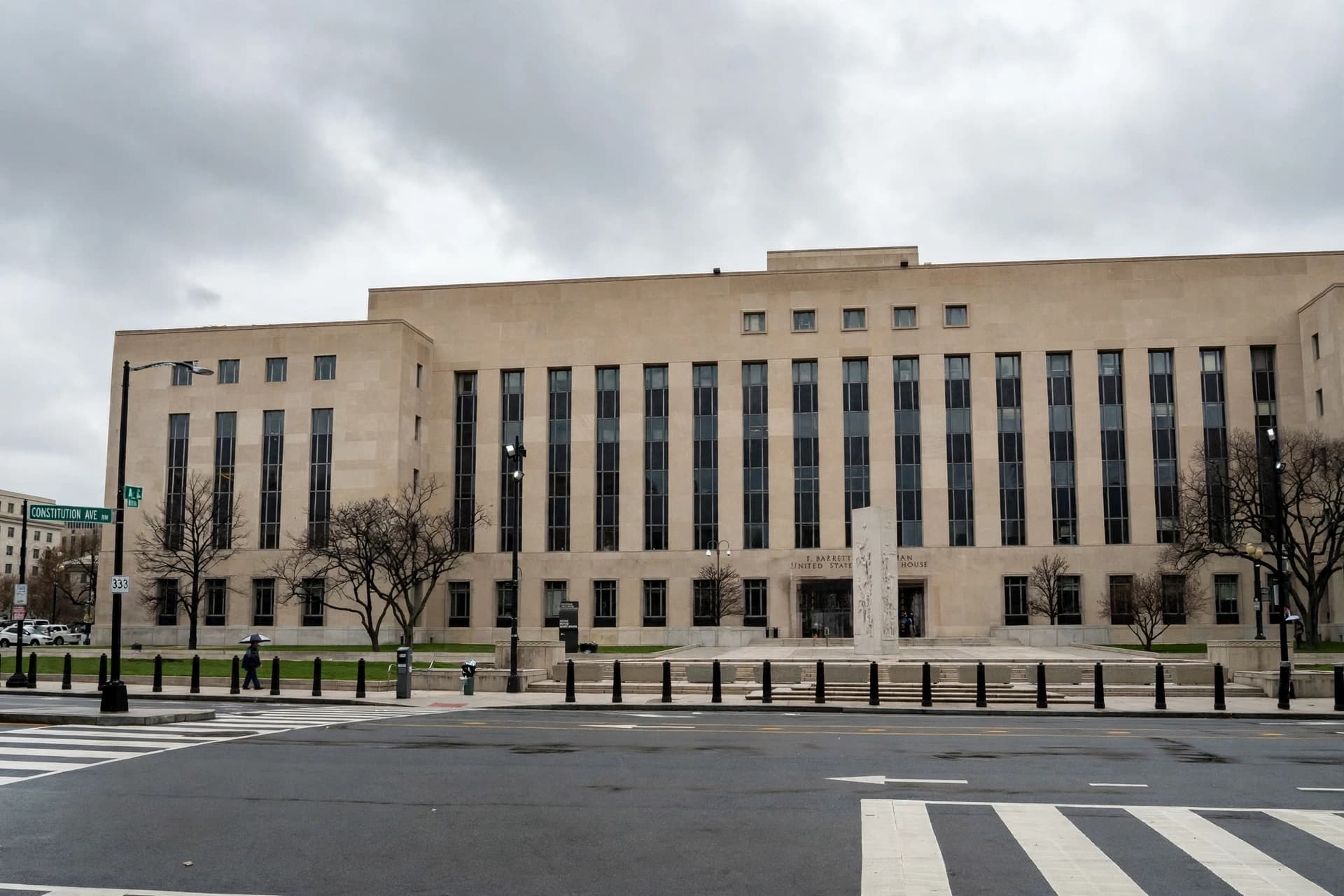
Disney's lawsuit, filed in August, argues that the FCC's actions amount to a retaliatory campaign designed to punish the network for airing content the administration dislikes. During Tuesday's hearing, Disney lawyer Beth Wilkinson told U.S. District Judge Loren AliKhan that ABC is operating under what she described as a "chilling effect," comparing the network's situation to living under a guillotine during the French Revolution .
"Our concern is that we are chilled. We are making different editorial decisions," Wilkinson said. "We are watching everything that we do because every time we do something—even not broadcasting this presidential speech—brings out the anger in the administration and the retaliation from the agency" . She was referring to ABC's decision not to carry a live broadcast of a July 16 speech in which Trump revived his attacks on election security .
The administration's lawyer, Dimitar Georgiev-Remmel, dismissed the guillotine comparison as misplaced, arguing that Disney would retain its licenses through the administrative process and judicial review. He characterized the dispute as a disagreement over document production—Disney's failure to respond quickly to an FCC investigation into its diversity practices .
Judge AliKhan appeared skeptical of that framing. "I imagine we have a lot of discovery disputes with a lot of your licensees," she told the government's lawyer. "So what is it that made this so different that you needed to call for an early license renewal?" .
The FCC is also investigating ABC's daytime talk show "The View" over equal-time rules. Disney noted that since February, the program has not invited any political candidates to appear, citing what it called the FCC's "pressure campaign" .
The case poses a fundamental question about the boundaries of regulatory authority: whether an agency tasked with overseeing the public airwaves can use that authority to influence the editorial choices of broadcasters. For Disney, the answer is clear. For the administration, the review is a matter of routine oversight. For the judge, the decision now rests on whether the evidence shows retaliation or merely the ordinary exercise of regulatory discretion.
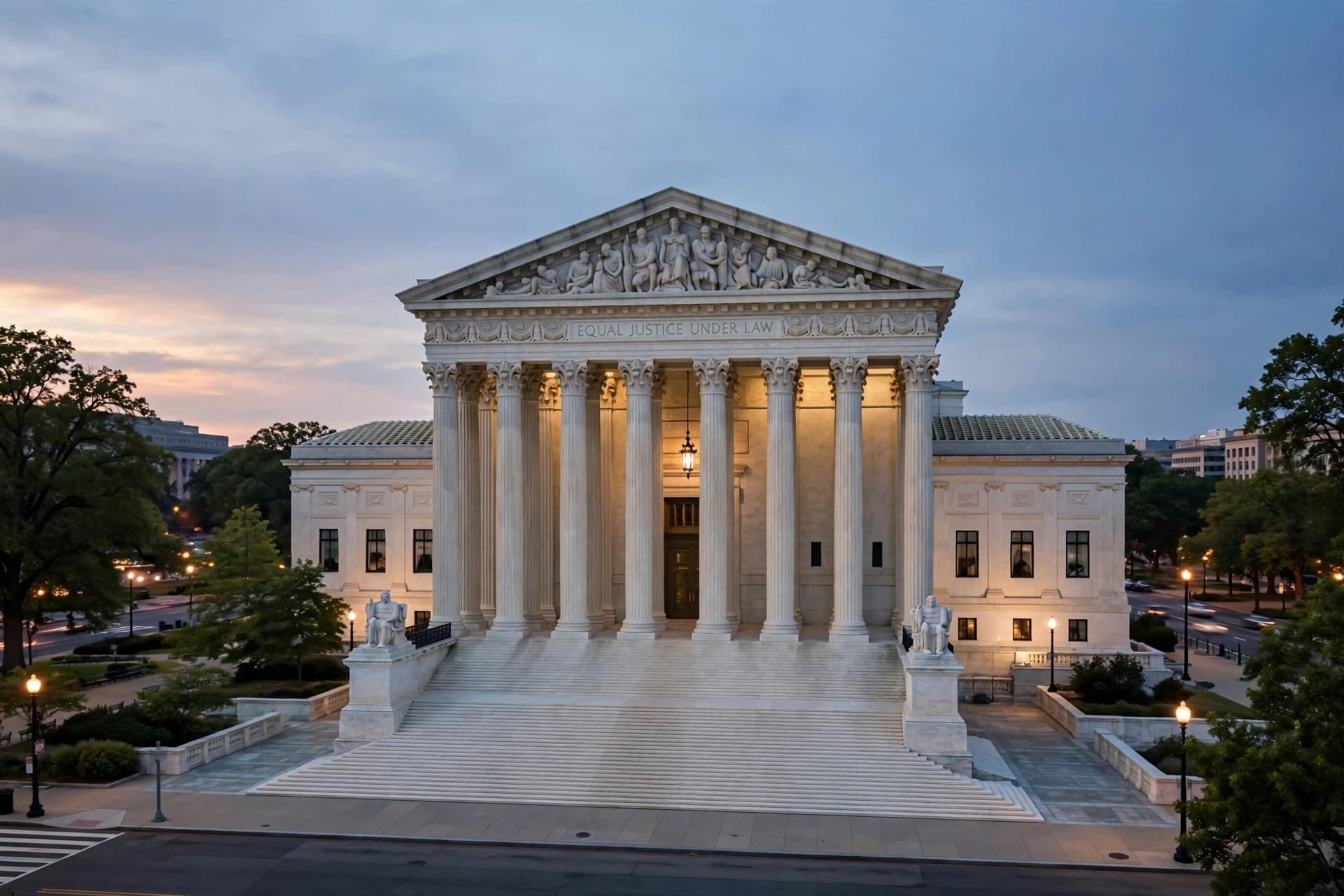
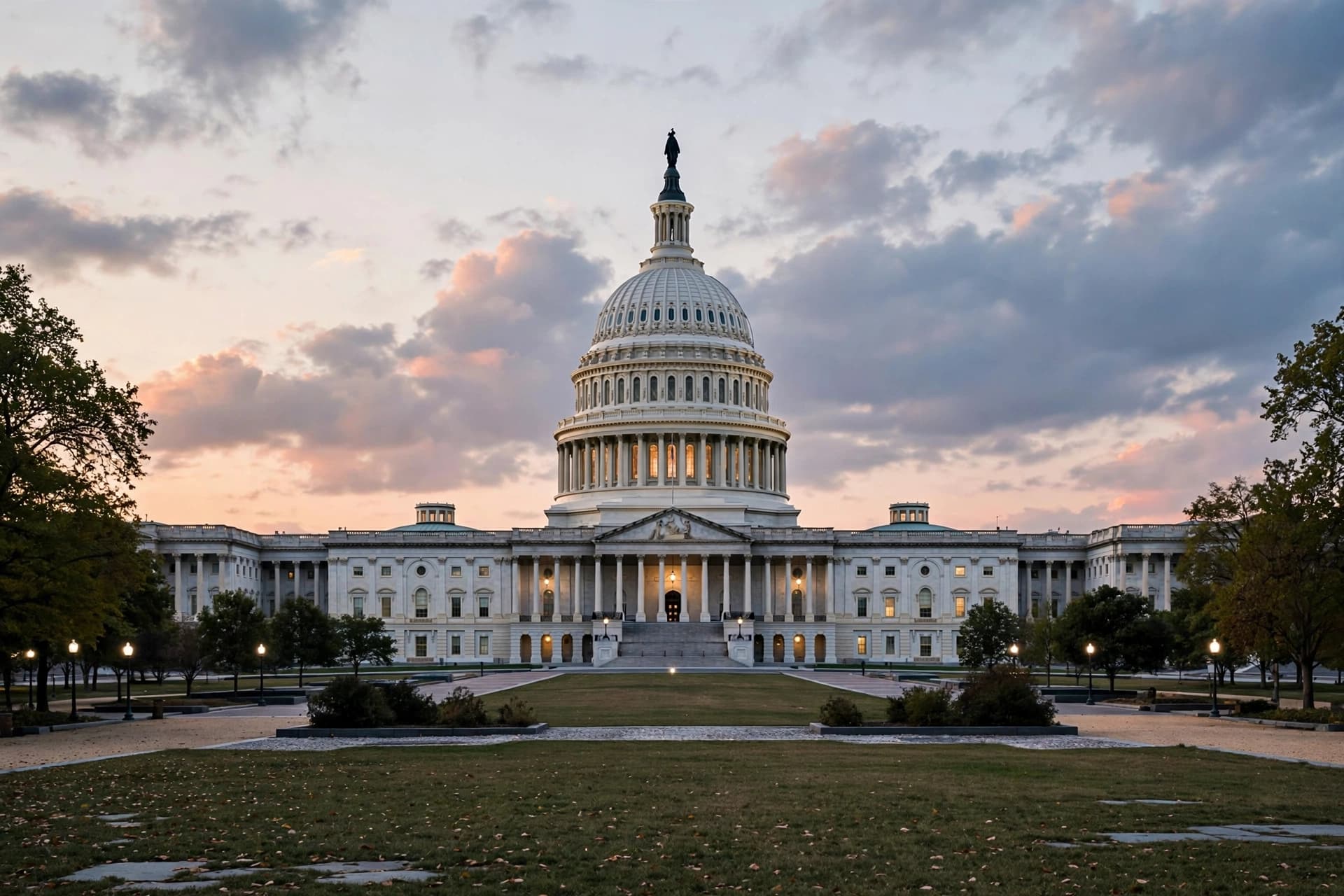
AI Image Disclaimer: The images accompanying this article are generated by artificial intelligence and are illustrative in nature.
Sources: The Guardian, HuffPost, USA Today, Reuters, Los Angeles Times, The Mirror US
Published by Banx Network. This article is part of the Banx decentralized media programme, powered by the BXE token on the XRP Ledger.