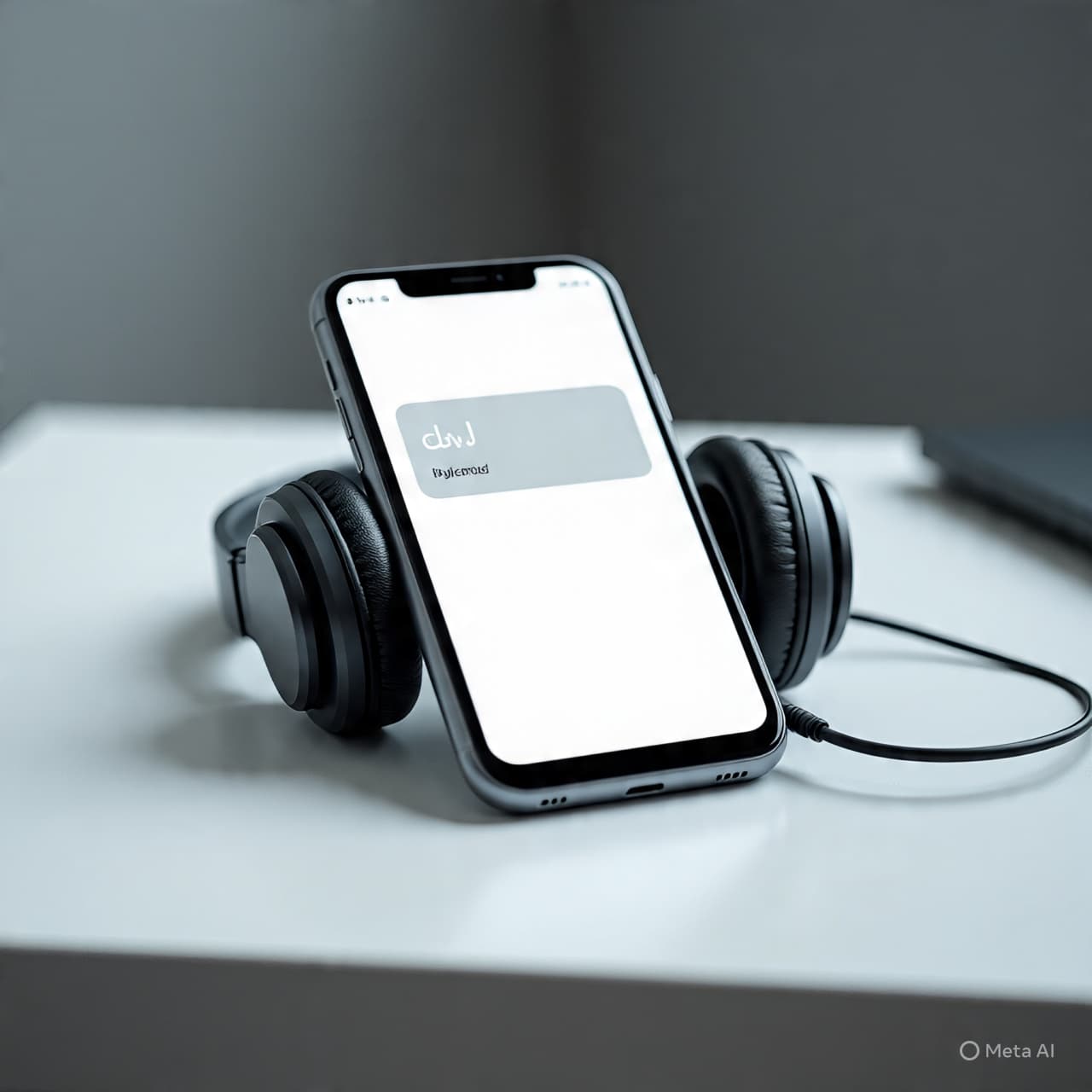
The world has always leaned closer when it tries to understand itself. From travelers bending over phrasebooks to families speaking in gestures across dining tables, language has long been both a bridge and a quiet barrier. Now, as technology slips gently into our ears, Google appears to be asking a softer question: what if understanding no longer required preparation, only presence?
Google’s latest expansion of real-time translation suggests a subtle shift in how conversations may unfold. Rather than confining live translation to specialized devices, the company is extending this capability to virtually any pair of headphones connected to Android phones. The idea is not loud or disruptive. It arrives calmly, like a whisper that says language differences do not need to interrupt human connection.
Through updates to Google Translate and Android system features, spoken words can now be translated and heard almost instantly through ordinary earbuds. A sentence spoken in one language can flow into another with only a brief pause, preserving the rhythm of conversation rather than breaking it. In practice, this allows users to speak naturally, while their listener hears meaning rather than mystery.
What makes this development notable is not only the technology itself, but its accessibility. By removing the need for specialized hardware, Google lowers the threshold for cross-language communication. Everyday headphones become quiet companions in international travel, multicultural workplaces, or spontaneous conversations between strangers who might otherwise smile politely and move on.
The feature does not claim perfection. Translation still depends on clarity, context, and connectivity. Accents, idioms, and emotional nuance can drift slightly in transit. Yet even with these limitations, the direction is clear. Google is positioning translation not as a tool you activate, but as a background presence—available when needed, invisible when not.
Privacy and data considerations remain part of the conversation, though Google frames the experience as user-controlled, activated deliberately rather than always listening. The balance between convenience and caution is one the company continues to navigate carefully, aware that trust matters as much as innovation.
As more languages and refinements are expected over time, the broader implication feels less about technology and more about habit. If understanding becomes easier, hesitation may fade. Conversations may begin where silence once stood.
In simple terms, Google is not announcing the end of language barriers. Instead, it is gently thinning them, thread by thread, until they feel less like walls and more like curtains—still present, but easier to draw aside.
AI Image Disclaimer (Rotated Wording)
Visuals accompanying this article are AI-generated illustrations created for representational purposes and are not actual photographs.
Sources
Google Blog The Verge TechCrunch Engadget Android Authority
Published by Banx Network. This article is part of the Banx decentralized media programme, powered by the BXE token on the XRP Ledger.