There is a particular dissonance that arrives when the ordinary artifacts of pop culture surface in the context of an alleged atrocity, a song meant for dancing or heartbreak suddenly threaded through a narrative of violence and concealment. In the New South Wales Supreme Court this week, the trial of Beau Lamarre-Condon, the former police officer accused of murdering Jesse Baird and Luke Davies, heard testimony that such a song—Taylor Swift's "No Body, No Crime"—was played in a van as the accused allegedly drove toward a farm where he attempted to dispose of the bodies.
The witness, a childhood friend of Lamarre-Condon known by the pseudonym Elizabeth Kennedy, told the court she believed she was going to lunch when he picked her up in a white van on February 21, 2024, two days after the men were allegedly shot with a police service weapon at Baird's Paddington home . She described a van that smelled of lemon, like it had just been cleaned, with a blue tarp in the back. The windows were open and the air conditioning was on full blast, making the vehicle freezing. She said Lamarre-Condon seemed "bubbly," talking about Swift, who was touring Australia at the time, and a Europe trip they were planning .
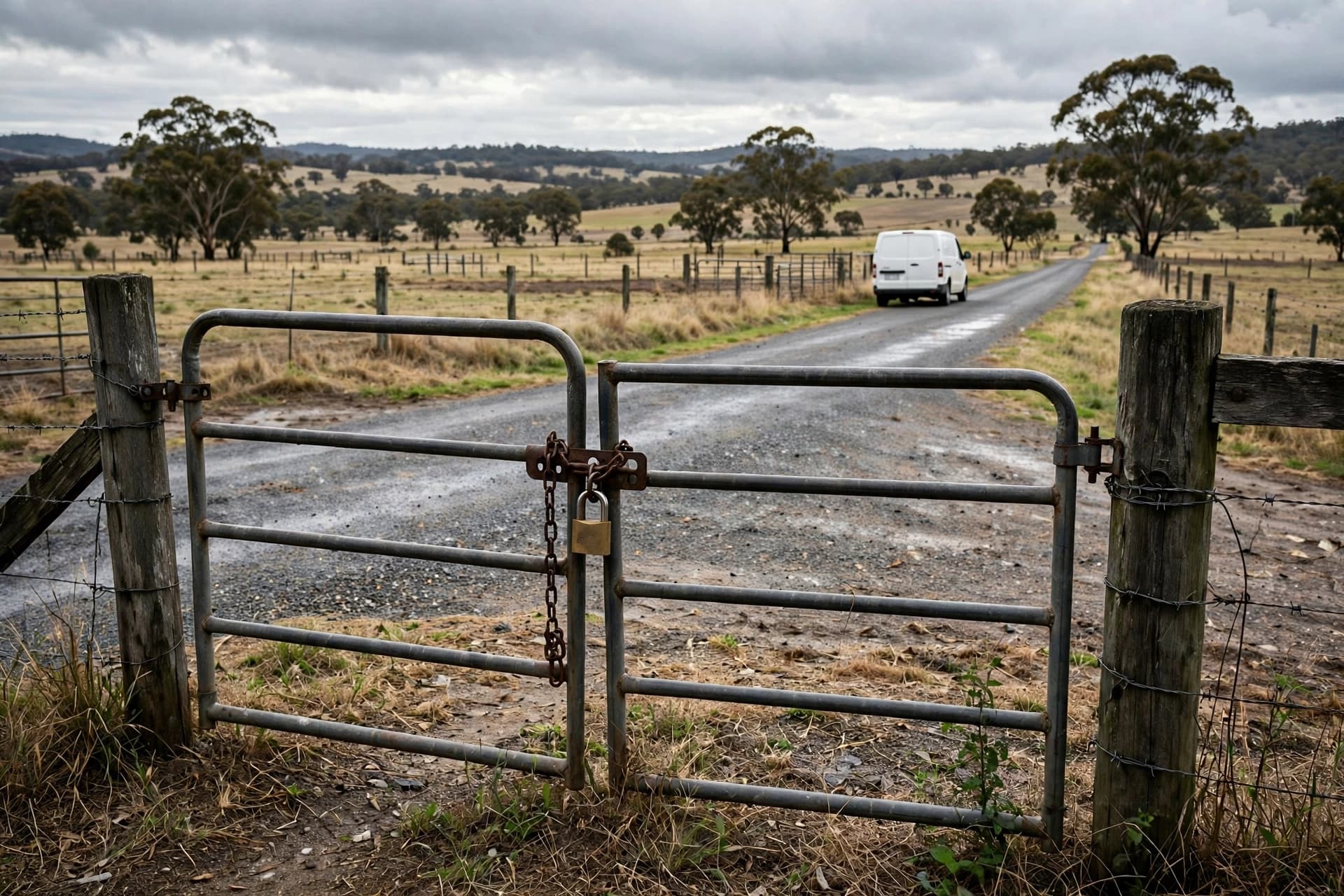
The drive stretched from what she thought would be a short outing into a two-hour journey to Goulburn and Bungonia, about 150 kilometers away. At Bunnings in Goulburn, she said Lamarre-Condon asked her to pay for an angle grinder and a padlock because he had no cash. They then drove to Cella Farm, where he asked her to cover the van's number plates with garbage bags. She refused, and he did it himself. He cut the padlock off the gate, cutting his hand in the process, and told her to wait and not turn on her phone. He drove out of sight behind the house, toward the dam, and was gone for thirty or forty minutes .
The dispute over the song is central to the competing narratives. Lamarre-Condon's barrister, John Stratton SC, suggested to Kennedy that she was the one who referenced the Swift song, that she had said "this is like a Taylor Swift song, No Body, No Crime" before playing it in the car. Kennedy denied this. "He was the one that put that song on in the car," she told the court. "It's a very niche song." She said she asked him how he knew it, and he said it was from the album evermore. She tried to play other songs from the album, and he did not know any of them, which struck her as strange . The defence has suggested Kennedy willingly participated in the cleanup, a claim she rejected, telling the jury that Lamarre-Condon "never showed any remorse or shed a tear" .
For the families of Jesse Baird and Luke Davies, the trial is a process of listening to these details accumulate, each one a fragment of a story they did not choose to be part of. The song, the angle grinder, the freezing van with its windows down—these are the ordinary textures of an alleged extraordinary cruelty. The trial continues.
AI Image Disclaimer: The visuals accompanying this article are generated by artificial intelligence and are intended for illustrative purposes only.
Sources: The Guardian, Nine, The Nightly
Published by Banx Network. This article is part of the Banx decentralized media programme, powered by the BXE token on the XRP Ledger.