As the Central African Republic moves toward its next national election, the country stands at a familiar crossroads — one where the promise of democratic choice collides with the realities of insecurity, political consolidation, and fragile institutions.
The vote comes at a time when President Faustin-Archange Touadéra and his ruling coalition maintain a firm grip on power, bolstered by constitutional changes that have reshaped the political landscape. Those amendments, approved through a controversial referendum, allow the president to seek extended rule and have redrawn the boundaries of executive authority. Supporters describe the changes as a step toward stability. Critics view them as a narrowing of democratic space.
Several opposition figures remain sidelined, either barred from running, living in exile, or constrained by legal and security pressures. While some parties continue to participate in the electoral process, the political field is widely seen as uneven. For many voters, the choice on the ballot may feel less like a contest of ideas and more like a confirmation of an already determined path.
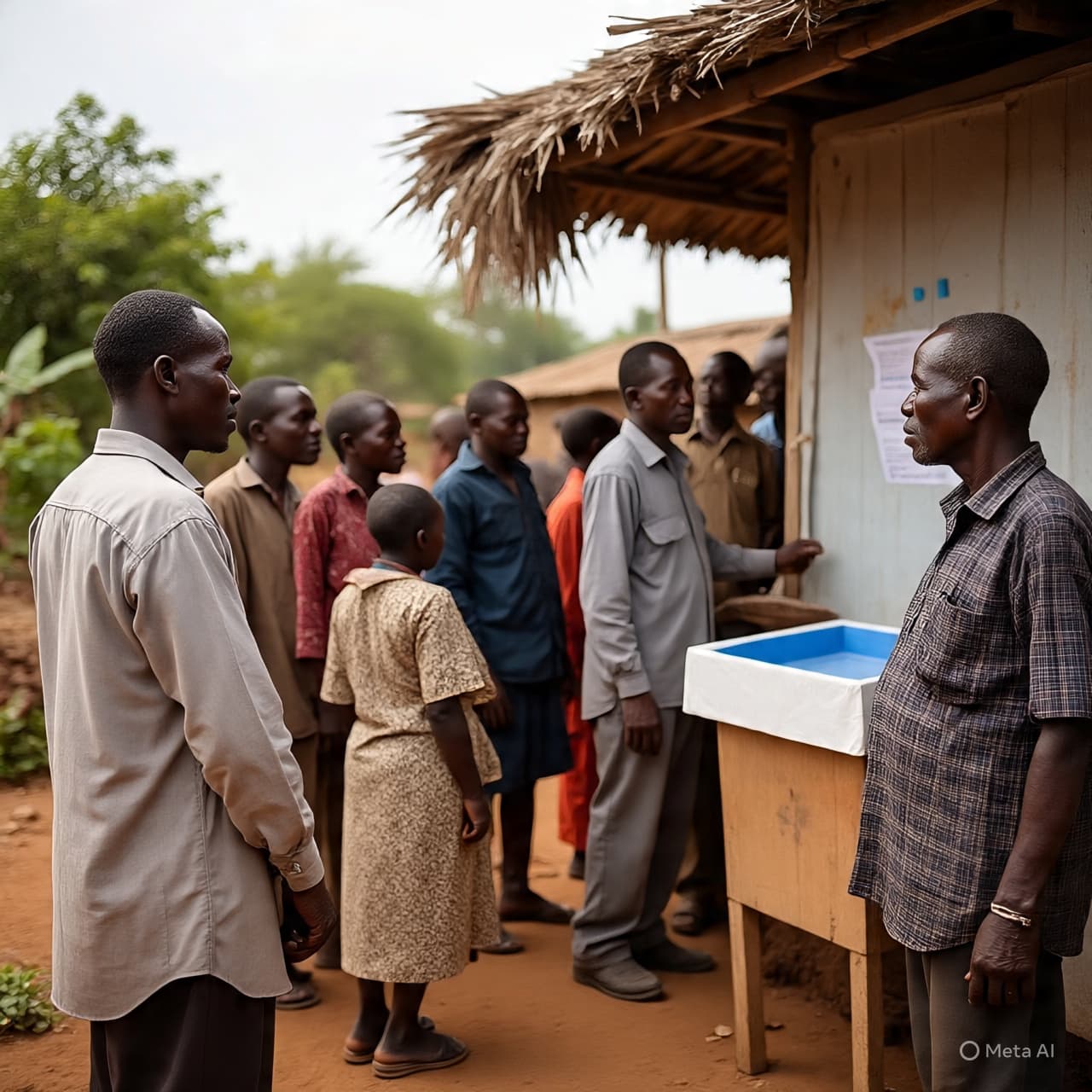
Security remains a defining factor. Despite gains claimed by the government and its allies, large parts of the country remain vulnerable to armed groups. In rural areas, access to polling stations is uncertain, raising concerns about voter participation and the credibility of turnout figures. The presence of foreign security partners has helped stabilize key zones but has also sparked debate over sovereignty and long-term dependence.
International observers have voiced cautious concern. While acknowledging improvements in administrative capacity, they continue to question whether conditions exist for a genuinely competitive and transparent election. Civil society groups echo these concerns, warning that limited political space risks deepening public disengagement rather than restoring trust.
For ordinary citizens, the election arrives less as a moment of celebration than as a test of endurance. Years of conflict have left deep scars, and expectations are tempered by lived experience. Many voters express a desire not for sweeping promises, but for basic security, functioning institutions, and a sense that their voices still matter.
As ballots are prepared and campaigns unfold, the Central African Republic once again confronts a familiar question: whether an election can serve as a step toward lasting stability, or whether it will merely reaffirm an uneasy status quo.
Published by Banx Network. This article is part of the Banx decentralized media programme, powered by the BXE token on the XRP Ledger.

.jpg&w=3840&q=75 "Zelensky Warns China Is Helping Russia Develop a Starlink Rival")