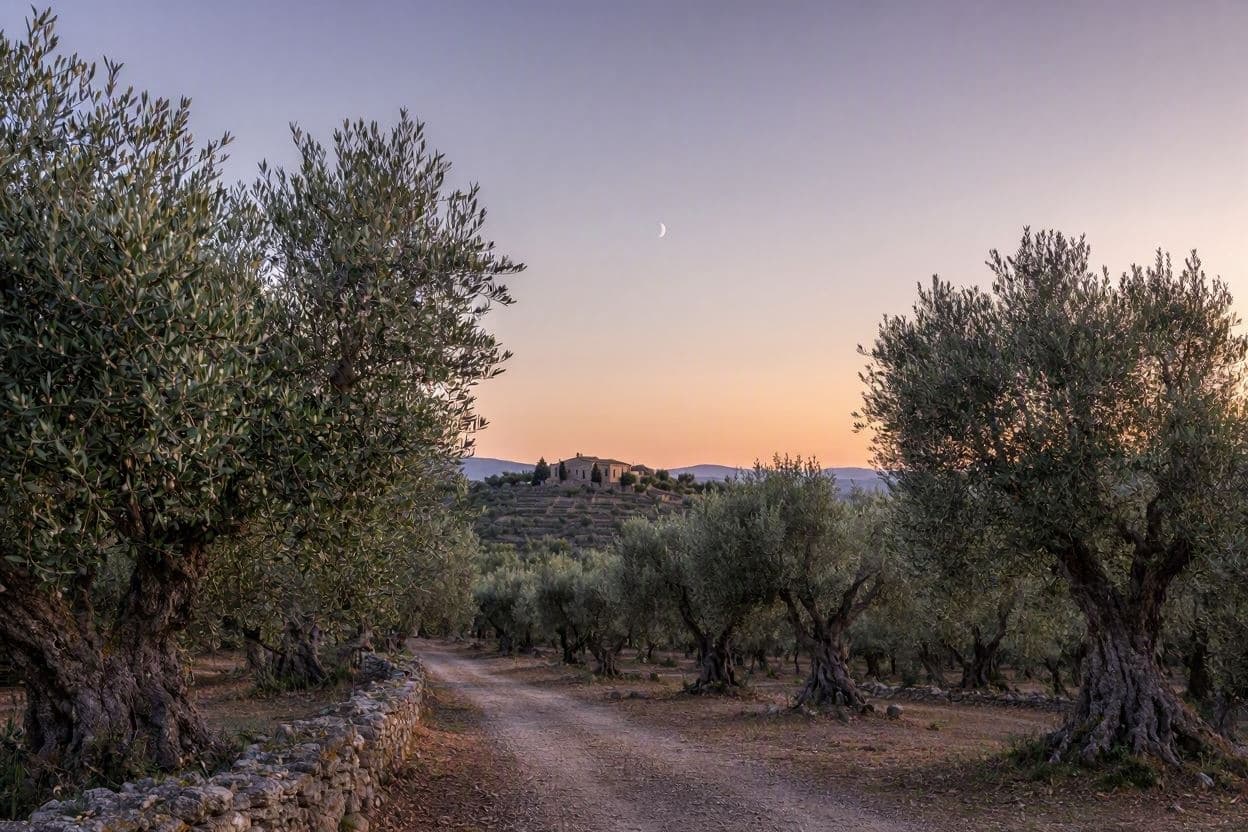
In the rolling hills of the West Bank, where olive trees have stood for generations, a shadow of violence has once again fallen. Reports indicate that Palestinian teenagers lost their lives during an attack by settlers in a village, a tragedy that deepens the wounds of a long-standing conflict. Such incidents are not isolated events but part of a complex web of tension, fear, and historical grievance. The loss of young lives invites a somber reflection on the human cost of unresolved political struggles.
The details of the incident, as reported by local officials, describe a sudden escalation of hostility that turned deadly. Settlers, living in communities established in disputed territories, and Palestinian villagers often find themselves in close proximity, separated by fragile lines of security and law. When these lines break, the consequences can be swift and severe. The deaths of the teens have sparked outrage and calls for accountability from Palestinian authorities and international observers.
Settler violence has been a growing concern in recent years, with reports of assaults, property damage, and harassment increasing. These actions are often condemned by Israeli leadership, yet enforcement remains a challenging task in the fragmented legal landscape of the West Bank. For the Palestinian community, each incident reinforces a sense of vulnerability and injustice. The fear of such attacks affects daily life, restricting movement and access to land.
The international community has repeatedly called for restraint and protection of civilians on both sides. Human rights organizations monitor these events closely, documenting patterns of violence and advocating for legal recourse. However, the cycle of retaliation and counter-retaliation often complicates efforts to establish peace. The killing of the teens serves as a stark reminder of the urgent need for effective mechanisms to prevent such tragedies.
Local leaders on both sides face immense pressure to respond. Palestinian officials demand justice and protection, while Israeli authorities must balance security concerns with the rule of law. The political implications of such events ripple through negotiations and public opinion, hardening positions and making compromise more difficult. Yet, amidst the anger, there are voices calling for dialogue and coexistence.
The families of the victims are left to grapple with an unimaginable loss. Their grief is compounded by the knowledge that their loved ones were caught in a broader conflict beyond their control. Community support networks mobilize to provide comfort, but the emotional scars run deep. The story of these teens is a personal tragedy embedded in a larger historical narrative.
Efforts to de-escalate tensions continue, with various NGOs and international bodies working to build bridges between communities. Initiatives focused on youth engagement and economic cooperation offer hope for a different future. However, until the underlying political issues are addressed, the risk of violence remains. The death of the teenagers is a call to action for all parties involved.
The killing of Palestinian teens in a settler attack highlights the ongoing volatility in the West Bank, urging renewed efforts for civilian protection and conflict resolution.
AI Image Disclaimer: Please be aware that any visual accompaniments to this text are digitally generated illustrations intended for conceptual representation.
Sources: Al Jazeera Haaretz The New York Times BBC News
Published by Banx Network. This article is part of the Banx decentralized media programme, powered by the BXE token on the XRP Ledger.