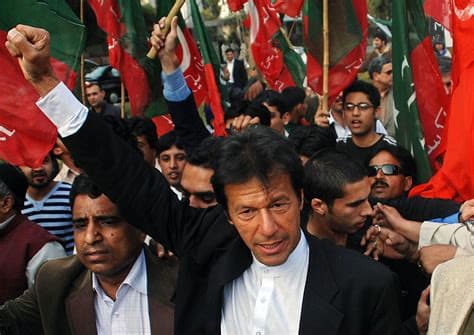
There are moments when the past refuses to remain archived, when long-buried chapters rise again with the weight of unfinished questions. The ruling by an international tribunal against a former Prime Minister of Bangladesh carries exactly that kind of echo — a heavy, quiet resonance that extends beyond political rivalry and into the realm of collective memory. The tribunal’s findings, centered on allegations of crimes against humanity, emerged after years of competing narratives. Supporters of the former leader insist the process was politically tinged, shaped by shifting alliances and a bitter national divide. But the judges, operating outside the immediate pressures of Dhaka’s political climate, presented their decision as an effort to untangle fact from fear, testimony from myth, and suffering from propaganda. The tribunal’s work confronted complex terrain: periods of civil unrest, allegations of extrajudicial actions, and human rights violations that many families in Bangladesh still speak of in hushed tones. For some, the verdict offers long-delayed acknowledgment. For others, it deepens anxieties about selective justice, wondering whether accountability delivered across borders can ever separate law from geopolitics. Yet the ruling carries symbolic weight beyond legal documents. Bangladesh has wrestled for decades with defining its post-independence identity — a negotiation between democracy, memory, and the unresolved wounds of political conflict. The tribunal’s conclusions reopen these tensions, pressing the nation to confront whether reconciliation can occur without shared acceptance of the past
Internationally, the outcome introduces a new dimension to the conversation about global accountability. At a time when political leaders increasingly move across borders, so too does the legal framework that seeks to evaluate their actions. The tribunal’s message is clear: geography may shape politics, but moral inquiry can sometimes reach further. Still, what lies ahead for Bangladesh is less about a courtroom and more about the fragile work of rebuilding trust. The verdict, however significant, is only an invitation — one that calls the country to reckon with its own history, its divisions, and the hopeful possibility that truth, even when painful, can become a path to stability rather than discord.
This article is based on reporting from major international news organizations and South Asian regional media.
Published by Banx Network. This article is part of the Banx decentralized media programme, powered by the BXE token on the XRP Ledger.