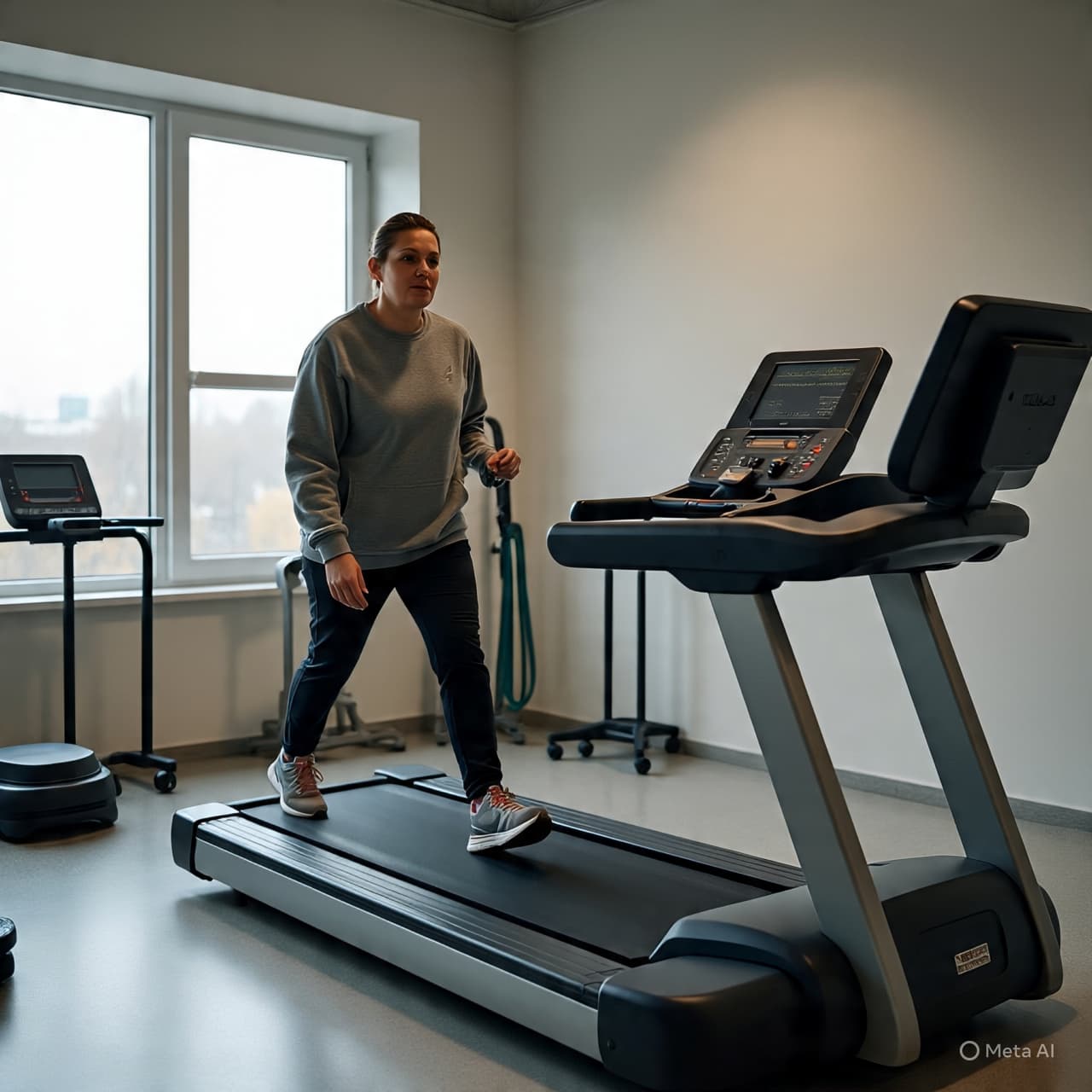
There is a certain comfort in familiar prescriptions. Move more. Stretch gently. Strengthen what aches. For years, exercise has been offered to people with osteoarthritis not simply as advice, but as reassurance — a steady lantern in the dim corridor of chronic joint pain. The promise has been modest yet hopeful: movement may not cure, but it may soften the burden.
Now, a growing body of research is asking that promise to stand under brighter light.
A recent review examining multiple clinical trials has questioned how strong and durable the benefits of exercise truly are for osteoarthritis. While many studies show that physical activity can reduce pain and improve joint function, the overall evidence, when pooled together, appears less definitive than once assumed. Researchers describe the benefits as generally small and, in some cases, short-lived.
Osteoarthritis, the most common form of arthritis, gradually wears down cartilage in joints such as the knees and hips. It affects millions of adults, particularly older populations, and often limits daily mobility. Clinical guidelines have long recommended exercise as a first-line treatment, emphasizing strengthening exercises, low-impact aerobic activity, and flexibility training.
The review does not dismiss these recommendations outright. Rather, it suggests that the measurable impact of exercise may be more modest than widely believed. Across dozens of trials, improvements in pain and physical function were present but often minimal when compared with control groups. In longer-term follow-ups, the difference between those who exercised and those who did not sometimes narrowed further.
Researchers also pointed to variability in study design. Different exercise types, durations, and intensities make direct comparisons difficult. Some programs were supervised; others relied on home routines. Adherence rates varied. These differences, the authors note, contribute to uncertainty about how effective exercise truly is over extended periods.
Yet the conversation remains balanced. Even small reductions in pain can meaningfully improve quality of life. A slight increase in mobility may allow someone to shop independently, climb stairs with less hesitation, or enjoy a longer walk. Clinical impact does not always need to be dramatic to be meaningful.
Experts also highlight that exercise carries relatively low risk when performed appropriately. Unlike medications, it does not introduce systemic side effects. Unlike surgical interventions, it does not require invasive recovery. In that sense, its safety profile continues to support its inclusion in care plans, even if expectations are tempered.
The broader takeaway from the review is not that exercise fails, but that the strength of evidence may be less robust than previously portrayed. Researchers are calling for more standardized, longer-term studies to clarify which types of exercise offer the most consistent and sustained benefits.
For now, professional guidelines continue to recommend physical activity as part of osteoarthritis management. Health authorities emphasize tailoring programs to individual ability and combining exercise with other supportive measures such as weight management and physical therapy.
The question may not be whether exercise works at all, but how much it works — and for how long.
AI Image Disclaimer
Graphics are AI-generated and intended for representation, not reality.
Sources: Reuters The BMJ The Guardian CNN Health Medical News Today
Published by Banx Network. This article is part of the Banx decentralized media programme, powered by the BXE token on the XRP Ledger.