There is a particular kind of disquiet that comes from watching a forecast arrive ahead of schedule. In climate science, projections are often measured in decades—midcentury, end of century—distant horizons that allow for a certain emotional distance. But the Aleppo pine, a tree that has anchored Mediterranean landscapes for millennia, is offering a different kind of timeline. The changes researchers expected to see in the 2050s are already visible in the tree rings of today.
A new review published in Forest Ecology and Management tested whether the climate impacts projected for Aleppo pine in 2020 were unfolding as expected. The answer, across the Mediterranean basin, is that they are not merely unfolding—they are arriving faster . Coastal forests are losing growth more rapidly than inland ones. Range-edge populations in southern Spain and Israel are under severe pressure, with natural regeneration at the hyperarid Yatir Forest nearly collapsed. In eastern Spain, mortality reached up to 99 percent at the driest sites following an extreme drought year .
What makes these findings striking is not the direction of change but its pace. The 2020 projections anticipated mild to moderate declines in coastal regions, with relative stability inland. Recent tree-ring studies from Algeria, Italy, and Spain confirm that the declines expected decades from now are already measurable . Even core Mediterranean forests, previously thought to be buffered by more favorable conditions, are showing mortality rates of 26 to 44 percent in northeastern Spain—a mismatch that suggests extreme events like multiyear droughts are overwhelming the resilience that once seemed dependable .
The Aleppo pine is not a fragile species. It has thrived in dry, difficult places for thousands of years, its roots reaching deep into rocky soils, its needles adapted to harsh sun. That makes its decline a different kind of signal. When a drought-tolerant tree begins to fail, the question is not whether the climate is changing but whether the pace of change has outpaced the capacity to adapt. The answer, for many populations, appears to be yes.
The researchers are careful not to paint a picture of inevitable loss. Their review highlights management options that remain available: thinning to reduce competition for water, diversifying forest structure, and—perhaps most promising—the use of climate-adapted ecotypes. Provenance trials have shown that seed sources from regions already experiencing the climate expected at a target site can improve growth and survival. In eastern Spain, climate-adapted seeds increased height growth by up to 16 percent and diameter by up to 21 percent compared to local sources, which suffered substantial losses .
Assisted migration, the practice of planting trees from warmer, drier regions into areas that are becoming more like their home, remains controversial in some quarters. But for the Aleppo pine, the alternative may be watching populations decline while waiting for evolution to catch up to a climate that is moving faster than any tree can follow. The review’s authors frame this not as surrender but as a form of stewardship—a willingness to help forests navigate a transition that human activity has accelerated.
There is a quiet lesson in the Aleppo pine’s story. Climate change is often imagined as a future problem, a legacy we bequeath to children not yet born. The tree rings tell a different story. The future is already here, written in the narrow annual bands of trees that have stood for centuries, and the question is no longer whether we will need to adapt but how quickly we can learn to.
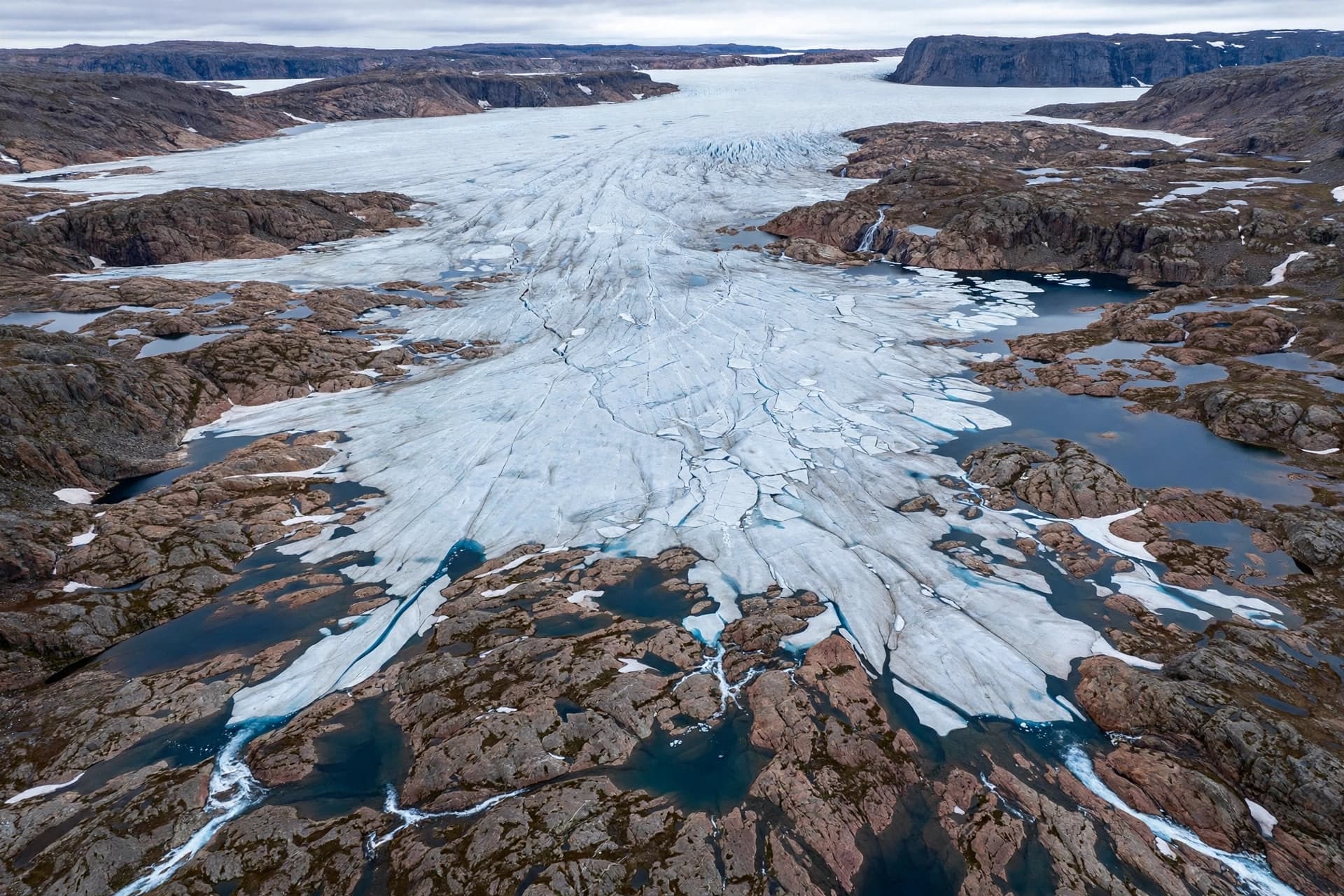
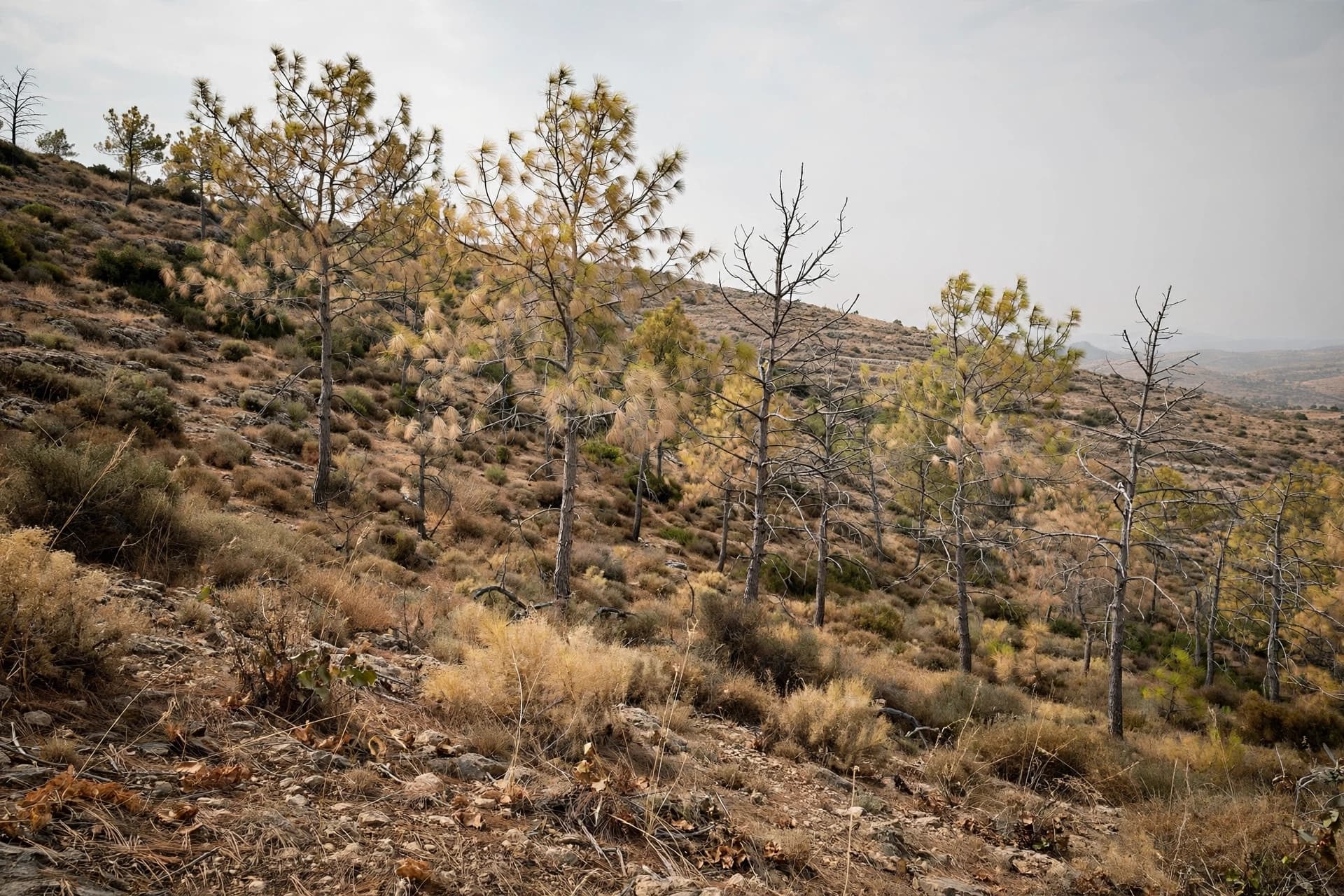
Image note: The visual accompanying this article is an AI-generated illustration and does not depict actual field research.
Sources: Phys.org, Forest Ecology and Management, New Phytologist
Published by Banx Network. This article is part of the Banx decentralized media programme, powered by the BXE token on the XRP Ledger.