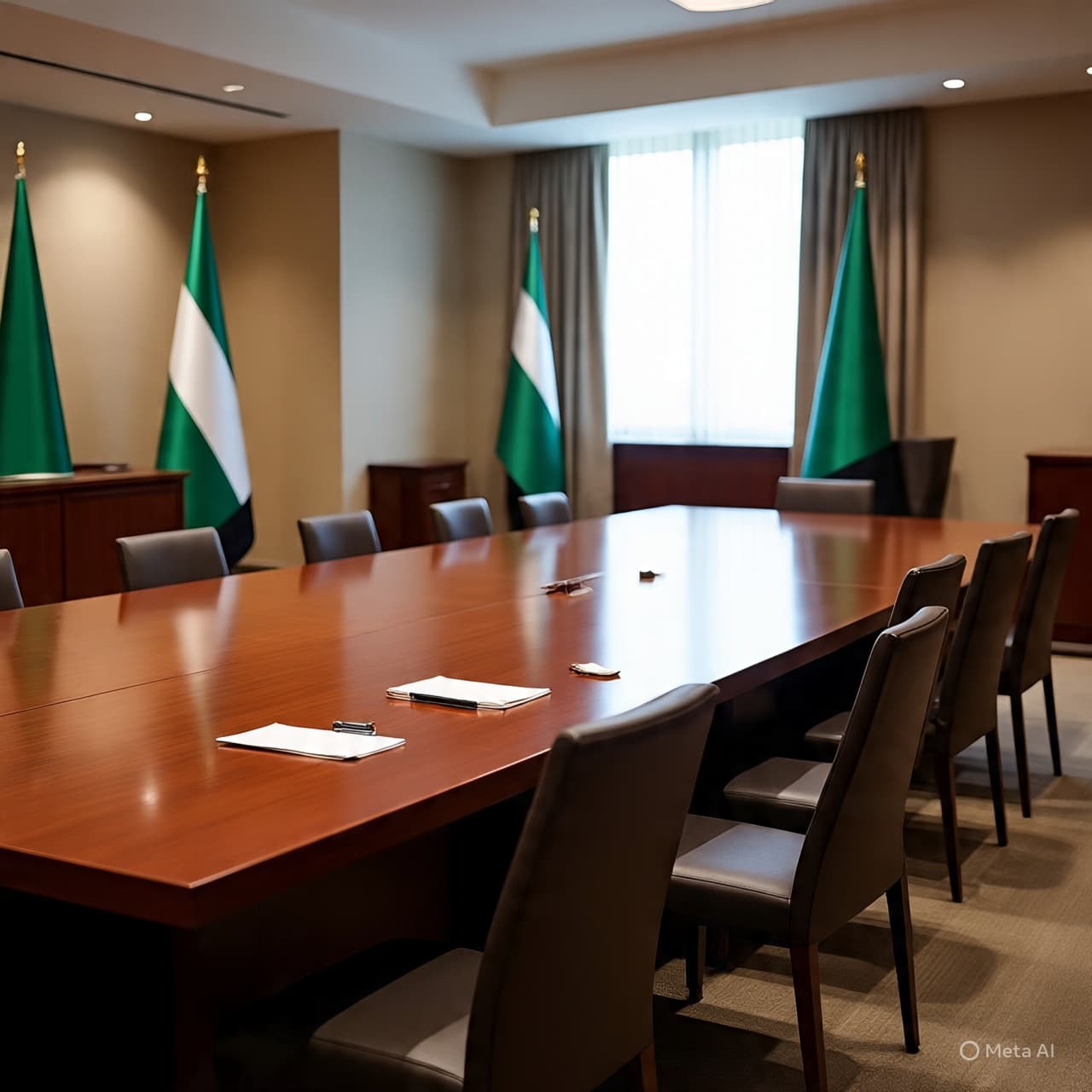
The message from Riyadh was measured, deliberate, and carefully timed. As fighting continues in parts of Yemen, Saudi Arabia has formally called on Yemeni factions to attend a dialogue in the Saudi capital — an effort to redirect rival ambitions from the battlefield to the negotiating table.
The invitation targets Yemen’s deeply divided political landscape, particularly factions in the south whose disputes have increasingly turned violent. Saudi officials framed the initiative as an inclusive process, aimed at gathering competing groups under one roof to discuss long-standing grievances and political demands that have resisted resolution for years.
For Yemen, dialogue has never lacked proposals. What it has lacked is space — space free from gunfire, shifting alliances, and external pressures that often overpower fragile agreements. Riyadh’s call appears designed to create that space, at least temporarily, by relocating talks away from contested territory and into a controlled diplomatic setting.
The timing reflects mounting concern over fragmentation. While Yemen’s broader war has settled into uneasy patterns, infighting among nominal allies has threatened to unravel remaining political structures. Southern factions, some pursuing greater autonomy or outright separation, have clashed with forces aligned with the internationally recognized leadership, further complicating any path forward.
Saudi Arabia’s role is both mediator and stakeholder. Years of involvement in Yemen’s conflict have left Riyadh with strong incentives to stabilize the situation, reduce internal rivalries, and prevent further regional spillover. By hosting talks, Saudi leaders are signaling a preference for political containment over military escalation.
Still, skepticism runs deep. Past dialogues have faltered under the weight of mistrust, unmet promises, and realities on the ground that moved faster than negotiations. Armed actors often arrive at talks with one eye on the battlefield, calculating leverage rather than compromise.
Yet even limited dialogue carries symbolic weight. It suggests that despite the persistence of violence, the language of negotiation has not been abandoned. For factions accustomed to asserting power through force, being summoned to Riyadh represents recognition — and pressure — in equal measure.
Whether the talks produce consensus or merely pause confrontation remains uncertain. What is clear is that Yemen’s future continues to oscillate between two impulses: the pull of conflict and the possibility, however narrow, of political reassembly.
In calling for dialogue, Saudi Arabia is testing whether Yemen’s factions are ready to choose conversation over confrontation — or whether the country’s divisions have already hardened beyond the reach of diplomacy.
Published by Banx Network. This article is part of the Banx decentralized media programme, powered by the BXE token on the XRP Ledger.