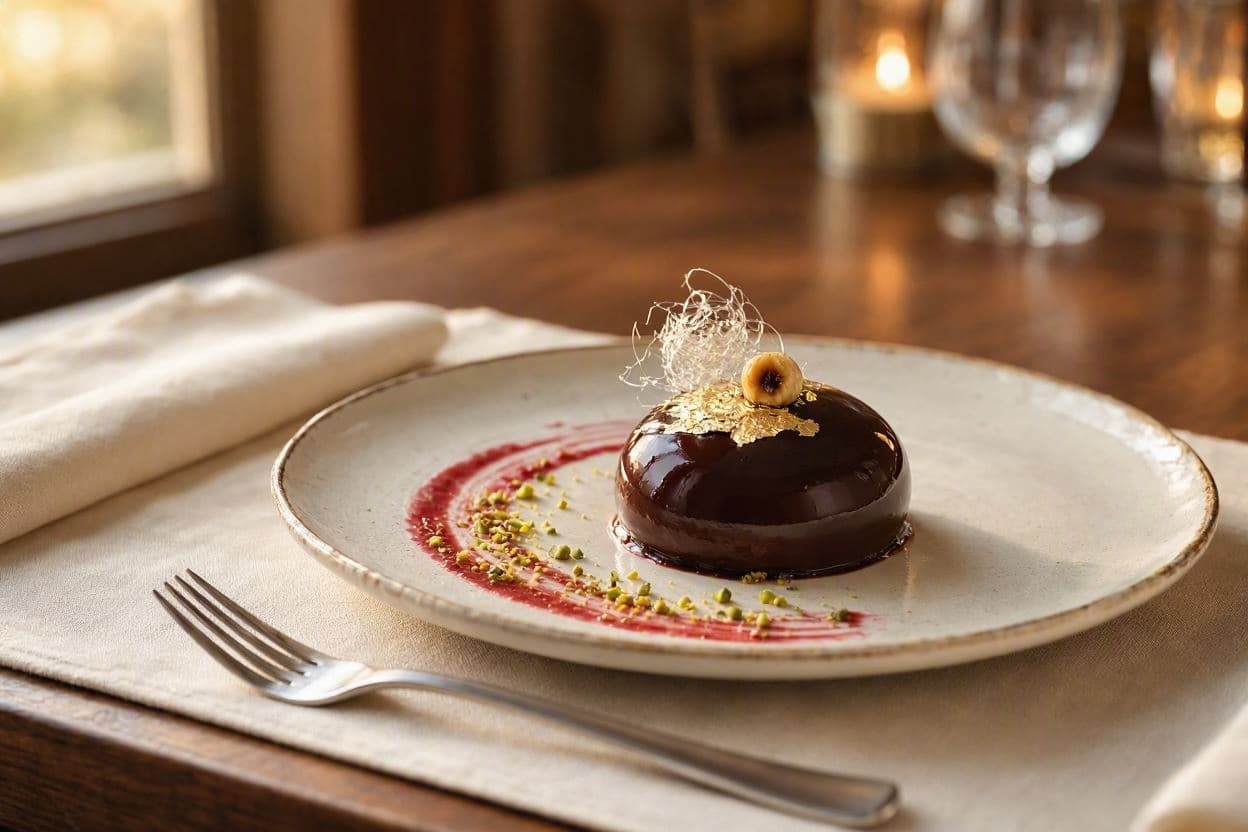
In the world of high cuisine, innovation often walks a fine line between creativity and regulation. For the owner of a two-Michelin-starred restaurant in Seoul, a decision to garnish a dessert with edible ants led to a legal battle that captured global attention. The case, which centered on food safety laws rather than culinary merit, has concluded with the chef avoiding jail time. This outcome offers a moment to reflect on the intersection of tradition, innovation, and the rigid frameworks that govern what we eat. It is a story of cultural expression meeting legal scrutiny, resolved with a measure of leniency.
The controversy began when prosecutors sought a one-year prison term and a significant fine for the chef, arguing that the use of dried ants violated food hygiene standards. The ants, while considered edible in many cultures and increasingly popular in sustainable gastronomy, were not officially approved for consumption in South Korea at the time. The charge was not about the taste or quality of the dish, but about adherence to regulatory lists. This technicality placed the chef in a precarious position, threatening his freedom and reputation for a culinary choice.
The legal proceedings highlighted the challenges faced by innovators in the food industry. As global tastes evolve and sustainability becomes a priority, chefs often experiment with unconventional ingredients. However, local laws may lag behind these trends, creating potential pitfalls for those who push boundaries. The case served as a test of how the legal system interprets such innovations, balancing public safety with the freedom of culinary expression. It raised questions about whether regulations should adapt to accommodate new dietary practices.
Public reaction to the case was mixed, with many supporting the chef’s right to innovate. Critics argued that the punishment was disproportionate to the offense, viewing it as an overreach of regulatory power. Supporters of the law emphasized the importance of strict food safety standards to protect consumers. This debate reflected broader societal tensions between tradition and modernity, and between individual creativity and collective security. It was a dialogue that extended beyond the courtroom into the dining rooms and homes of many.
Ultimately, the court decided against imposing a prison sentence, opting instead for a fine. This decision was seen by many as a recognition of the chef’s intent and the low risk posed by the ingredient. It suggested a willingness to consider context and intent in legal judgments, rather than applying rules rigidly. The avoidance of jail time allowed the chef to continue his work, albeit with a clearer understanding of the legal landscape. It was a resolution that favored rehabilitation over retribution.
For the culinary community, the outcome provides a cautious sense of relief. It signals that while regulations must be respected, there is room for interpretation and mercy. Chefs may feel more empowered to explore new ingredients, provided they remain mindful of legal constraints. The case also encourages policymakers to review and update food safety lists to reflect contemporary practices. It is a step toward a more flexible and inclusive regulatory environment.
The incident also sheds light on the global trend of entomophagy, or eating insects. As a sustainable protein source, insects are gaining acceptance in various parts of the world. South Korea’s experience with this case may influence how other countries approach similar issues. It highlights the need for international dialogue on food standards and the sharing of best practices. The conversation is no longer just about taste, but about sustainability and legal harmonization.
The resolution of the "ants on a plate" case marks a gentle turning point in the relationship between culinary innovation and legal regulation. It reminds us that progress often requires negotiation and understanding. As the chef continues to create, the community watches with interest, hopeful that future endeavors will be met with both curiosity and support. It is a small but significant victory for creative freedom, tempered by the responsibility to adhere to safety standards.
AI Image Disclaimer: Images accompanying this article are AI-generated artistic interpretations created for illustrative purposes and do not represent actual photographs of the restaurant or the dish in question.
Sources: CNN The Guardian BBC News Yonhap News Agency
Published by Banx Network. This article is part of the Banx decentralized media programme, powered by the BXE token on the XRP Ledger.