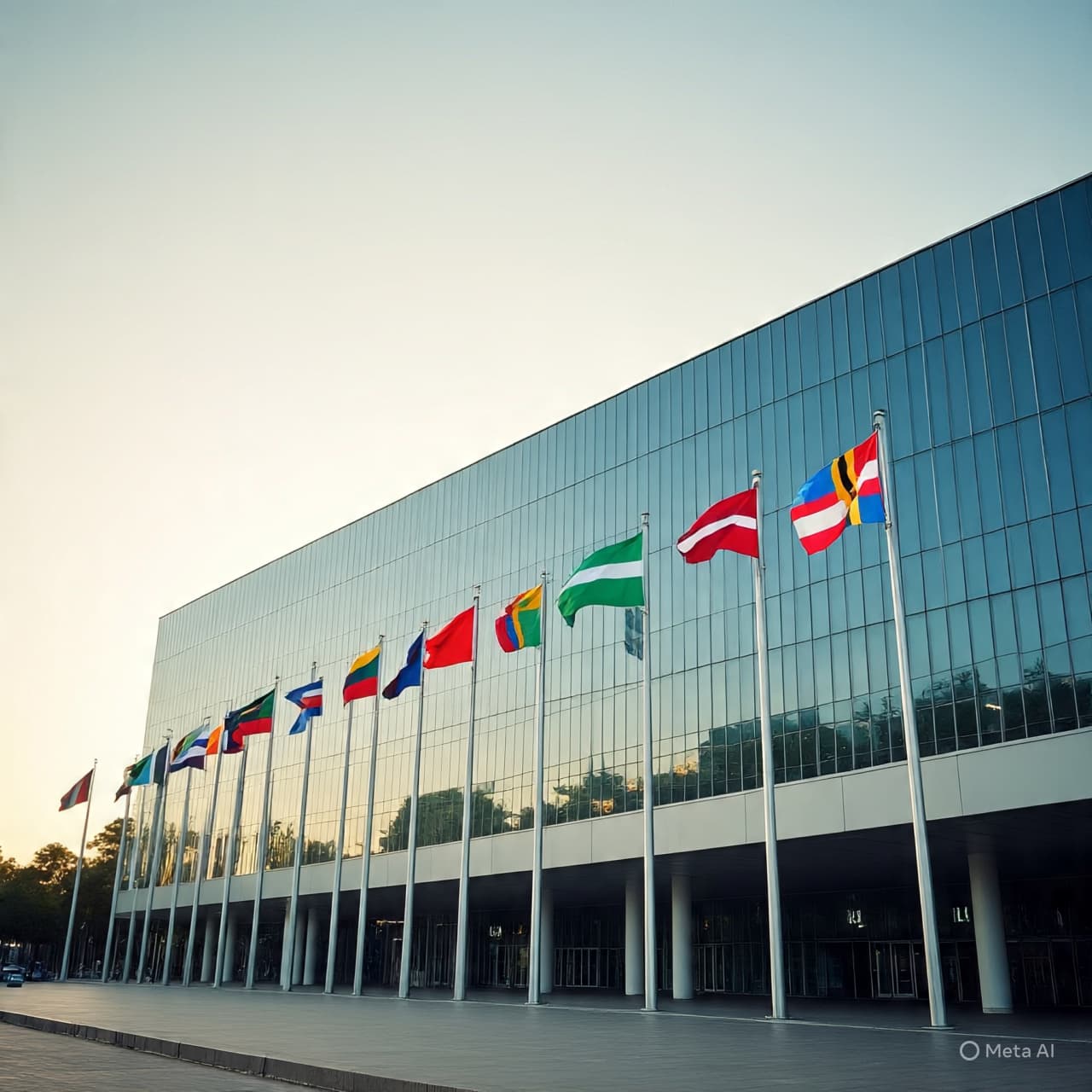
There are gatherings meant to signal unity, even when the world feels anything but unified. The G20 summit in South Africa became one of those scenes — a meeting framed by global uncertainty, sharpened by disagreements, yet still determined to produce a common statement. And it did, though not without the unmistakable imprint of absence.
The United States chose to sit out the final adoption of the summit declaration, citing policy differences that had simmered throughout the sessions. The silence of a major power left a noticeable echo, but the remaining members pressed ahead, approving the negotiated document after hours of revisions and diplomatic recalibration. It was a quiet reminder that multilateralism is often less a grand performance and more a careful balancing act carried out by people accustomed to the weight of compromise.
South Africa, as host, carried the responsibility of shepherding the group through a landscape shaped by competing interests — rising economic anxieties, disagreements on trade pathways, and a broader unease about how global governance should evolve. Officials described the declaration as a necessary map through a turbulent year: modest in tone, realistic in scope, and grounded in the recognition that cooperation still matters, even when unanimity cannot be guaranteed.
The boycott underscored long-standing tensions within the G20, where differing geopolitical priorities frequently collide. Yet the decision by other members to proceed signaled something else: the world’s willingness to keep negotiating, even when key players temporarily step back. The declaration touched on global financial stability, sustainable development, and a cautious call for collective action on emerging challenges — each point shaped not by perfect agreement but by an acknowledgment that global issues do not pause for political hesitation.
Observers noted that the moment encapsulated a broader truth about international forums. Cooperation is no longer a single chorus but a collage of voices, some louder than others, some stepping forward while others momentarily retreat. The work continues regardless, shaped by those willing to remain at the table.
As the summit drew to a close, South Africa emphasized that the declaration’s adoption, even with a notable absence, reflected the resilience of dialogue. The pages signed in Johannesburg may not transform the global order, but they keep the machinery of diplomacy turning — a reminder that progress sometimes survives on the thinnest threads of consensus.
In the end, the G20’s message was simple: discussions must continue, with or without every voice present. And in a season defined by geopolitical strain, even that was a statement worth noting.
Published by Banx Network. This article is part of the Banx decentralized media programme, powered by the BXE token on the XRP Ledger.