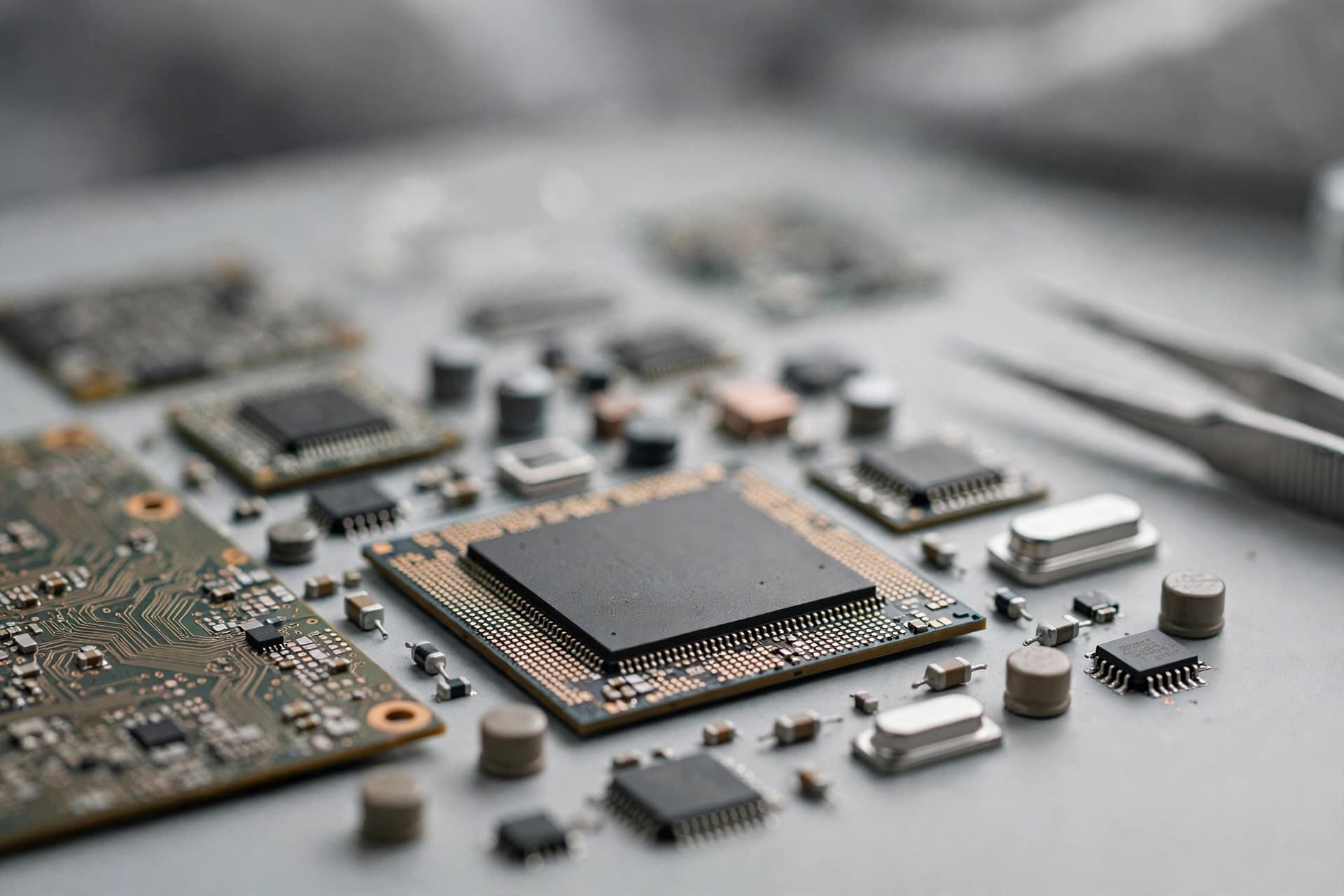
There are moments in technology that resemble the slow opening of a flower at dawn—unassuming yet full of quiet promise. Such is the scene this week as Huawei Technologies unveiled hints of its latest achievement: a flagship handset powered by a China-made chip that shows modest yet meaningful progress toward technological self-reliance. In an industry driven by precision measured in nanometres, this small step reflects a larger narrative about innovation under constraint and the patient crafting of capability.
According to a report by Canadian research firm TechInsights, Huawei’s newest Mate 80 series incorporates the Kirin 9030 chip, manufactured by China’s leading foundry, Semiconductor Manufacturing International Corp (SMIC). This silicon is built on an improved 7-nanometre process known as N+3, an incremental refinement of SMIC’s earlier technology. Though it still trails behind the cutting-edge 5-nanometre nodes used by global leaders such as TSMC and Samsung, the evolution is notable in a landscape shaped by trade curbs and supply chain bottlenecks.
Huawei and SMIC have not publicly commented on the findings detailed in the report, leaving observers to read between the lines of the industry’s broader context. In October, Chinese authorities placed TechInsights on an “unreliable entity list” amid ongoing scrutiny of foreign analysis of domestic semiconductor advancements—a reminder of how geopolitics and technology remain intertwined.
For Huawei, the Mate 80’s Kirin 9030 is more than just another chip designation; it embodies years of effort to build alternatives to foreign-sourced semiconductors. U.S. export restrictions have limited access to next-generation manufacturing equipment, steering companies like Huawei and SMIC to maximize what they can achieve with existing process nodes. In this setting, an enhanced 7-nanometre design is not simply a technical footnote but a testament to persistence in research and development.
Industry watchers see the incremental improvement as a reflection of China’s broader ambitions to cultivate its own semiconductor ecosystem. While this specific chip does not yet rival the performance of the most advanced global processors, it nonetheless signals forward motion in a domain where every refinement carries symbolic weight. Progress takes shape not only in leaps but in the patient accumulation of capability.
For consumers assessing smartphones, chip specifications are often dry technical details; for nations and companies navigating a polarized global tech landscape, they are markers of autonomy and aspiration. Huawei’s latest handset thus becomes a small yet resonant chapter in the ongoing story of how design ingenuity and supply-chain resilience can coexist, even under external pressure.
In an industry that prizes novelty and edge, this moment offers a quiet reminder: the journey toward technological self-sufficiency often unfolds in stages, each one measured not just in metrics but in the steadfastness to keep building.
AI Image Disclaimer “Visuals are created with AI tools and are not real photographs.”
Sources (News Media Names Only) Reuters Investing.com (Reuters content) Yahoo News UK Economic Times (Reuters content) Y94 (Reuters content)
Published by Banx Network. This article is part of the Banx decentralized media programme, powered by the BXE token on the XRP Ledger.