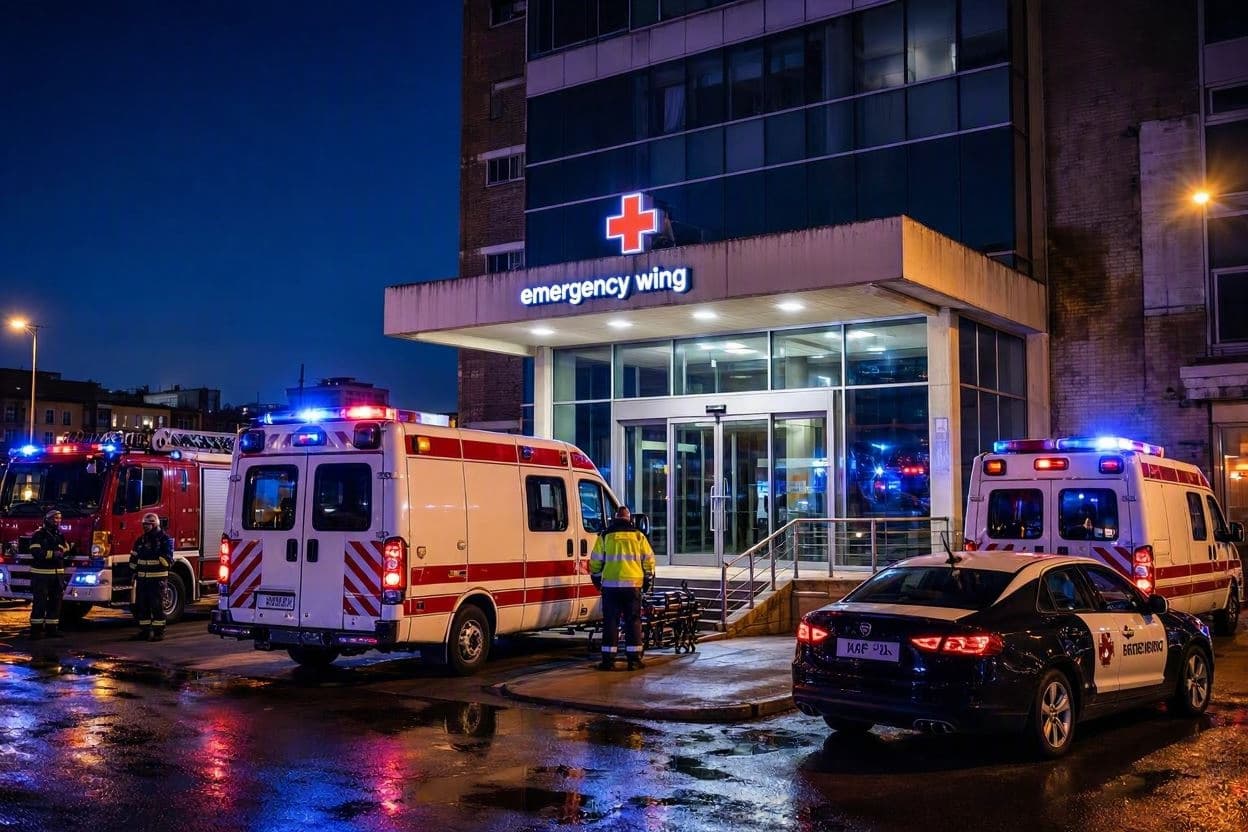
In the quiet towns and bustling cities of Pennsylvania, a familiar yet formidable adversary has returned. The measles outbreak, now one of the largest in decades, has sparked a complex response among residents, characterized by both defiance and a urgent rush to vaccinate. This duality reflects the deep-seated tensions between personal freedom and communal responsibility that define much of contemporary public discourse. As cases rise and hospitals prepare for an influx of patients, the state finds itself at a crossroads, navigating the delicate balance between individual choice and public health imperatives.
The outbreak, which has resulted in hundreds of confirmed cases and tragic fatalities, has shaken communities that had long forgotten the severity of this disease. For many, the sight of children hospitalized with measles is a shocking reminder of the past, prompting a reevaluation of vaccine hesitancy. Yet, for others, the push for vaccination is met with skepticism and resistance, rooted in mistrust of institutions and a desire for autonomy. This divide creates a challenging landscape for health officials working to contain the spread.
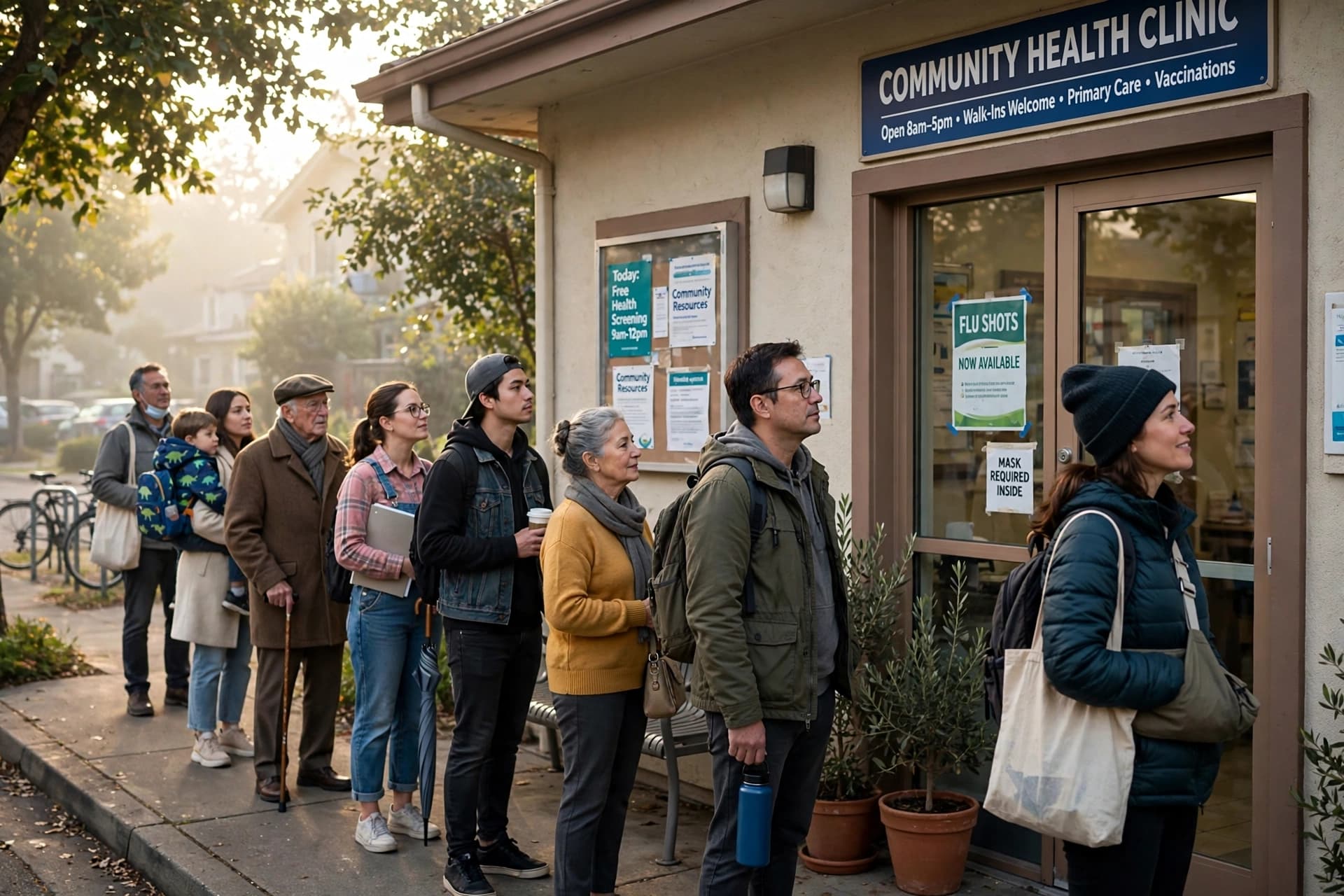
Health departments across Pennsylvania have ramped up their efforts to educate the public and provide easy access to vaccines. Pop-up clinics, school-based programs, and community outreach initiatives aim to reach those who may have fallen behind on their immunizations. The message is clear: vaccination is the most effective tool against measles, offering protection not just for the individual but for the entire community. Despite these efforts, uptake has been uneven, with some areas seeing significant increases in vaccination rates while others remain resistant.
The role of misinformation cannot be overstated in this crisis. Social media platforms have become battlegrounds where conflicting narratives about vaccine safety and efficacy circulate rapidly. Health experts struggle to counter false claims with evidence-based information, often finding themselves shouting into a digital void. This challenge highlights the need for better digital literacy and more effective communication strategies that resonate with diverse audiences. Trust, once lost, is difficult to rebuild.
For healthcare workers, the outbreak has been a test of endurance and compassion. Nurses, doctors, and public health staff work tirelessly to care for the sick and educate the worried. Their dedication is a beacon of hope in a time of uncertainty, demonstrating the power of professional commitment. Yet, they also face burnout and frustration as they confront preventable suffering. Supporting these frontline workers is essential to sustaining the response effort.
The economic impact of the outbreak is also significant. Schools and businesses face disruptions due to quarantine requirements and illness-related absences. Parents miss work to care for sick children, and healthcare costs rise as more people seek treatment. These tangible consequences add urgency to the call for action, reminding everyone that public health is inextricably linked to economic stability. A healthy population is the foundation of a thriving society.
Community leaders play a crucial role in bridging the gap between health officials and skeptical residents. Faith leaders, teachers, and local influencers can help dispel myths and encourage vaccination by speaking from a place of shared values. Their voices often carry more weight than official mandates, fostering a sense of collective care rather than coercion. This grassroots approach is vital in building lasting resilience against future outbreaks.
As the outbreak continues, the lessons learned will shape public health policy for years to come. The need for robust surveillance systems, equitable access to vaccines, and effective communication strategies is clearer than ever. Pennsylvania’s experience serves as a case study for other states facing similar challenges, offering insights into what works and what needs improvement. It is a painful but necessary education in the art of community protection.
The measles outbreak in Pennsylvania is a stark reminder of the importance of vaccination and community solidarity. As residents grapple with fear and uncertainty, let us choose empathy and science over division. In protecting ourselves, we protect each other, weaving a stronger fabric of health and trust for all.
AI Image Disclaimer: Visuals used in this report are AI-generated illustrations intended to reflect the thematic elements of public health and community response without depicting real events.
Sources: Pennsylvania Department of Health The Seattle Times PBS NewsHour CIDRAP
Published by Banx Network. This article is part of the Banx decentralized media programme, powered by the BXE token on the XRP Ledger.