In the humid subtropical regions of the United States, a disturbing biological threat has re-emerged, reminding residents of the delicate balance between humans and nature. The screwworm fly, a parasite known for its gruesome method of reproduction, has been detected in recent cases, raising alarms among health officials. Unlike typical flies that lay eggs on decaying matter, the screwworm targets living tissue, burrowing into open wounds or bodily openings like the ears and nose. Its return to the U.S. after decades of eradication efforts is a concerning development that demands immediate attention and public awareness.
The larvae of the screwworm fly feed on the living flesh of their host, causing severe pain, infection, and potentially fatal complications if left untreated. This behavior distinguishes them from other maggots, which typically consume dead tissue. The infestation, known as myiasis, can affect both humans and animals, posing a significant risk to livestock industries and public health. The visceral nature of the threat evokes a deep-seated fear, highlighting the importance of vigilance in areas where the fly is present.
Historically, the screwworm was eradicated from the United States in the mid-20th century through a massive campaign involving sterile insect techniques. Millions of sterilized male flies were released to disrupt breeding cycles, effectively eliminating the pest from North America. However, the parasite remains endemic in parts of Central and South America, and occasional incursions occur when infected animals or humans cross the border. Recent detections suggest that these incursions may be becoming more frequent or that local transmission is occurring.
Health authorities are urging travelers and residents in border states to be cautious. Any open wound should be kept clean and covered to prevent flies from laying eggs. Symptoms of infestation include unusual pain, swelling, and the sensation of movement under the skin. Early detection is crucial for effective treatment, which involves the manual removal of larvae and antibiotic therapy. Delaying care can lead to serious tissue damage and systemic infection.
Veterinarians play a critical role in monitoring and controlling the spread of screwworms. Livestock, particularly cattle and sheep, are primary hosts, and outbreaks in animal populations can signal a risk to humans. Farmers are advised to inspect their animals regularly and report any suspicious signs to agricultural officials. Coordination between human and animal health sectors is essential for a comprehensive response to this zoonotic threat.
Public education is a key component of the defense strategy. Awareness campaigns aim to inform people about the risks and preventive measures. Simple actions, such as proper wound care and using insect repellent, can significantly reduce the likelihood of infestation. By empowering individuals with knowledge, health officials hope to mitigate the impact of potential outbreaks. It is a collective effort that requires community engagement.
The scientific community is also studying the genetic makeup of recent screwworm samples to determine their origin and potential for establishment. Understanding whether these are isolated incidents or signs of a broader resurgence is vital for planning long-term control strategies. Research into new methods of sterilization and biological control continues, offering hope for more effective management tools in the future.
In the end, the return of the screwworm parasite is a reminder of the persistent challenges in public health and agriculture. It underscores the need for continued vigilance, international cooperation, and scientific innovation. By staying informed and taking preventive steps, communities can protect themselves and their animals from this ancient foe. The battle against the screwworm is not just about eradication but about maintaining a safe and healthy environment for all.
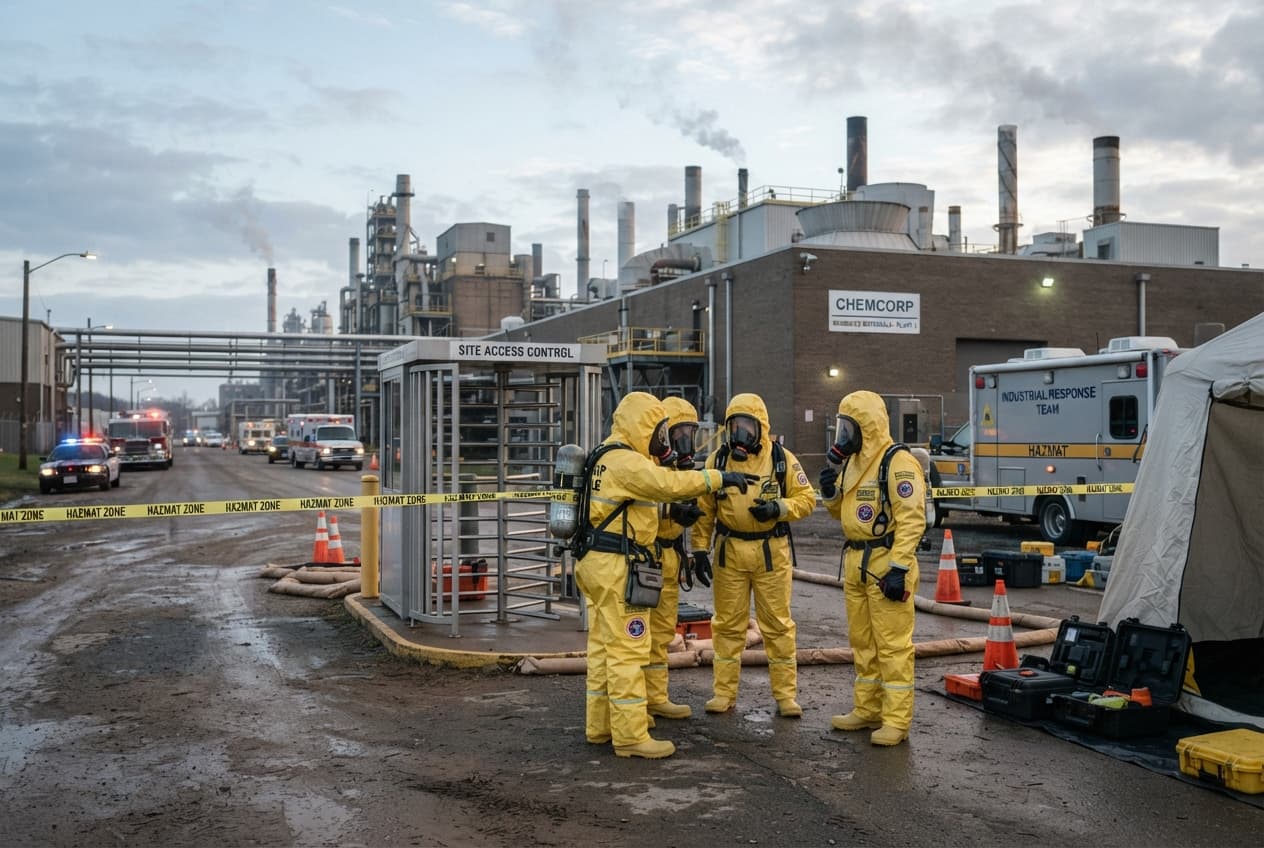
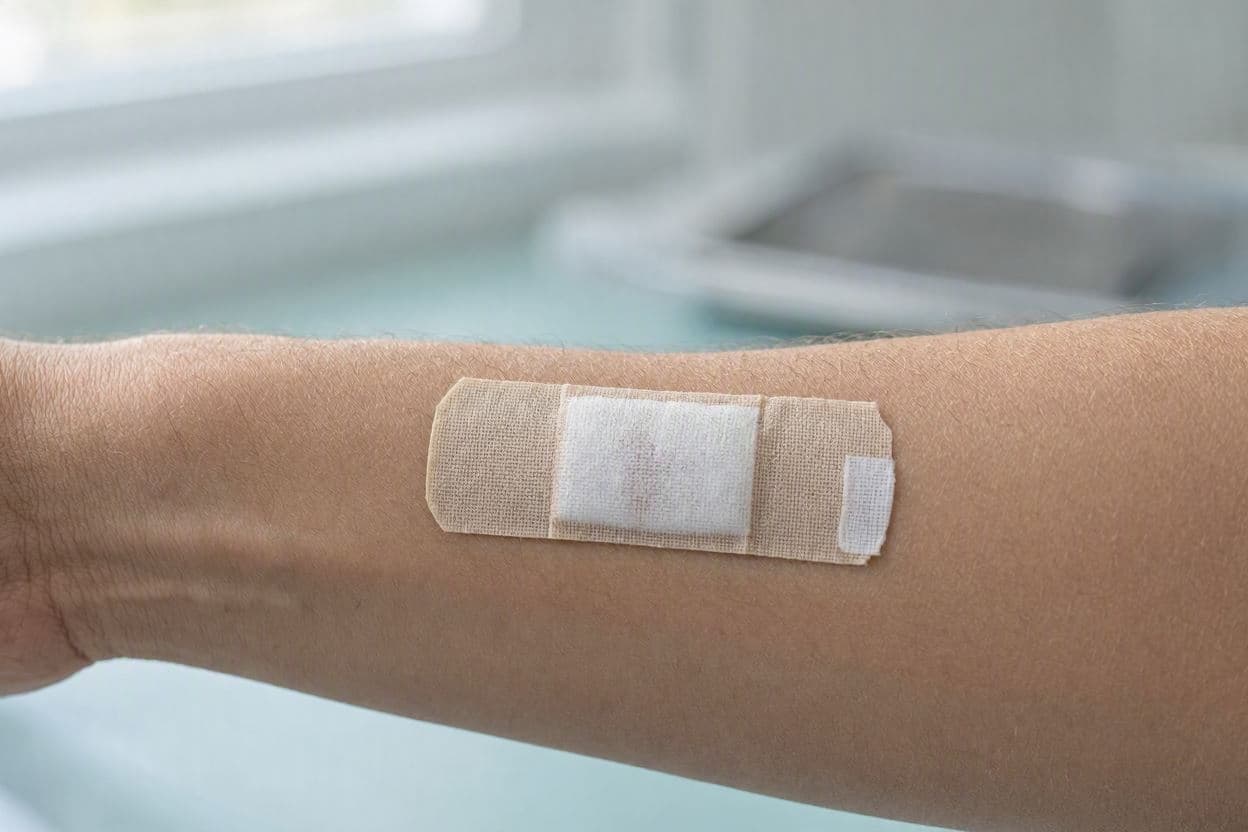
AI Image Disclaimer: The visual aids included here are AI-generated illustrations depicting medical and biological themes, not actual photographs of screwworm larvae or specific medical cases.
Sources: CDC USDA Medical News Today
Published by Banx Network. This article is part of the Banx decentralized media programme, powered by the BXE token on the XRP Ledger.