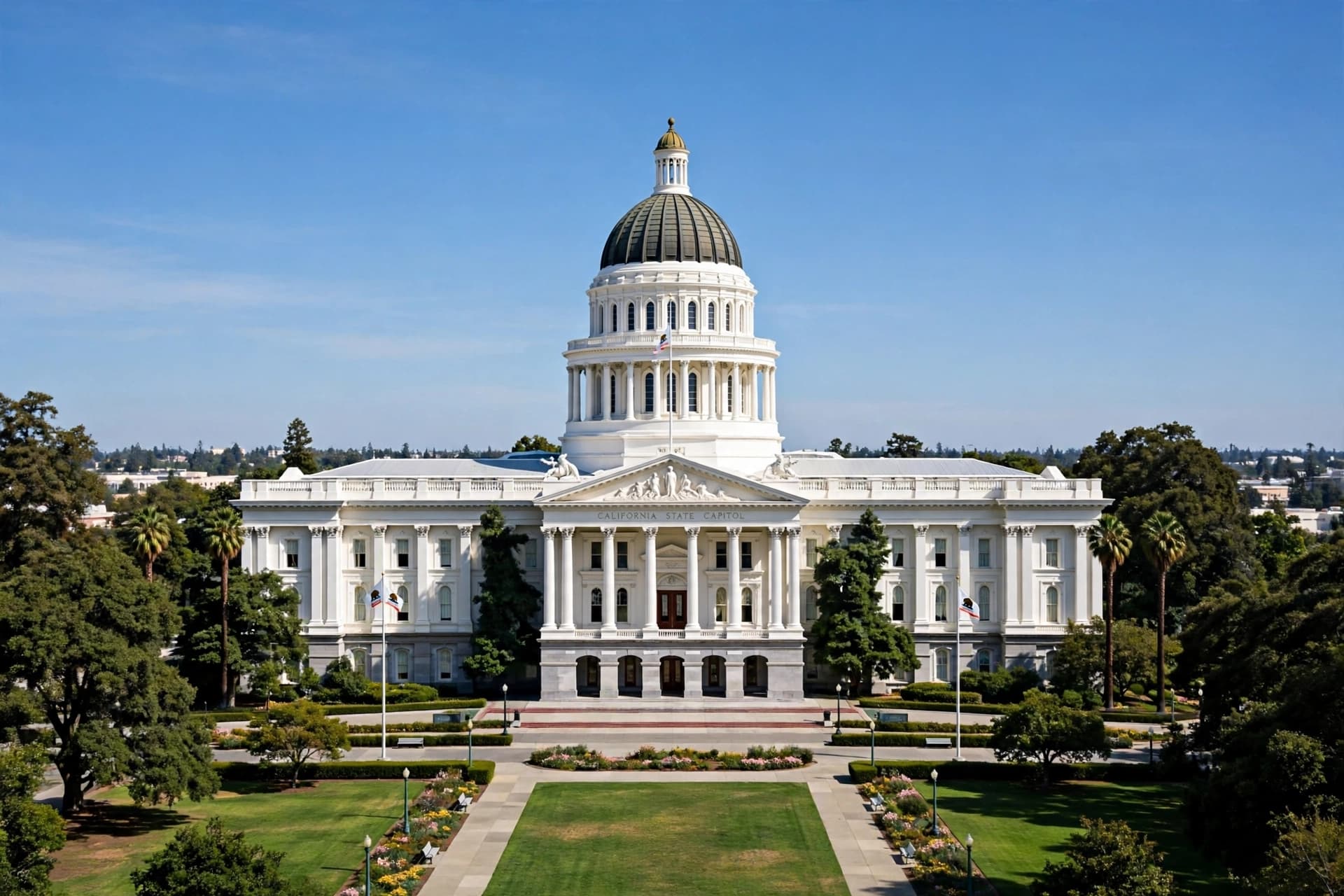
California has always carried a certain paradox within it—a state that celebrates innovation and wealth while also holding fast to the idea that prosperity carries obligations. That paradox has found its way onto the November ballot, where a single proposition asks voters to decide whether the state should become the first in the world to tax billionaires specifically for being billionaires.
Proposition 40 would impose a one-time 5 percent tax on the wealth of California residents whose net worth exceeds one billion dollars . The revenue—estimated in the tens of billions—would flow primarily to state healthcare programs, with the remainder directed toward food assistance and education initiatives . The measure was placed on the ballot through a signature-gathering campaign led by the Service Employees International Union-United Healthcare Workers West, which framed it as a response to anticipated federal funding cuts that could cost the state billions annually .
The campaign has not been a quiet one. Opponents, backed by a coalition that includes Google co-founder Sergey Brin and other wealthy donors, have raised more than $333 million since January to defeat the measure . The opposition campaign, operating under the name Building a Better California, has argued that the tax would drive wealth and jobs out of the state. Two countermeasures on the ballot, Propositions 41 and 42, would nullify the billionaire tax even if it passes, creating what supporters describe as "poison pills" .
The fight has divided California's Democratic establishment in ways that feel both familiar and revealing. Governor Gavin Newsom opposes Proposition 40, writing in a Substack post that while he supports a federal billionaire tax, the state measure "dedicates almost all of the revenue" to healthcare and leaves nothing for housing, childcare, or public universities . The state Democratic Party, along with the AFL-CIO and Teamsters, supports the measure. The opposition has drawn endorsements from prominent Democrats including Xavier Becerra and Katie Porter .
The economic questions are not simple, and the analysts who study them are careful with their language. The nonpartisan Legislative Analyst's Office has estimated that if billionaires leave the state in response to the tax, the revenue loss would be less than $1 billion per year—a figure that is significant but not catastrophic relative to the tens of billions the tax would raise . Tracy Gordon of the Urban-Brookings Tax Policy Center noted that "some types" of wealthy individuals do move in response to taxes, and that such movement would be "concerning" for a state that relies heavily on income tax revenue . But she also acknowledged the appeal of the numbers: "When you see eye-popping numbers like that, I can see how that looks very appealing" .
Polling suggests the outcome is far from certain. A recent UC Berkeley-Los Angeles Times survey found 50 percent opposed, 42 percent in support, and 8 percent undecided . Even if Proposition 40 passes, the countermeasures could render it moot. The campaign has become a proxy for a larger argument about what California owes its residents and what it asks of its wealthiest ones.
The votes will be counted, and the result—whatever it is—will say something about how a state known for both its fortunes and its ideals chooses to balance them.
Image Disclaimer: The images accompanying this report were created by AI and do not depict actual events or individuals.
Sources: Bloomberg, The Guardian, NewsNation, Institute for Public Accuracy
Published by Banx Network. This article is part of the Banx decentralized media programme, powered by the BXE token on the XRP Ledger.