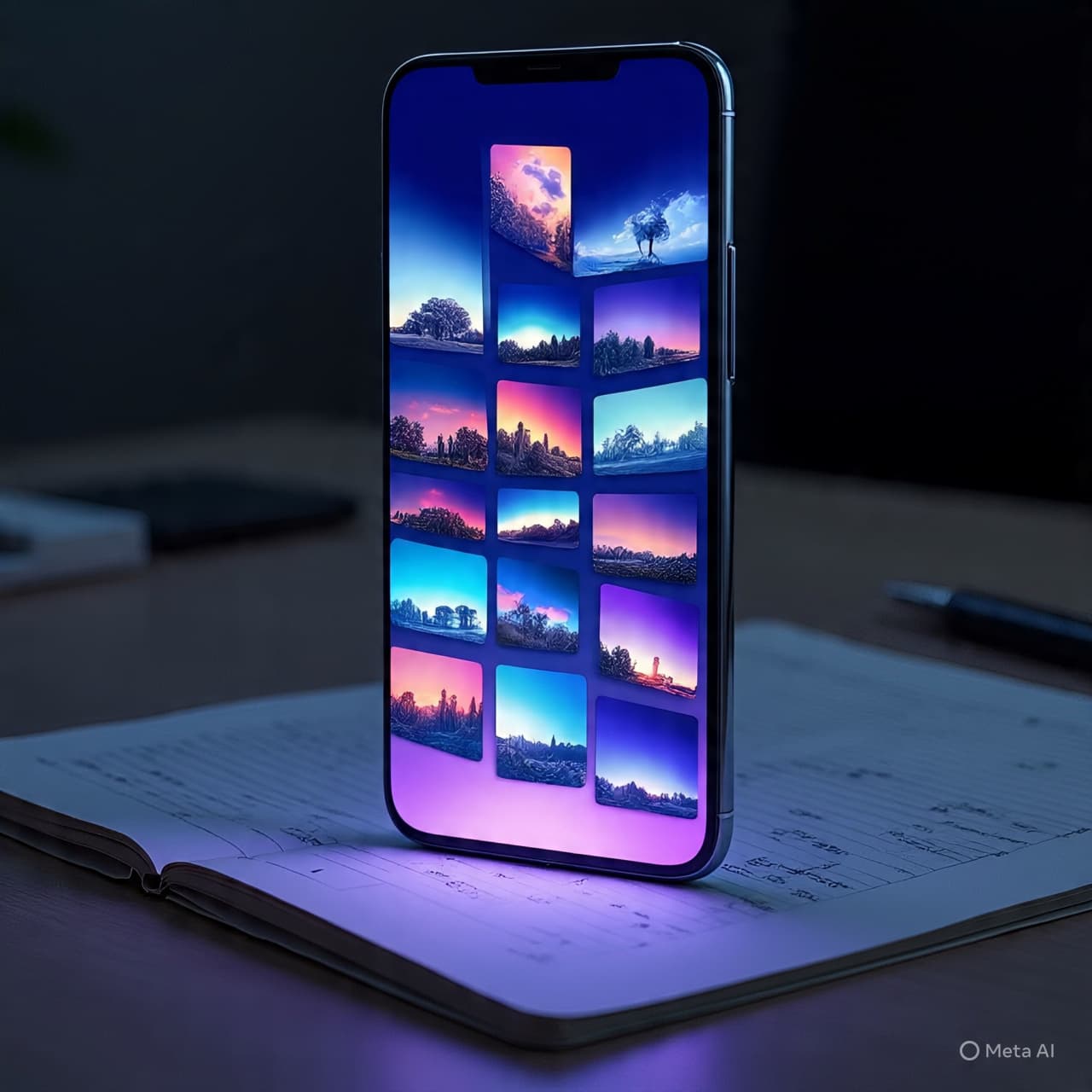
OpenAI is testing an app designed to look like TikTok, but with one defining twist: all content is generated by artificial intelligence. No humans dancing, joking, or sharing stories—the feed is entirely built by neural networks, delivering a nonstop stream of synthetic clips.
Technically, the platform mirrors familiar social media mechanics—swipes, likes, comments, and the loops of engagement that define digital attention. But instead of creators or influencers driving the feed, algorithms continuously generate new visual fragments. Internal trials have already taken place, drawing positive reactions, though managers noted a trade-off: the more staff used the app, the more productivity seemed to erode.
Behind the experiment lies a broader question. Social platforms have thrived on spontaneous human expression. TikTok, for instance, was built on millions of people stepping into the spotlight, creating trends and shaping digital identity. OpenAI’s app rewrites that stage: content arrives without creators, and performance no longer requires performers.
The implications extend to the digital economy. Will users stay engaged with videos stripped of personal narrative? If algorithms can endlessly generate entertainment, what becomes of influencers who once anchored the ecosystem? The platform tests more than technology—it challenges the foundation of authorship and authenticity online.
This may remain an internal prototype, or evolve into a mainstream product. Either way, the symbolic message is clear: artificial intelligence is no longer just a tool supporting creativity—it is becoming the primary creator. In an era where machines can produce endless streams of content, the human role in digital entertainment faces new uncertainty.
This article is based on reporting from TechCrunch, The Information, and internal industry leaks.
Published by Banx Network. This article is part of the Banx decentralized media programme, powered by the BXE token on the XRP Ledger.