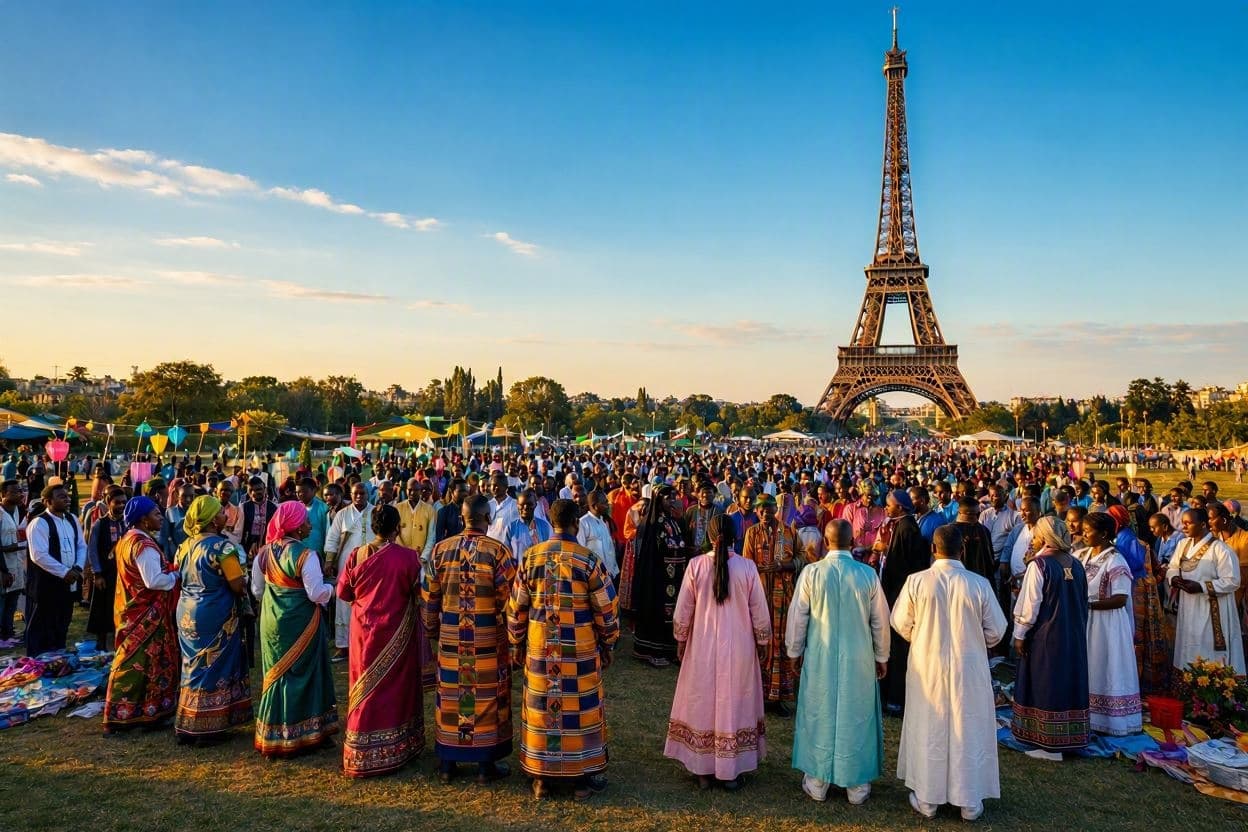
Global landmarks often serve as stages for cultural expression, where diverse traditions intersect with iconic symbols of history. The Eiffel Tower, a beacon of Paris, recently became the focal point of a significant gathering organized by BAPS, a prominent Hindu spiritual organization. The event, which led to temporary closures and logistical adjustments, highlights the growing visibility of Hindu traditions on the world stage. This occurrence invites us to reflect on the dynamics of religious freedom, cultural diplomacy, and the complexities of managing public spaces in a multicultural society. It is a moment where faith meets fame, prompting questions about access and representation.
BAPS, or the Bochasanwasi Akshar Purushottam Swaminarayan Sanstha, is a global Hindu socio-spiritual organization known for its humanitarian work and temple construction. With millions of followers worldwide, the group has increasingly engaged in large-scale public events to promote peace and spiritual awareness. The gathering in Paris was part of a broader effort to celebrate Hindu heritage and foster interfaith dialogue, drawing thousands of devotees to the French capital.
The decision to close certain areas around the Eiffel Tower was made to accommodate the large number of participants and ensure public safety. Such logistical measures are common for major events, whether they are political protests, marathons, or religious festivals. However, the scale and nature of this particular gathering drew attention due to the symbolic weight of the location. The juxtaposition of ancient spiritual practices with a modern industrial monument created a striking visual narrative.
Critics and observers have raised questions about the balance between religious expression and public access. Some argue that closing iconic sites for specific groups sets a precedent that could be challenging to manage in the future. Others view it as a necessary accommodation for religious freedom, allowing minority communities to practice their faith visibly and proudly. This debate reflects broader societal discussions about inclusivity and secularism in public spaces.
For the members of BAPS, the event was a source of pride and spiritual fulfillment. It provided an opportunity to share their values of service and devotion with a global audience. The organization emphasizes non-violence, charity, and community building, aiming to counter stereotypes and promote understanding. Their presence in Paris was intended to be a message of peace and unity, transcending cultural boundaries.
The French authorities handled the situation with a focus on order and security, coordinating with event organizers to minimize disruption. This collaboration demonstrates the practical aspects of managing diverse public demands in a democratic society. It requires careful planning and communication to ensure that all citizens’ rights are respected while maintaining public order. The success of such events depends on this delicate balance.
Media coverage of the event varied, with some focusing on the logistical challenges and others on the cultural significance. International attention highlighted the growing influence of Hindu organizations globally. It also sparked conversations about the role of religion in public life and how cities adapt to changing demographic and cultural landscapes. These discussions are essential for fostering mutual respect and understanding.
As the crowds dispersed and the tower reopened, the event left a lasting impression on those who witnessed it. It served as a reminder of the diversity that enriches modern cities. The ability to host such gatherings reflects a society’s capacity for tolerance and adaptation. It is a step toward a more inclusive public sphere where different traditions can coexist.
The BAPS gathering at the Eiffel Tower highlights the intersection of faith and public space. It underscores the importance of balancing religious expression with communal access. Let us continue to dialogue on inclusivity and respect.
AI Image Disclaimer: The visuals accompanying this piece are AI-generated interpretations intended for illustrative purposes only.
Sources: The Guardian France 24 BBC News
Published by Banx Network. This article is part of the Banx decentralized media programme, powered by the BXE token on the XRP Ledger.

.jpg&w=3840&q=75 "Russia Turns Black Sea Into World’s Deadliest Shipping Route as More Than 570 Ships Are Hit")