In the quiet aftermath of chaos, where the roar of rushing water has finally subsided into a heavy, muddy silence, there remains a singular, piercing hope that defies logic. It is the hope of a mother who has scanned every face in the crowd, her heart beating in rhythm with the uncertain tide, waiting for a miracle that feels increasingly like a memory. When disaster strikes with the ferocity of nature’s unbridled power, it does not just wash away homes; it threatens to erase the very threads that bind families together, leaving behind a void that echoes louder than the storm itself.
The recent floods in Nepal have left scars on the landscape that will take generations to heal, but the emotional topography is even more complex. For countless families, the days following the deluge were a blur of frantic searches, whispered prayers, and the crushing weight of uncertainty. In this haze, the story of one mother’s reunion with her son emerges not merely as a news item, but as a testament to the enduring resilience of the human spirit amidst devastation.
The separation was sudden, a cruel twist of fate that tore a child from his mother’s grasp as the waters rose with terrifying speed. In those moments, time seems to distort, stretching seconds into eternities of fear. The mother, like many others, was forced to navigate a labyrinth of displacement camps and makeshift shelters, her eyes scanning every group of survivors for a familiar smile or a recognizable gesture. The anxiety of not knowing is a unique form of torment, one that lingers long after the physical danger has passed.
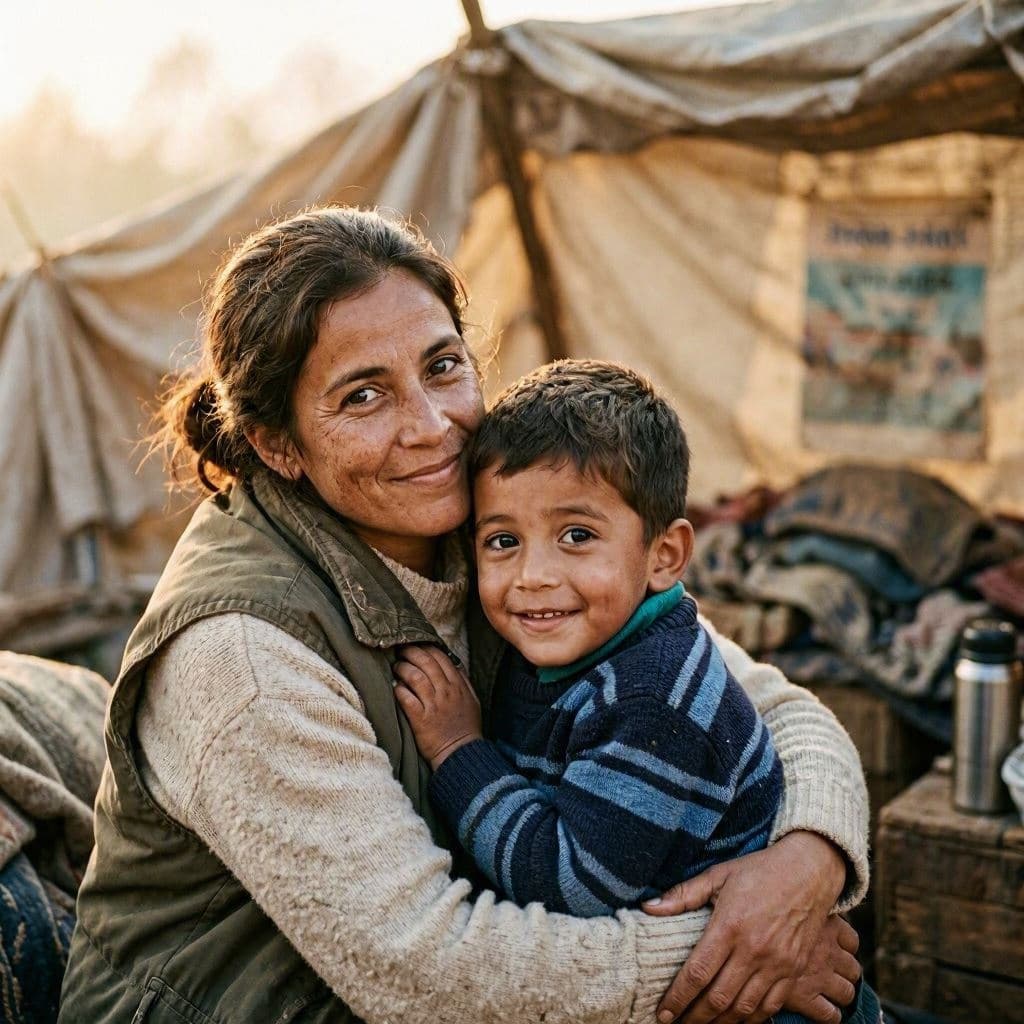
Yet, in the midst of this collective tragedy, small miracles begin to surface. The reunion was not marked by grand gestures, but by the quiet, overwhelming relief of recognition. It was a moment where the noise of the world faded, leaving only the tangible reality of a child safe in his mother’s arms. This embrace, simple yet profound, serves as a reminder that even in the darkest hours, connection persists. It is a anchor in the storm, a proof of life when all else seems lost.
Such stories, while deeply personal, reflect a broader narrative of community solidarity. In Nepal, where the terrain is rugged and the infrastructure often fragile, neighbors become lifelines. Strangers share food, shelter, and information, creating a network of support that operates on instinct rather than instruction. The mother’s journey to find her son was likely paved with the kindness of others, each act of generosity a small beacon in the gloom.
The psychological impact of such events cannot be understated. For the child, the trauma of separation may linger, but the security of reunion offers a foundation for healing. For the mother, the relief is tinged with the lingering echo of fear, a reminder of how precarious life can be. Yet, there is also a renewed appreciation for the present, a sharpened focus on the value of every shared moment.
As aid organizations continue their work, clearing debris and restoring basic services, the emotional recovery begins in these quiet intersections of human connection. The floodwaters may recede, but the memories remain. They serve as both a warning and a inspiration, highlighting the vulnerability of our existence and the strength we draw from one another.
This particular reunion is but one thread in a vast tapestry of loss and recovery. It reminds us that behind every statistic of displacement or damage, there are individual stories of love, fear, and ultimate redemption. These narratives demand our attention not just for their dramatic arc, but for their universal truth.
As Nepal begins the long process of rebuilding, the focus must remain on both the physical reconstruction and the emotional mending of its communities. The reunion of this mother and son is a poignant symbol of hope, a gentle reminder that even in the face of overwhelming natural forces, the bonds of family endure. It is a story that invites us to look beyond the headlines and see the human heart beating steadily beneath the rubble.
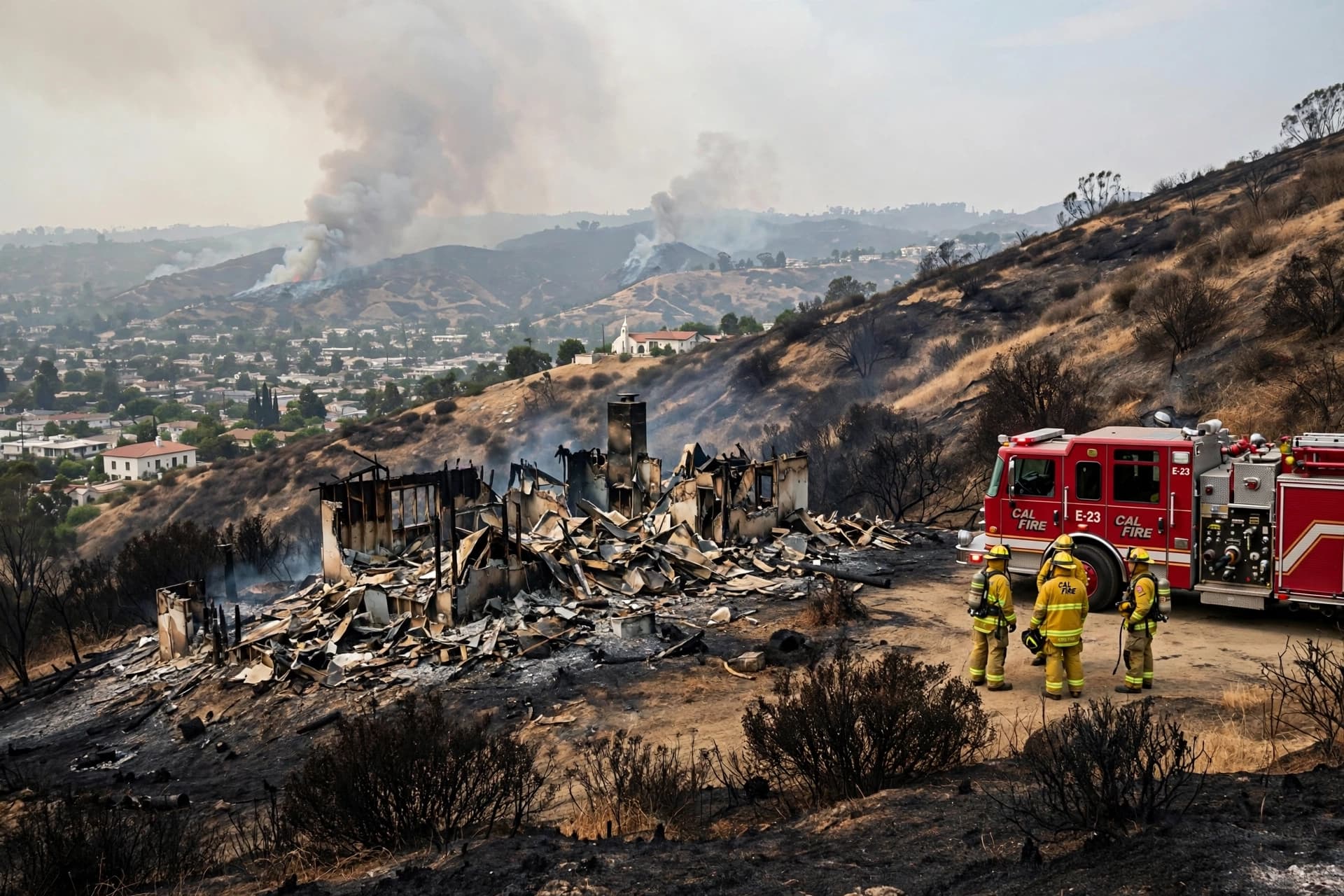
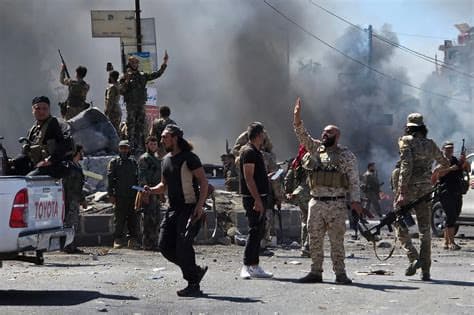
AI Image Disclaimer: Please note that any accompanying visuals for this piece are AI-generated interpretations intended to evoke the emotional tone of the narrative, not to depict specific real-world individuals or events.
Sources:
• The Kathmandu Post
• BBC News
• Al Jazeera
• Reuters
Published by Banx Network. This article is part of the Banx decentralized media programme, powered by the BXE token on the XRP Ledger.