In conflicts that stretch across months and years, even the smallest movement can carry deep significance. Diplomacy often advances quietly, through long discussions held away from public view, where each word represents a careful attempt to bridge difficult divides. Reports of progress in Gaza ceasefire talks have drawn attention as negotiators continue searching for a path toward reducing the suffering caused by the conflict.
Efforts to reach a ceasefire agreement in Gaza have involved multiple parties, including Israeli and Palestinian representatives, with mediation efforts led by countries such as Egypt, Qatar, and the United States. Negotiations have focused on issues including stopping hostilities, humanitarian assistance, and arrangements involving hostages and detainees. (Reuters)
The reported progress comes after extended periods of difficult negotiations marked by disagreements over key conditions. Previous attempts at reaching agreements have faced obstacles, reflecting the complexity of balancing security concerns, humanitarian needs, and political realities on all sides.
Mediators have continued working behind the scenes, seeking areas where compromise may be possible. Diplomatic discussions in conflicts of this nature often require careful attention to details, as even minor disagreements can influence whether an agreement moves forward.
For civilians in Gaza and surrounding areas, the possibility of a ceasefire represents more than a political development. It carries hopes for greater access to humanitarian aid, medical support, and a reduction in the daily uncertainty experienced by communities affected by the fighting.
International organizations have repeatedly emphasized the importance of protecting civilians and ensuring humanitarian assistance reaches those in need. A pause in fighting could create opportunities for emergency services and relief groups to respond more effectively to urgent challenges.
At the same time, observers note that negotiations remain delicate. Progress in talks does not automatically guarantee a final agreement, and many practical and political questions must still be addressed before any ceasefire can take effect.
The continued diplomatic efforts highlight the difficult but essential role of dialogue during periods of conflict. While negotiations may move slowly, each step represents an attempt to replace continued confrontation with a process built around communication.
As discussions continue, the world remains focused on whether this latest moment of diplomatic movement can develop into a lasting reduction in violence. The path ahead remains uncertain, but the willingness to continue negotiations remains an important part of seeking a more stable future.
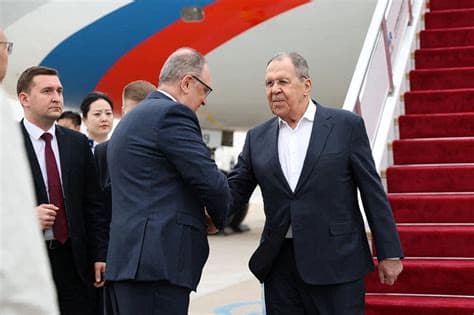
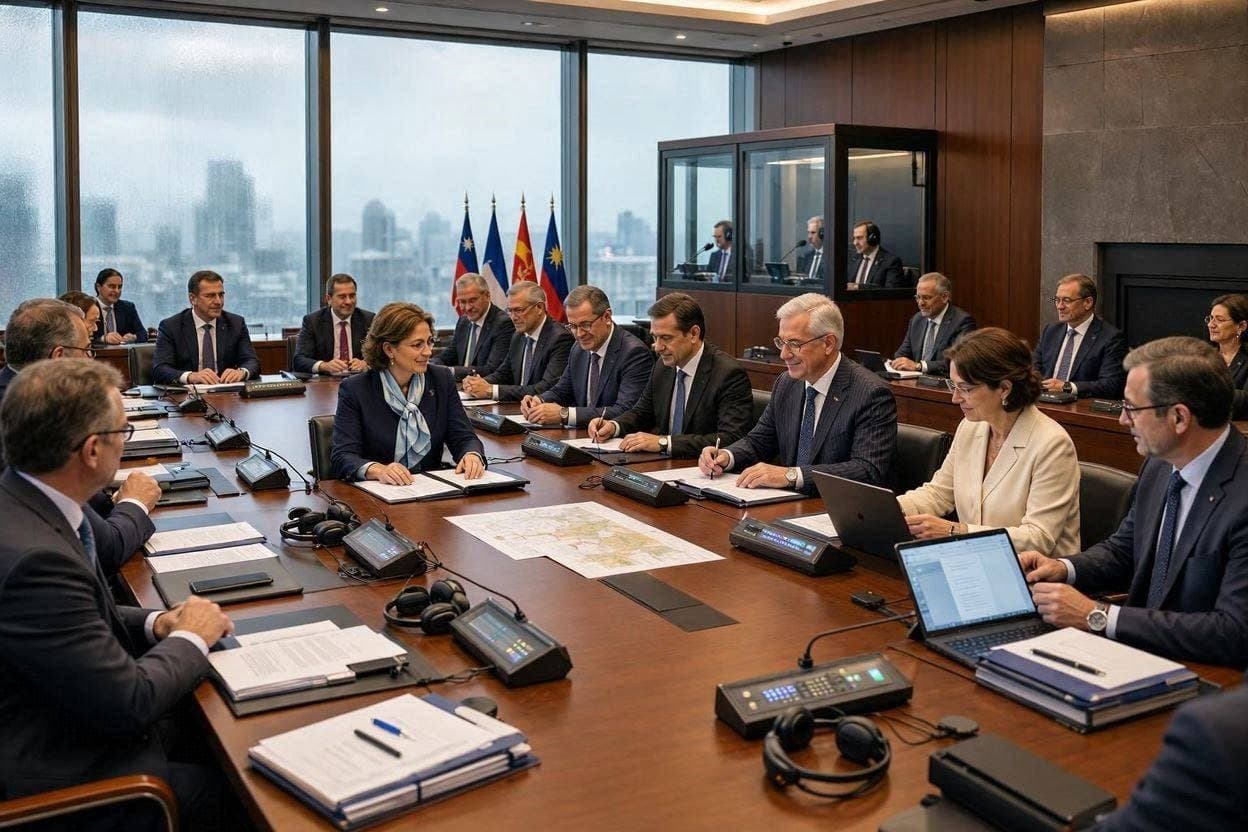
AI Image Disclaimer: The images accompanying this article are AI-generated illustrations representing diplomatic discussions, humanitarian efforts, and conflict-resolution settings. They are conceptual visuals and are not actual photographs of the negotiations.
Sources:
Reuters Associated Press BBC News Al Jazeera United Nations
Published by Banx Network. This article is part of the Banx decentralized media programme, powered by the BXE token on the XRP Ledger.

.jpg&w=3840&q=75 "Sally Rooney’s Books to Be Withdrawn From UK Sale Over Palestine Action Support")