Outer space is supposed to look like stainless steel and telemetry — all headset protocol and aerospace stoicism. Yet sometimes the most believable way to measure human expansion beyond Earth is not the docking maneuvers or the orbital experiments. It’s the moments when people in space behave exactly like people on Earth.
This week, Chinese astronauts baked chicken wings aboard their space station — using an onboard food heater that looks more like a compact oven than a ration warmer. It feels small. Almost trivial. And yet it touches something profound: the idea that space isn’t purely an arena of tech demonstration, but a habitat that needs warmth and story.
Space food has historically been about efficiency — freeze-dried cubes, tubes, commercial pouches repurposed for the void. But comfort is a nutrient too. When crews start to crave a familiar texture, that is a data point. We are crossing a threshold — where long-duration habitation demands pleasure, not just caloric adequacy.
And perhaps this is how real space colonization will feel: not heroic, not triumphant, but domestic. The future is not just solar panels scaling, or robot arms grappling modules. The future is wings, or dumplings, or a bowl of noodles — made not because it optimizes mass-per-calorie, but because it preserves morale.
Tiny rituals are the real infrastructure of civilization.
And if the next generation dreams of living off-world, they might not be dreaming of launch pads or satellite constellations. They might be dreaming of dinner (with spices) and friends floating in the galley — sharing something that tastes like home, even when “home” is now a blue marble far below the viewport.
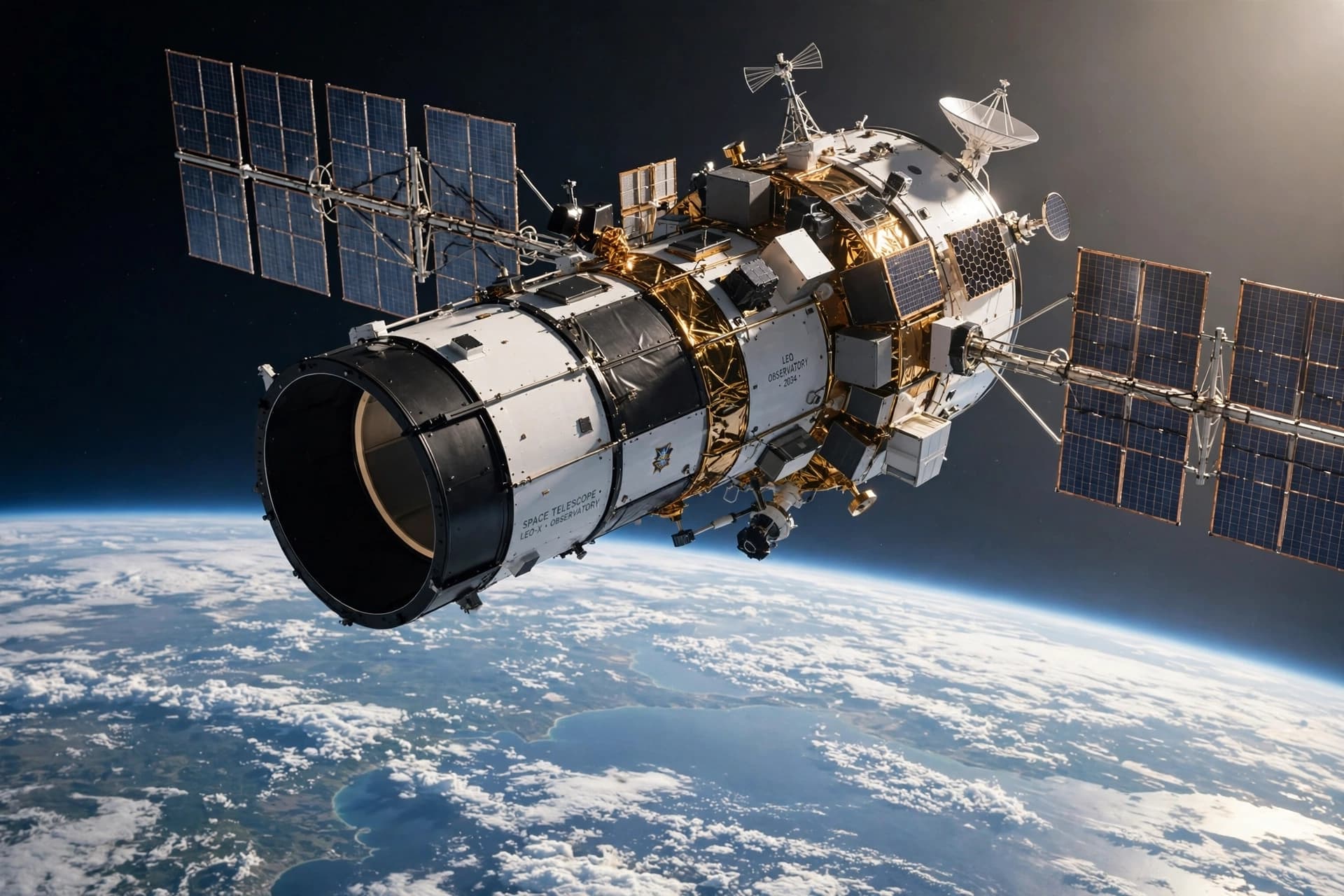
AI image disclaimer Descriptions are creative visual directions, not photographs of the real mission.
Published by Banx Network. This article is part of the Banx decentralized media programme, powered by the BXE token on the XRP Ledger.