There are moments in global commerce when the balance of quiet power shifts — not with headlines at first, but with signatures on contracts and revised figures in spreadsheets. In the world of semiconductors, such shifts can ripple outward with remarkable force. Recent reports suggest that Apple has agreed to a 100 percent price increase on certain Samsung memory chips, a development that reflects more than a simple adjustment in cost. It signals a broader turn in the rhythm of supply and demand.
For years, memory pricing has followed a cyclical path. There were seasons of oversupply, when manufacturers competed for large orders and device makers negotiated assertively. Then came production cuts, inventory corrections, and a measured recalibration of output. According to DigiTimes and The Korea Economic Daily, that recalibration has now matured into a seller’s market — one where suppliers hold firmer ground.
Samsung, as one of the world’s largest producers of DRAM and NAND flash memory, occupies a central role in this landscape. Apple, meanwhile, depends on high-performance memory to power its iPhones, iPads, and Macs. The relationship is layered: competitors in consumer electronics, collaborators in components. Nikkei Asia has reported that tightening supply and renewed demand in both mobile and data center markets have strengthened suppliers’ pricing leverage.
The reported 100 percent price hike — described in supply chain coverage as initially “tentative” — underscores the intensity of the shift. AppleInsider and 9to5Mac note that Apple had reportedly anticipated a smaller increase, closer to 60 percent. The acceptance of the higher figure suggests that securing stable, high-volume supply may have outweighed the pursuit of narrower margins.
Memory is not merely a background component. It shapes device responsiveness, multitasking capabilities, and increasingly, the performance of on-device AI functions. As smartphones and computers grow more sophisticated, the demand for higher-capacity and faster memory modules expands. When supply tightens under those conditions, price elasticity can diminish.
Yet such negotiations are rarely defined by a single number. They are part of longer-term agreements, volume commitments, and strategic partnerships. Accepting a higher cost today may secure predictability for tomorrow’s product cycles. In industries where launch timelines are precise and delays costly, certainty carries its own premium.
The broader implication touches consumers as well. Component costs inevitably influence production budgets. Whether companies absorb increases or pass them forward depends on competitive pressures, currency factors, and long-term strategy. The current reports do not confirm immediate retail pricing changes, but they highlight a market environment where upward pressure exists.
In straightforward terms, supply chain media report that Apple has agreed to a significant memory chip price increase proposed by Samsung, reflecting tightening supply and strengthened pricing power for manufacturers. Neither company has publicly disclosed detailed contract terms, but the development illustrates the evolving dynamics of the semiconductor market.
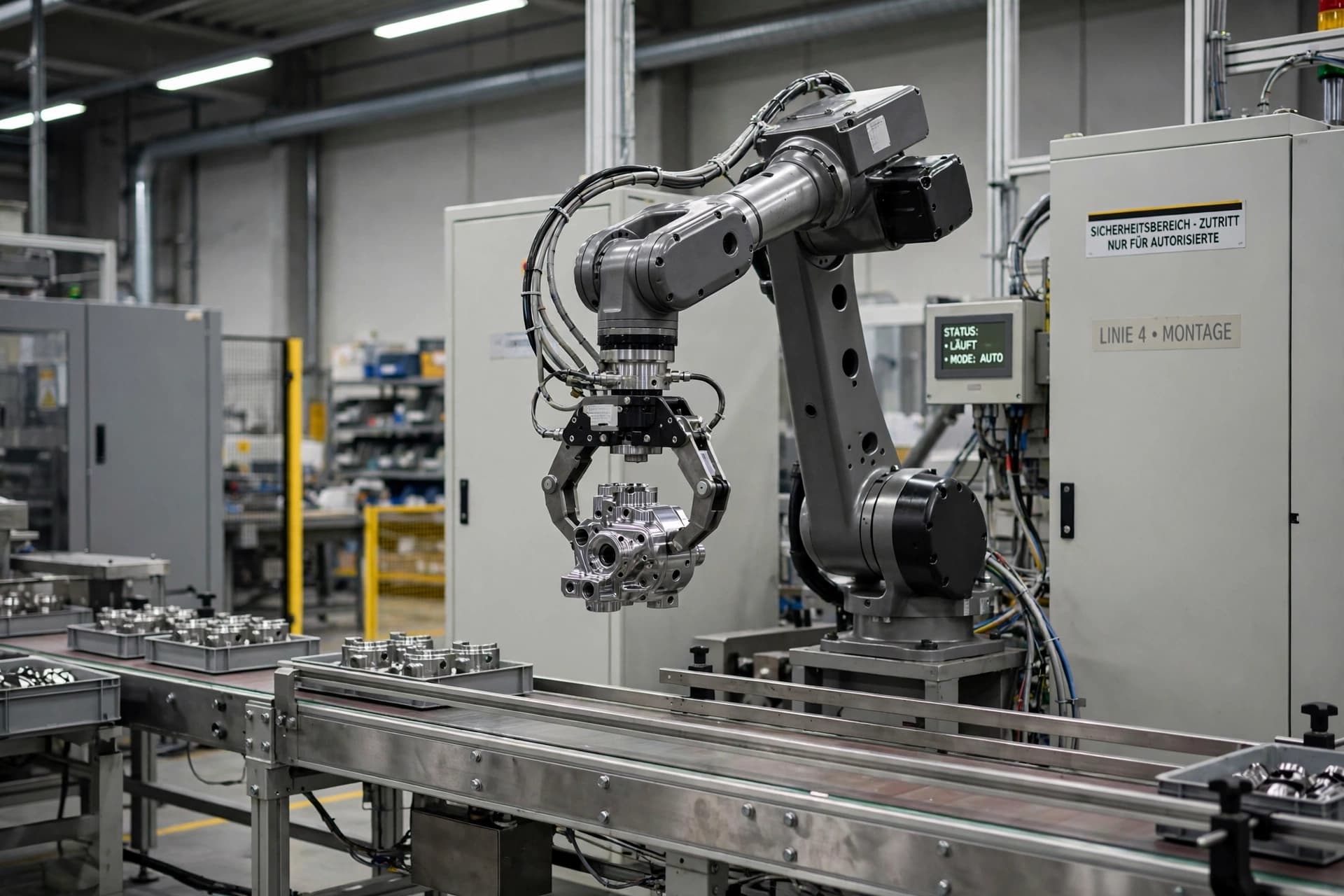
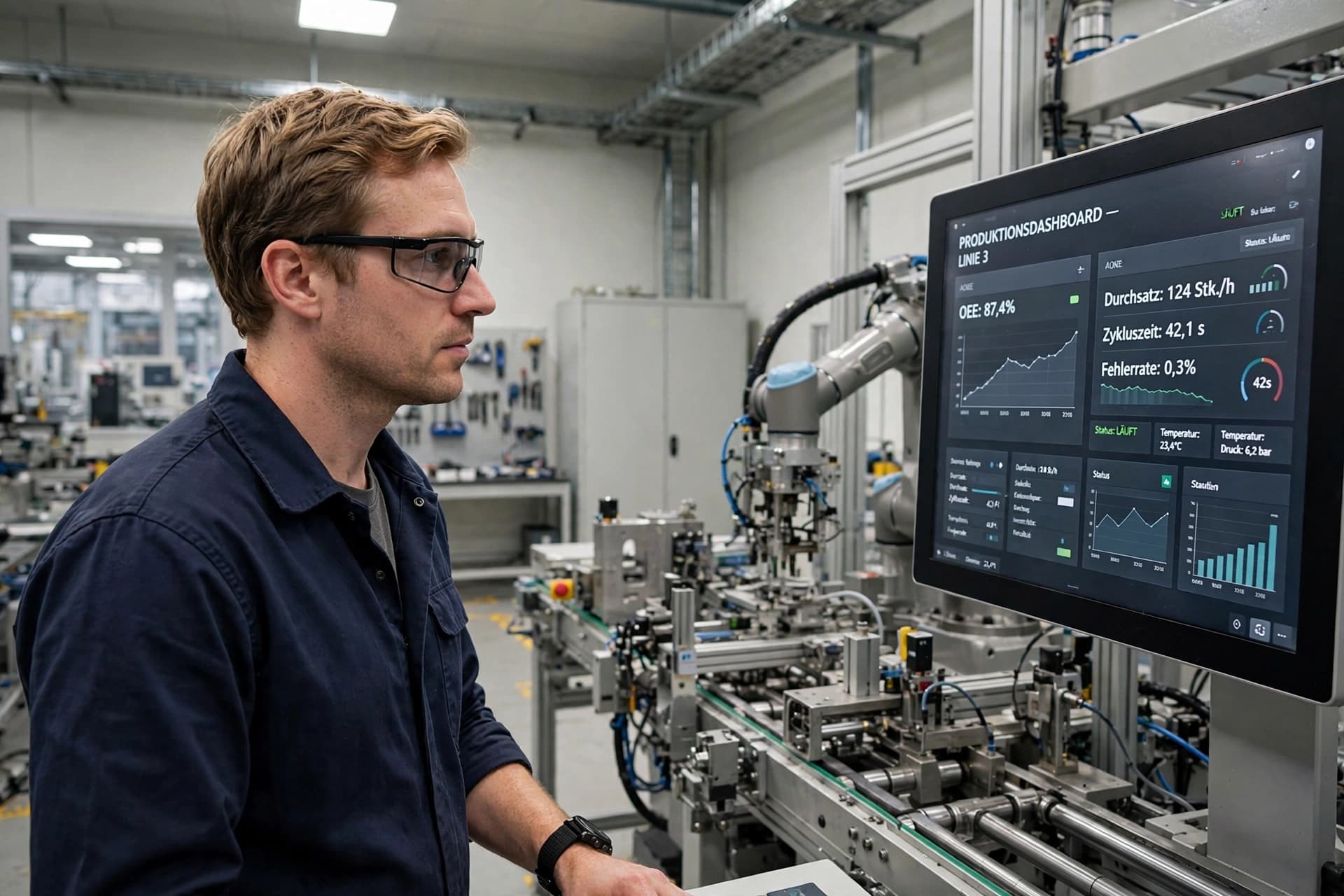
AI Image Disclaimer Illustrations were produced with AI and serve as conceptual depictions.
Sources DigiTimes Nikkei Asia 9to5Mac AppleInsider The Korea Economic Daily
Published by Banx Network. This article is part of the Banx decentralized media programme, powered by the BXE token on the XRP Ledger.