Interfaces are rarely treated as stories. They are expected to disappear, to serve without drawing attention, to become muscle memory rather than message. And yet, when they change — even slightly — they often reveal more about the future than press releases ever do.
Xbox Cloud Gaming’s newly refreshed design has begun to do just that. At first glance, the update feels incremental: cleaner layouts, softer motion, a stronger emphasis on personalization. But beneath that surface lies a quiet suggestion — that this is not just a cloud interface, but a preview of where Xbox’s broader console experience may be heading.
The design leans into spaciousness. Tiles breathe more easily. Navigation feels less rigid, more fluid, as though built to stretch across devices rather than anchor itself to a single screen. This matters in an ecosystem where the idea of “console” has already loosened, drifting between living rooms, laptops, and handhelds.
Cloud Gaming occupies a unique position inside Xbox’s strategy. It is both experimental and practical, a testing ground where ideas can be introduced without forcing them onto every player at once. Changes here arrive with less ceremony, but not less intention. What works in the cloud can migrate elsewhere.
What stands out most is the shift in emphasis. Games are framed not as owned objects but as accessible moments, ready to resume, continue, or discover. The interface feels designed for movement — between sessions, between devices, between states of play. It reflects an Xbox that sees itself less as hardware and more as a service shaped by continuity.
There is also restraint in the design. It does not chase spectacle or novelty. Instead, it refines familiarity, smoothing edges rather than redrawing the map. This suggests confidence — the sense that Xbox believes its core ideas are settled, and now require clarity rather than reinvention.
For longtime players, the interface may feel quietly anticipatory. Elements resemble what already exists on consoles, but slightly rebalanced, slightly calmer. The effect is less of disruption and more of alignment, as though pieces long developed in parallel are beginning to converge.
Of course, not every design experiment becomes doctrine. Interfaces change, revert, and evolve. But historically, cloud platforms have served as early signals — places where companies rehearse tomorrow in today’s margins.
If this redesign does point forward, then the future Xbox console UI may be less about commanding attention and more about dissolving friction. Less about where you are, more about what you were doing — and how quickly you can return.
Sometimes the future arrives not with a reveal, but with a refresh. And sometimes, all it takes to glimpse it is a menu that suddenly feels a little more intentional than before.
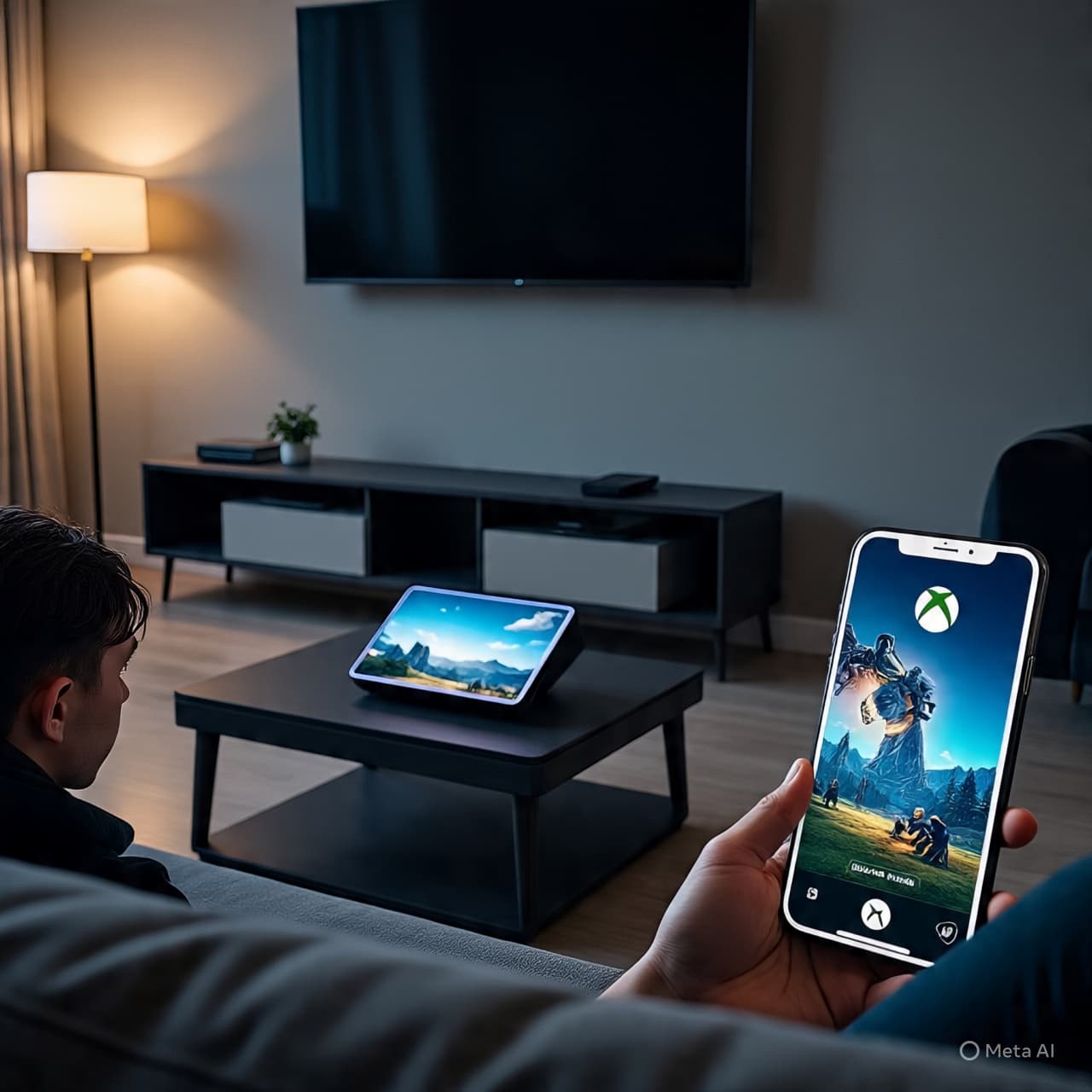
AI Image Disclaimer Visuals are AI-generated and serve as conceptual representations.
Sources The Verge Windows Central Xbox official announcements
Published by Banx Network. This article is part of the Banx decentralized media programme, powered by the BXE token on the XRP Ledger.