Borders are often lines of division, places where differences are emphasized and movement is restricted. But occasionally, a structure is built that seeks to span these divides, however tentatively. The opening of the first road bridge between North Korea and Russia is such a structure. It is more than concrete and steel; it is a symbol of shifting alliances and growing cooperation between two nations that have found common ground in their opposition to Western influence. This new link invites us to consider how infrastructure can serve as both a practical tool and a political statement in a complex world.
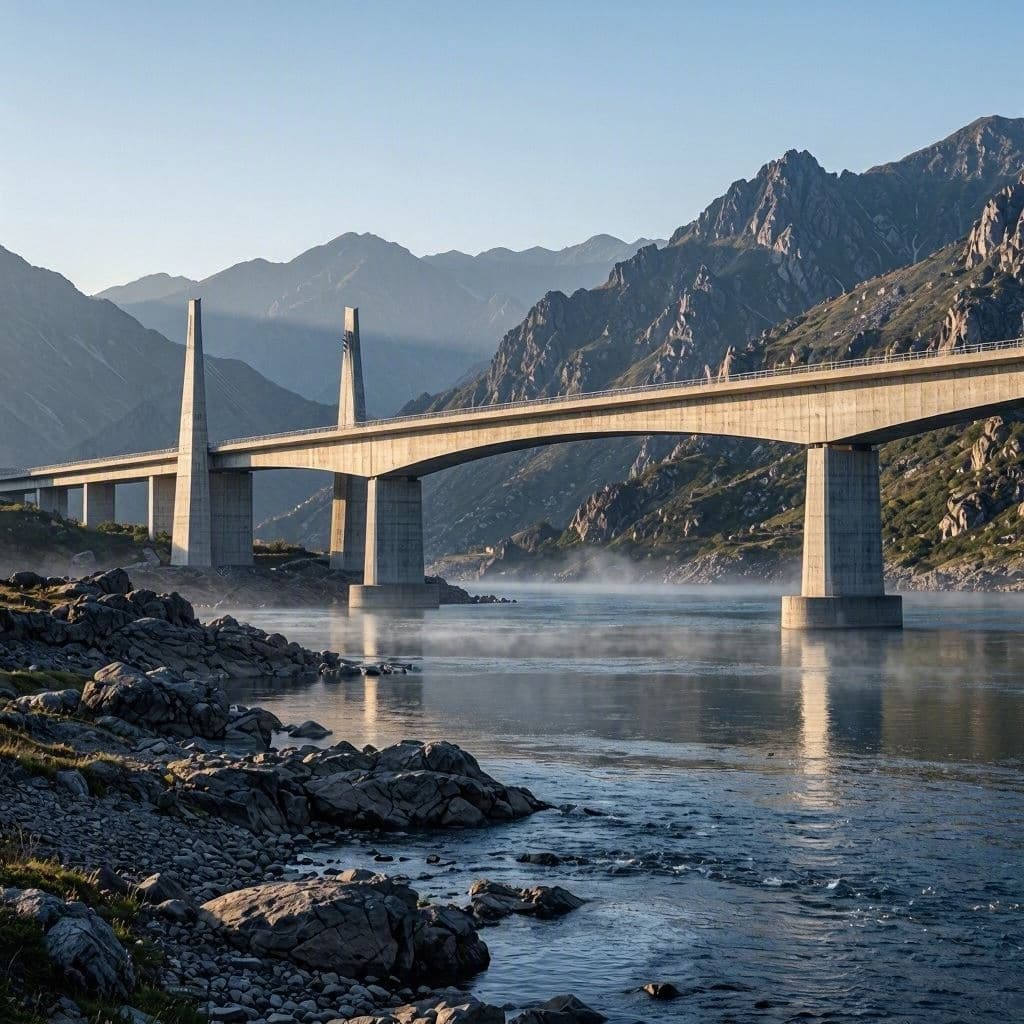
The bridge connects the Russian Far East with the northern border of North Korea, facilitating the movement of goods and people across the Tumen River. For years, this region has been relatively isolated, with limited cross-border interaction. The new infrastructure changes that dynamic, offering a direct route for trade and travel. While the volume of traffic may initially be modest, the symbolic weight of the connection is significant. It represents a tangible commitment to strengthening bilateral ties.
This development comes at a time when both nations are seeking to deepen their strategic partnership. Facing international sanctions and diplomatic isolation, North Korea and Russia have increasingly turned to each other for economic and military support. The bridge serves as a conduit for this cooperation, allowing for the easier transport of resources and technology. It is a practical solution to shared challenges, demonstrating how mutual interests can drive infrastructure projects even in difficult geopolitical climates.
For the local communities on either side of the border, the bridge offers potential economic benefits. Increased trade could bring jobs, investment, and access to new markets. However, there are also concerns about the nature of this trade and its implications for regional stability. Critics argue that closer ties between Pyongyang and Moscow could undermine international efforts to denuclearize the Korean Peninsula and maintain peace in Northeast Asia.
The construction of the bridge also highlights the engineering and logistical challenges of working in remote, harsh environments. Building in the Far East requires resilience and innovation, qualities that both nations have had to cultivate in the face of adversity. The completion of the project is a testament to their determination to overcome obstacles and achieve their strategic goals. It is a feat of coordination that reflects their growing alignment.
Internationally, the reaction has been mixed. Some view the bridge as a concerning escalation of collaboration between two pariah states, while others see it as a natural evolution of regional dynamics. Regardless of perspective, the bridge cannot be ignored. It is a physical fact that alters the geography of power in the region. Analysts will be watching closely to see how it influences future interactions between North Korea, Russia, and their neighbors.
The bridge also raises questions about the future of the Korean Peninsula. As North Korea strengthens its ties with Russia, it may feel less pressure to engage with South Korea or the United States. This could complicate efforts toward reunification or diplomatic resolution of longstanding conflicts. The solidification of this northern axis adds a new layer of complexity to an already intricate geopolitical puzzle.
As vehicles begin to cross the new span, they carry with them the hopes and anxieties of a changing world. The bridge is a reminder that no nation is an island, and that connections, whether desired or not, shape our collective future. It stands as a monument to the enduring human impulse to build, even amidst division.
The opening of the road bridge between North Korea and Russia marks a new chapter in their relationship. It symbolizes expanding ties and shared strategic interests. Let us observe its impact with careful attention to regional stability.
AI Image Disclaimer: The visuals accompanying this piece are AI-generated interpretations intended for illustrative purposes only.
Sources: BBC News Al Jazeera The Diplomat
Published by Banx Network. This article is part of the Banx decentralized media programme, powered by the BXE token on the XRP Ledger.