In the intricate dance of international diplomacy, words often carry as much weight as actions. In the Middle East, where historical grievances and strategic interests intertwine, rhetoric can quickly escalate into reality. Recently, tensions between Iran and the United States have reached a new peak, with Tehran issuing stern warnings of a harsher response to perceived provocations. It is a moment that demands careful attention and measured dialogue.
The latest flare-up stems from a series of incidents in the region, including disputed military movements and cyber operations. Iranian officials have stated that any further aggression will be met with disproportionate force, signaling a shift from previous defensive postures. This hardening stance reflects internal political pressures and a desire to project strength on the global stage. The language used is deliberate, aimed at deterring further escalation while rallying domestic support.
Washington, meanwhile, maintains that its actions are purely defensive and aimed at ensuring stability in the region. US officials have called for restraint, emphasizing the importance of de-escalation through diplomatic channels. However, the trust deficit between the two nations remains wide, making communication difficult. Each side interprets the other’s moves through a lens of suspicion, creating a cycle of action and reaction that is hard to break.
Regional allies are watching closely, concerned about the potential for broader conflict. Countries in the Gulf are caught in the middle, balancing their security partnerships with the US against their geographic proximity to Iran. They urge both sides to exercise caution, fearing that any miscalculation could disrupt energy supplies and regional peace. The stakes are high, not just for the two nations involved, but for the global economy.
Historical context plays a significant role in current tensions. Decades of sanctions, proxy conflicts, and ideological differences have created a deep-seated mistrust. Recent attempts at nuclear deal negotiations have stalled, leaving few formal avenues for dialogue. In this vacuum, informal channels and backdoor communications become vital, though often insufficient to prevent public posturing. The lack of a robust diplomatic framework exacerbates the risk of unintended conflict.
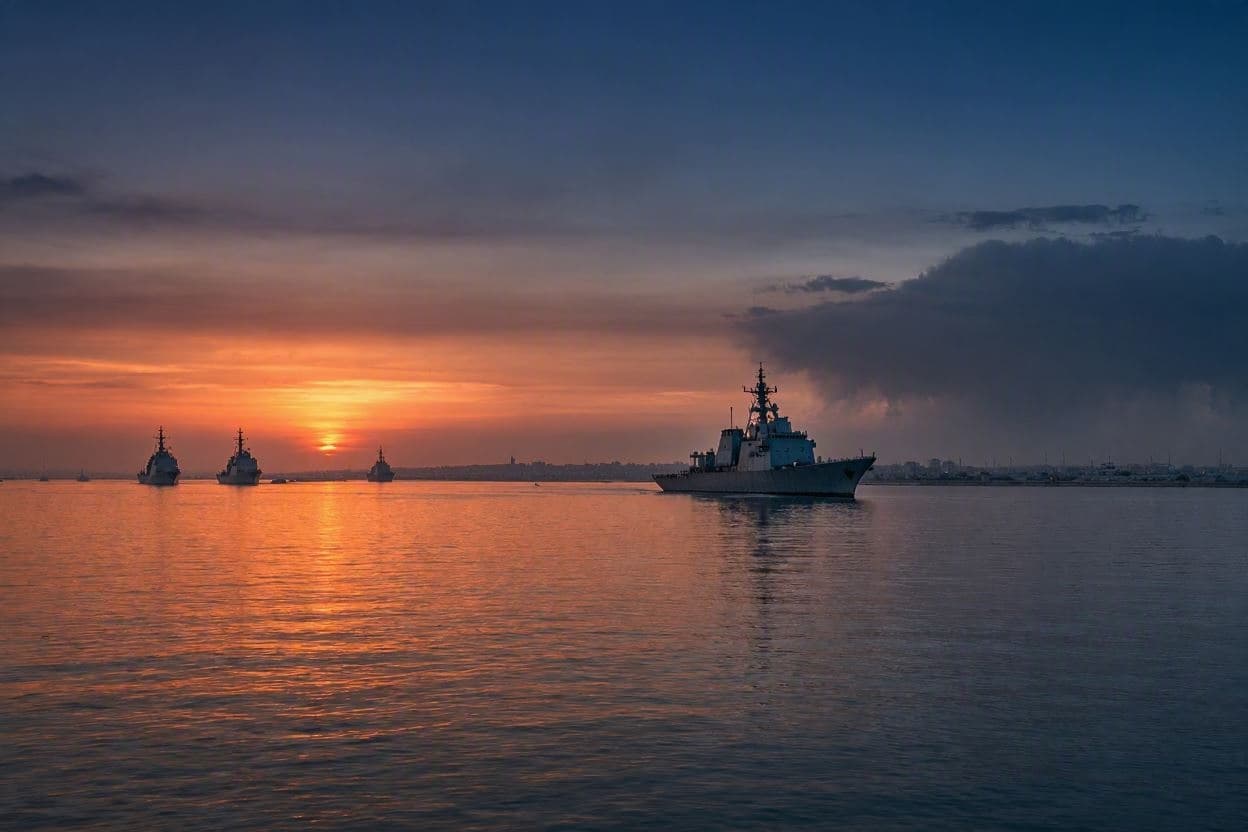
Military analysts note that both sides have increased their readiness levels, with naval assets repositioned and air defenses heightened. While neither side appears to seek full-scale war, the possibility of accidental engagement remains a serious concern. Small incidents can spiral quickly in such a tense environment. Vigilance and clear lines of communication are essential to prevent minor clashes from becoming major crises.
Public opinion in both countries also influences leadership decisions. In Iran, nationalist sentiment is strong, and leaders feel pressured to respond firmly to external threats. In the US, political debates over foreign policy intensity add another layer of complexity. Leaders must navigate domestic expectations while managing international responsibilities. It is a delicate balance of internal and external pressures. Diplomatic efforts continue behind the scenes, with international mediators urging both parties to step back from the brink. The coming weeks will be critical in determining whether dialogue can prevail over discord. The world watches, hoping for a return to stability and reasoned negotiation.
AI Image Disclaimer: The visual content associated with this report is generated by artificial intelligence and does not depict real individuals or specific events.
Sources: Reuters Al Jazeera BBC News The New York Times
Published by Banx Network. This article is part of the Banx decentralized media programme, powered by the BXE token on the XRP Ledger.