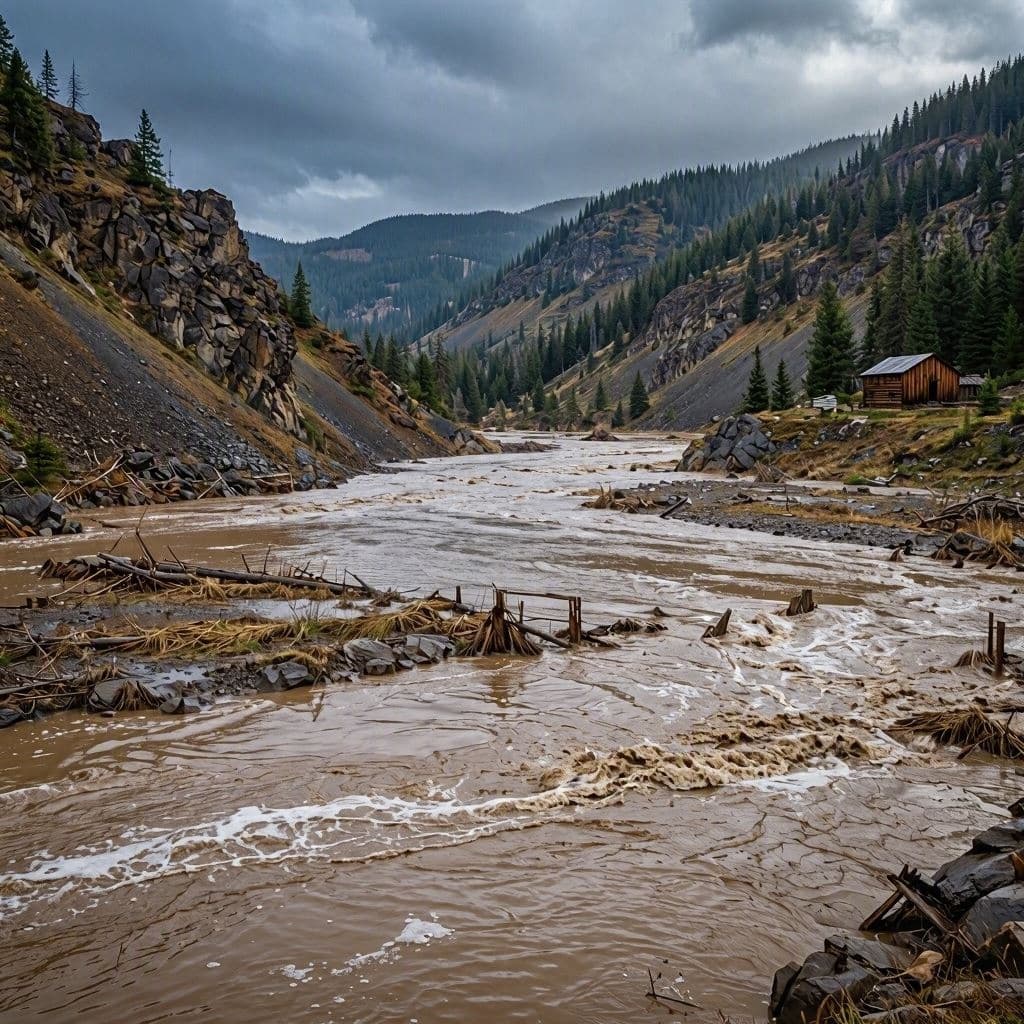
Water is the lifeblood of the Himalayas, carving valleys and sustaining communities for millennia. Yet, when the skies open with unrelenting fury, this vital resource can transform into a force of devastating destruction. Recent catastrophic flooding in Nepal and parts of China has claimed over 950 lives, leaving a trail of grief and displacement. Among the most harrowing aspects of this disaster is the fear that hundreds of workers remain trapped inside hydropower tunnels, cut off from the world by rising waters and collapsed earth.
The monsoon season, typically a time of agricultural renewal, has turned deadly due to intense rainfall and landslides. In mountainous regions, the terrain amplifies the danger, channeling water into narrow gorges with terrifying speed. Hydropower projects, often built in these remote and rugged areas, become vulnerable points where human engineering meets natural volatility. The tunnels, designed to harness energy, have inadvertently become tombs for those caught in the surge.
Rescue efforts are underway, but they face immense challenges. The instability of the ground, the risk of further landslides, and the sheer volume of water make access difficult and dangerous for emergency teams. Divers and specialized equipment are being deployed, but time is running out. Each hour brings a mix of hope and dread for the families waiting news of their loved ones.
The death toll, surpassing 950, underscores the scale of the tragedy. Entire villages have been swept away, bridges destroyed, and infrastructure crippled. For survivors, the loss is not just material but deeply personal, as communities are fractured and traditions disrupted. The psychological impact of such a sudden and violent event will linger long after the waters recede.
This disaster highlights the risks associated with rapid infrastructure development in ecologically sensitive zones. While hydropower offers clean energy, it requires careful planning and robust safety measures to withstand extreme weather events. As climate change intensifies precipitation patterns, the resilience of these structures is being tested like never before.
International aid and local solidarity have mobilized to support the affected regions. Food, shelter, and medical supplies are being distributed, offering a lifeline to those who have lost everything. The response reflects a collective humanity, reaching across borders to alleviate suffering in times of crisis.
As the search for the missing continues, the focus remains on saving lives and providing comfort to the bereaved. The incident serves as a somber reminder of nature’s power and the fragility of human endeavors in the face of environmental extremes. It calls for reflection on how we build, where we build, and how we prepare for the unpredictable.
Over 950 people have died in severe flooding across Nepal and China, with hundreds feared trapped in hydropower tunnels. Rescue operations continue amidst challenging conditions, highlighting the vulnerabilities of infrastructure in extreme weather.
AI Image Disclaimer: The images associated with this article are AI-generated and serve as visual interpretations rather than documentary evidence.
Sources: Reuters Al Jazeera The Kathmandu Post
Published by Banx Network. This article is part of the Banx decentralized media programme, powered by the BXE token on the XRP Ledger.