Hospitals are often imagined as carefully sealed worlds. Behind their doors, air is filtered, surfaces are cleaned, and every movement follows a choreography meant to protect those whose bodies are already fragile. It is a place where science and vigilance work quietly together, ensuring that recovery has the best possible chance.
Yet even in such controlled spaces, the outside world sometimes finds its way in—carried on dust, air currents, or the subtle disturbances that accompany change. In Sydney, that reminder arrived in the form of a fungus so ordinary in nature that it usually goes unnoticed.
But within a hospital ward filled with transplant patients, its presence carried a different weight.
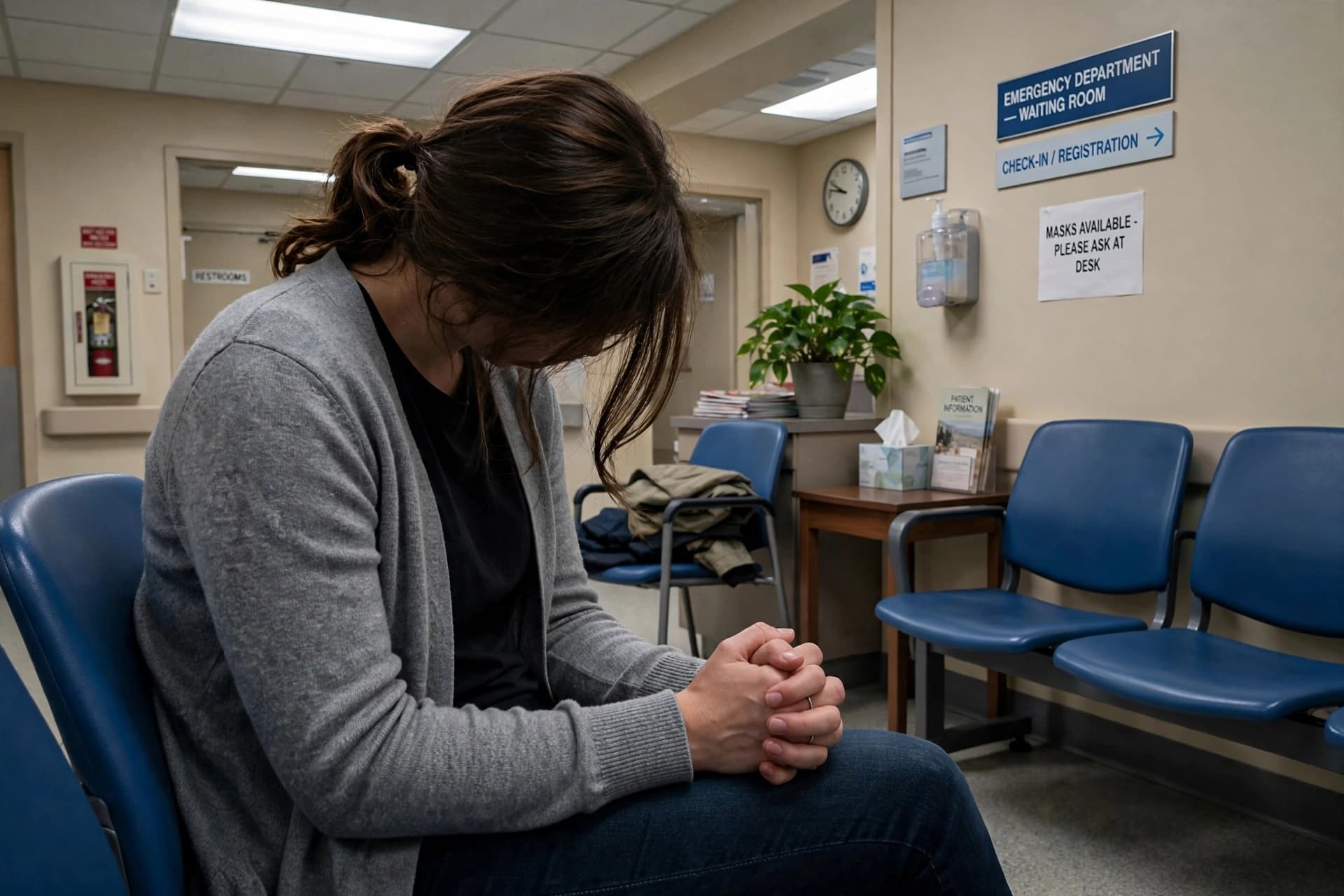
Health authorities in New South Wales have been grappling with the aftermath of a fungal infection cluster linked to a transplant unit at Royal Prince Alfred Hospital, one of Sydney’s major teaching hospitals. The outbreak, which emerged in late 2025, affected six patients and was associated with two deaths, prompting scrutiny of hospital safety measures and government oversight.
The infection was caused by Aspergillus, a type of mould commonly found in soil, dust, and damp environments. For most healthy people, exposure poses little risk. But for individuals whose immune systems are suppressed—such as organ transplant recipients—it can lead to severe and sometimes fatal illness.
The cluster was first detected when clinicians noticed several transplant patients developing rare fungal infections within a short period of time. Investigations soon pointed toward a possible environmental source.
Attention turned to a major redevelopment project underway adjacent to the hospital complex. Construction, while essential for expanding modern healthcare facilities, can also disturb soil and building materials, releasing fungal spores into the air. In medical environments where vulnerable patients are treated, strict monitoring of air quality is usually required to prevent such exposure.
According to officials and subsequent reviews, the construction activity likely contributed to the release of Aspergillus spores that eventually reached the transplant ward.
The situation has since drawn political attention as questions emerged about communication and oversight during the outbreak.
New South Wales Health Minister Ryan Park has faced scrutiny after it was revealed that his office was not informed of the situation immediately after clinicians detected the infections. Hospital management began investigating the cluster in early December, but the minister has said he only became fully aware of the deaths and illnesses weeks later.
Park has rejected allegations of negligence, stating that medical teams had already taken steps to manage the situation and protect patients while the investigation was underway. Measures included enhanced air filtration, antifungal treatments, deep cleaning, and temporary adjustments to ward operations.
At the same time, the incident prompted a broader review of maintenance and infrastructure issues across hospitals in the state. That review identified more than a hundred non-routine maintenance concerns in various facilities, ranging from roof leaks to pest infestations and environmental contamination risks.
Many of those issues have already been resolved or are currently being addressed, according to health authorities. Officials say the review is intended to ensure that aging infrastructure and complex hospital environments continue to meet modern safety standards.
Medical experts note that fungal outbreaks linked to construction are rare but well-documented in hospital settings. Even highly advanced medical centers must remain vigilant whenever large building projects take place nearby, especially in wards housing patients with weakened immune systems.
For the families affected, the event remains a painful chapter. For health administrators and policymakers, it has become a reminder of how delicate the balance can be between progress and protection.
Hospitals evolve constantly—new wings rise, equipment advances, and treatments improve. But as the buildings change, the invisible environment around them must also be carefully guarded.
Investigations into the outbreak continue, and health authorities say lessons from the incident will inform future safety practices across New South Wales hospitals. In the meantime, the transplant ward at Royal Prince Alfred Hospital has resumed operations following expert review and additional safety measures.
The episode has not altered the central purpose of hospitals: to heal. But it has quietly underscored a truth that healthcare systems around the world continue to confront—that vigilance must extend even to the air itself.
Image Disclaimer Graphics are AI-generated and intended for representation, not reality.
Sources ABC News Australia The Guardian The Canberra Times AAP News Daily Telegraph (Australia)
Published by Banx Network. This article is part of the Banx decentralized media programme, powered by the BXE token on the XRP Ledger.