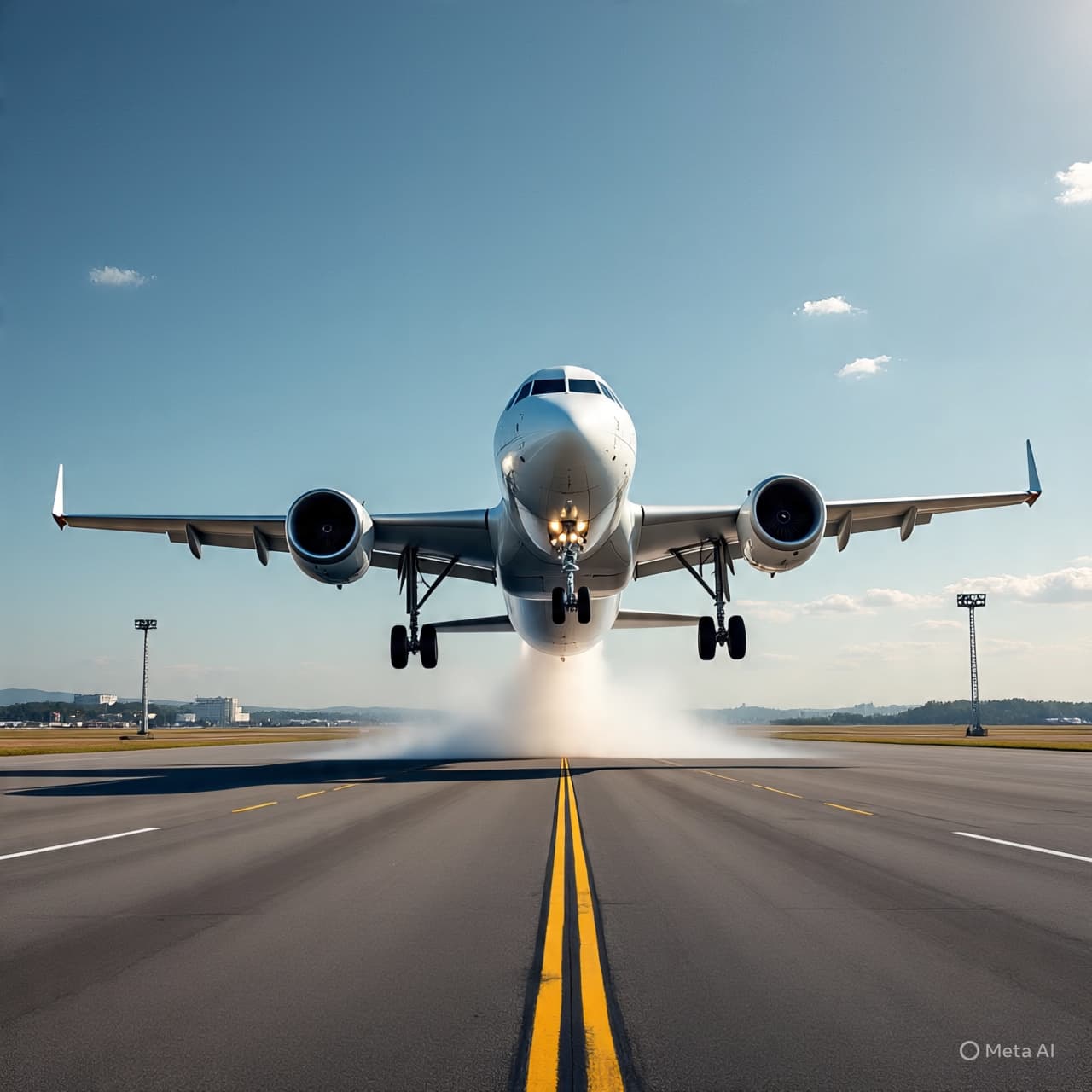
On a runway marked more by intention than spectacle, a new aircraft rose into the air and returned without a human hand on the controls. The moment passed quickly, but its implications may linger far longer.
China has completed the maiden flight of the Tianma-1000, an unmanned cargo aircraft designed for logistics transport and emergency response missions, according to state media. The test flight, reported over the weekend, marked a milestone in the country’s growing effort to expand the role of large unmanned aerial systems beyond surveillance and into practical, civilian-oriented operations.
The Tianma-1000 sits in a category that has been quietly gaining attention across the aviation industry: medium-to-large unmanned cargo aircraft capable of carrying meaningful payloads over significant distances. Unlike smaller delivery drones built for short hops, aircraft of this class are intended to move supplies to remote areas, disaster zones, or infrastructure-poor regions where speed and access matter more than volume.
Design details released so far emphasize versatility. The aircraft is positioned as a platform that could support emergency relief after natural disasters, deliver medical supplies, or reinforce logistics chains disrupted by terrain or weather. In a country frequently affected by floods, earthquakes, and landslides, such capabilities are framed as practical tools rather than experimental luxuries.
The flight also reflects a broader shift in how unmanned aviation is being imagined. For years, discussions around drones have been dominated by military use or last-mile consumer delivery. Cargo aircraft like the Tianma-1000 suggest a middle space — one where autonomy supports national logistics resilience, industrial supply chains, and emergency preparedness.
Globally, aviation regulators and manufacturers are watching this segment closely. Autonomous cargo flight raises fewer immediate concerns than passenger transport, while offering clear economic and operational incentives. Reduced crew requirements, flexible deployment, and lower operating costs make unmanned cargo systems an attractive testing ground for wider adoption of autonomous aviation technologies.
Still, challenges remain. Airspace integration, safety certification, and reliability under complex weather conditions will determine how quickly such aircraft move from test flights to routine operations. Public acceptance, too, will evolve gradually, shaped by performance rather than promises.
For now, the Tianma-1000’s first flight stands as a measured step rather than a dramatic leap. It does not redefine aviation overnight, but it quietly adds another data point to a changing picture — one where logistics, automation, and response capability increasingly intersect.
As the aircraft touched back down, the runway looked much the same as before. But above it, a new possibility had briefly taken flight.
AI Image Disclaimer: This article includes AI-generated images for illustrative purposes only.
Sources: China Central Television Reuters South China Morning Post
Published by Banx Network. This article is part of the Banx decentralized media programme, powered by the BXE token on the XRP Ledger.