There are moments when a city pauses, even briefly, to listen more closely. Not to the roar of traffic or the rhythm of construction, but to the quieter signals that ripple through public health channels. In a place as vast and vibrant as New York City, news rarely travels softly. Yet sometimes it arrives not as alarm, but as a reminder.
Health officials have confirmed the first case of measles in New York City this year. The announcement, delivered through the city’s health department, marks a familiar pattern seen in global cities where international travel and dense populations intersect. While a single case does not define a trend, it does draw attention to a virus known for its ability to spread swiftly when conditions allow.
Measles is among the most contagious infectious diseases. The virus can linger in the air for up to two hours after an infected person has left a room. Early symptoms often resemble common respiratory illness — fever, cough, runny nose — before the characteristic rash appears. Because of its high transmissibility, even one confirmed case prompts a careful and coordinated public health response.
Officials report that contact tracing is underway to identify individuals who may have been exposed. Healthcare providers across the city have been notified to remain alert for potential symptoms, particularly among those who are unvaccinated or have recently traveled internationally. The health department has not indicated evidence of widespread community transmission at this time.
The measles, mumps, and rubella (MMR) vaccine remains the primary safeguard. Two doses are highly effective in preventing infection. Public health experts frequently emphasize that maintaining high vaccination rates is essential to protecting those who cannot be vaccinated, including certain infants and individuals with specific medical conditions. In a city of more than eight million residents, community immunity forms an invisible but vital layer of protection.
New York has faced measles outbreaks in past years, most notably in 2019, when concentrated clusters required significant public health intervention. Since then, vaccination outreach and monitoring have remained priorities. Health officials continue to encourage residents to review immunization records and consult healthcare providers with any questions.
For now, authorities describe the situation as contained but under active monitoring. The case serves as a reminder of how interconnected modern life has become, where global travel can reintroduce diseases that once seemed distant. City health leaders affirm that established protocols are in place and that updates will be provided as necessary.
AI IMAGE DISCLAIMER
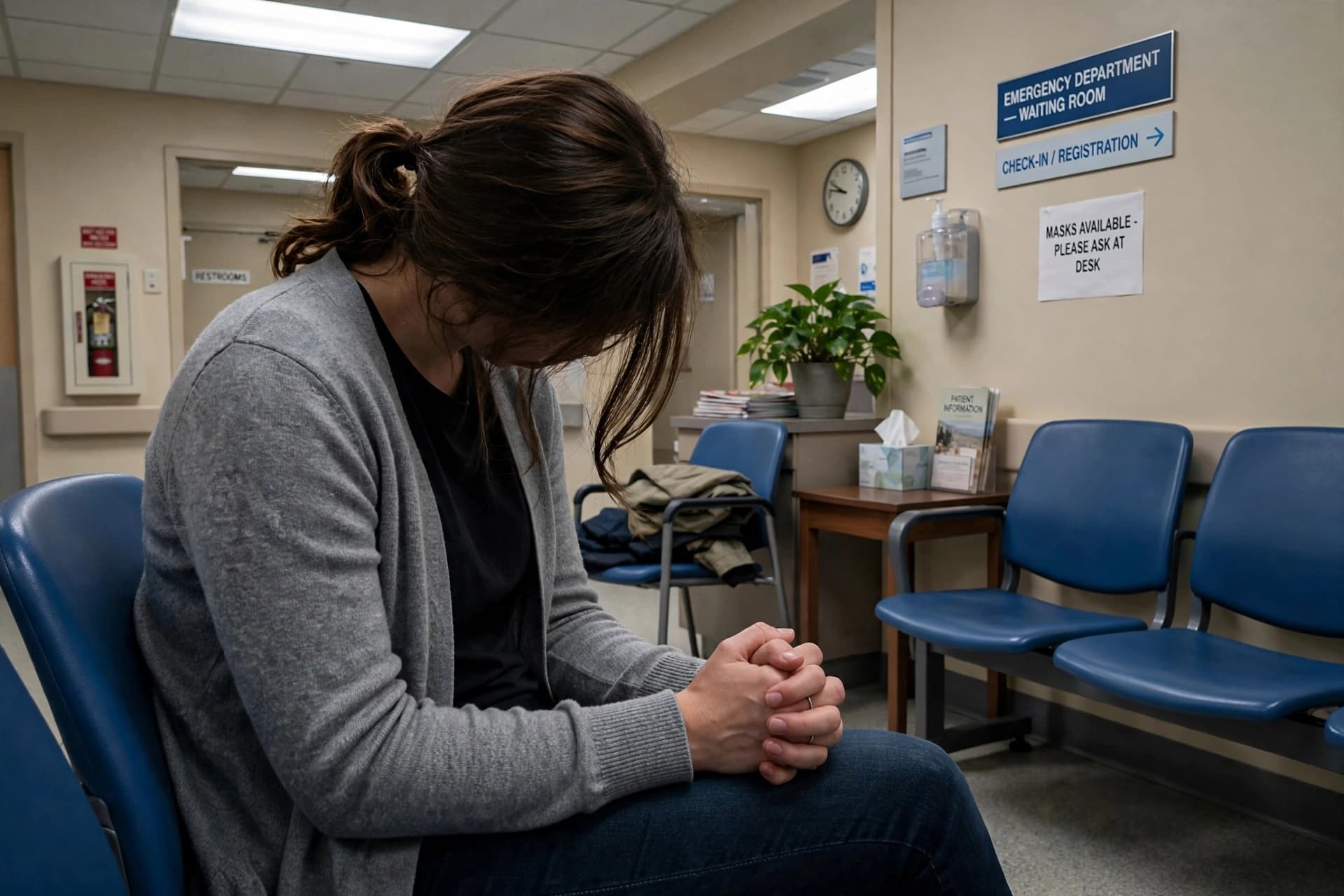
Images in this article are AI-generated illustrations, meant for concept only.
SOURCES (Media Names Only)
Centers for Disease Control and Prevention Reuters Associated Press The New York Times ABC News
Published by Banx Network. This article is part of the Banx decentralized media programme, powered by the BXE token on the XRP Ledger.