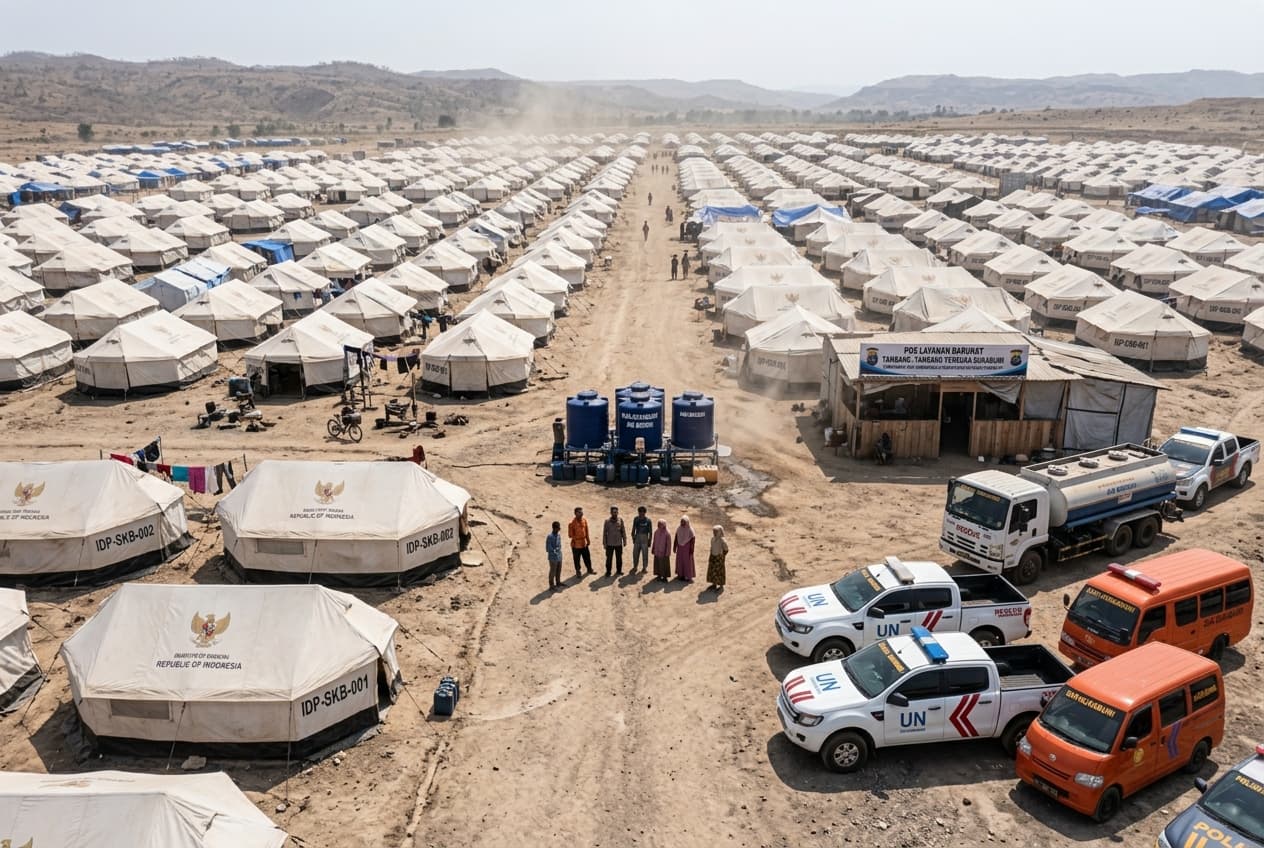
Morning arrived gently in Bornerbroek, as it often does, with fields resting under pale winter light and the muted rhythm of rural life continuing as if nothing had changed. Yet beneath that calm surface, an invisible presence had returned — one that carries no sound, no shape, only consequence. Once again, bird flu had found its way into the quiet corners of the village.
The discovery unfolded not with drama, but with procedure. Tests confirmed the presence of avian influenza at a poultry farm, setting in motion a response shaped by experience and caution. Authorities moved quickly, guided by protocols refined through earlier outbreaks. For the farmers and workers on the ground, however, the process felt anything but routine. Familiar steps still carried emotional weight.
All 70,000 animals at the affected location were culled to prevent further spread. It was a decision rooted in containment rather than punishment, taken to protect neighboring farms and the wider poultry sector. Around the site, movement restrictions were imposed, limiting transport and increasing surveillance in surrounding areas. Each measure, though technical in design, quietly altered the daily patterns of the community.
This was not Bornerbroek’s first encounter with the disease. The recurrence itself added a sense of weariness — the kind that comes not from surprise, but from recognition. Farmers who have lived through earlier episodes understand how swiftly uncertainty can settle in. For them, the loss is measured not only in numbers, but in time, care, and continuity interrupted.
Authorities emphasized that bird flu poses limited risk to the general public, and food safety remains intact. Still, the presence of the virus reshapes conversations, replacing ordinary talk with updates, precautions, and waiting. Veterinary teams continue monitoring nearby holdings, watching closely for signs that might otherwise go unnoticed.
In moments like these, rural life reveals its quiet resilience. Work continues, even as questions linger. The barns stand emptied, the routines paused, and the village absorbs the news in its own measured way — not loudly, but deeply.
As cleanup and monitoring move forward, the focus remains on preventing further infections. Investigations will seek to understand how the virus entered the farm, while biosecurity measures are reinforced across the region. For now, Bornerbroek returns to its stillness, carrying the knowledge that vigilance, once again, has become part of everyday life.
AI Image Disclaimer Illustrations were produced with AI and serve as conceptual depictions only.
Sources NOS RTL Nieuws Algemeen Dagblad NU.nl De Telegraaf
Published by Banx Network. This article is part of the Banx decentralized media programme, powered by the BXE token on the XRP Ledger.