The corridors of power in Washington are often filled with the confident hum of strategy, but lately, that sound has been replaced by a quieter, more anxious murmur. As the conflict with Iran drags on without a clear resolution, allies across Europe and the Middle East are beginning to voice a concern that was once unthinkable: the possibility of an American strategic defeat. This is not a defeat measured in lost battles or occupied territory, but in the erosion of influence, the closing of vital trade routes, and the growing perception of a superpower stretched thin by its own ambitions.
Body: The Strait of Hormuz, the narrow waterway through which a significant portion of the world’s oil supply flows, remains closed, a chokehold on the global economy that has persisted for months. Despite intense diplomatic efforts and military posturing, the United States has been unable to reopen the strait or compel Iran to de-escalate. For allies who depend on stable energy markets, this stagnation is not just an inconvenience but a profound security failure. The promise of "maximum pressure" has yielded maximum uncertainty, leaving partners to question the reliability of American guarantees.
European capitals, in particular, are grappling with the economic fallout. Industries that rely on steady energy imports are facing rising costs and supply chain disruptions. Governments are forced to implement emergency measures, diverting resources from other critical areas such as healthcare and infrastructure. The frustration is palpable, with some leaders privately expressing regret over their alignment with U.S. policies that they now view as counterproductive. The unity of the Western alliance, once a cornerstone of global stability, is showing signs of strain.
In the Middle East, the situation is even more precarious. Regional partners who looked to the U.S. for protection against Iranian influence now find themselves exposed. The inability to secure the seas or deter proxy attacks has emboldened adversaries and weakened the confidence of friends. Some nations are beginning to explore alternative security arrangements, seeking to diversify their alliances and reduce their dependence on a partner that appears increasingly distracted and ineffective.
Domestically, the war has become a polarizing issue, with debates over its cost and purpose dominating political discourse. The lack of a clear exit strategy has fueled public discontent, eroding support for the administration’s foreign policy agenda. Critics argue that the mission has drifted from its original objectives, becoming a quagmire that drains resources without delivering tangible results. This internal division further complicates efforts to present a united front to the international community.
Military experts point to the complexity of the conflict as a key factor in the stalemate. Iran’s asymmetric warfare tactics, including drone strikes and cyberattacks, have proven difficult to counter with conventional forces. The U.S. military, while powerful, finds itself constrained by political limitations and the risk of escalation. Each attempt to assert dominance is met with a proportional response that keeps the conflict simmering without ever reaching a boiling point that might force a resolution.
The human cost of this strategic impasse is also significant. Soldiers remain deployed in dangerous conditions, families wait for their return, and communities bear the emotional burden of prolonged uncertainty. The moral weight of a conflict without end weighs heavily on the national conscience, raising questions about the value of sacrifice when the goals are unclear. It is a sobering reminder that power, no matter how great, has its limits.
As the U.S. navigates this challenging period, the fear of strategic defeat looms large. For allies and adversaries alike, the outcome will define the future of global order. Whether America can regain its footing or whether this moment marks a turning point in its decline remains to be seen, but the anxiety among its partners is a clear signal that the status quo is unsustainable.
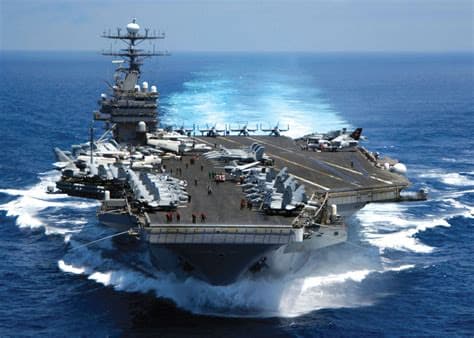
AI Image Disclaimer: The visuals accompanying this article are AI-generated illustrations designed to represent the themes of geopolitical strategy and international relations.
Sources: The New York Times, Al Jazeera, Time Magazine, Georgetown Journal of International Affairs
Published by Banx Network. This article is part of the Banx decentralized media programme, powered by the BXE token on the XRP Ledger.