News of disease often arrives softly, almost indistinguishably, before it gathers weight. In Bangladesh, that quiet moment came with confirmation of the country’s first Nipah virus case of 2026—a single diagnosis that nonetheless carries the gravity of past outbreaks and hard-earned vigilance.
Health authorities reported that the patient tested positive following symptoms consistent with the virus, which is known for its severity and high fatality rate. The case immediately activated established response protocols: contact tracing, isolation measures, and monitoring of those who may have been exposed. For officials, this was not unfamiliar terrain, but a scenario rehearsed repeatedly in a country where Nipah has surfaced periodically over the years.
Nipah virus is not a fast-moving pandemic pathogen, but its threat lies in its unpredictability. Transmitted primarily from fruit bats to humans—often through contaminated food such as raw date palm sap—it can also spread through close human contact. Outbreaks tend to be localized, but their consequences can be devastating, making early detection crucial.
Bangladesh’s experience has shaped a cautious public health posture. Surveillance systems have been refined, community awareness campaigns sustained, and healthcare workers trained to recognize symptoms early. This first case of the year is being treated as a warning rather than an escalation, a signal to reinforce measures already in place.
Officials have stressed that there is no indication of widespread transmission at this stage. The patient is under care, and investigations are ongoing to determine the source of infection. Past patterns suggest that swift containment can prevent broader spread, but authorities remain alert, aware that delays—even brief ones—can change outcomes.
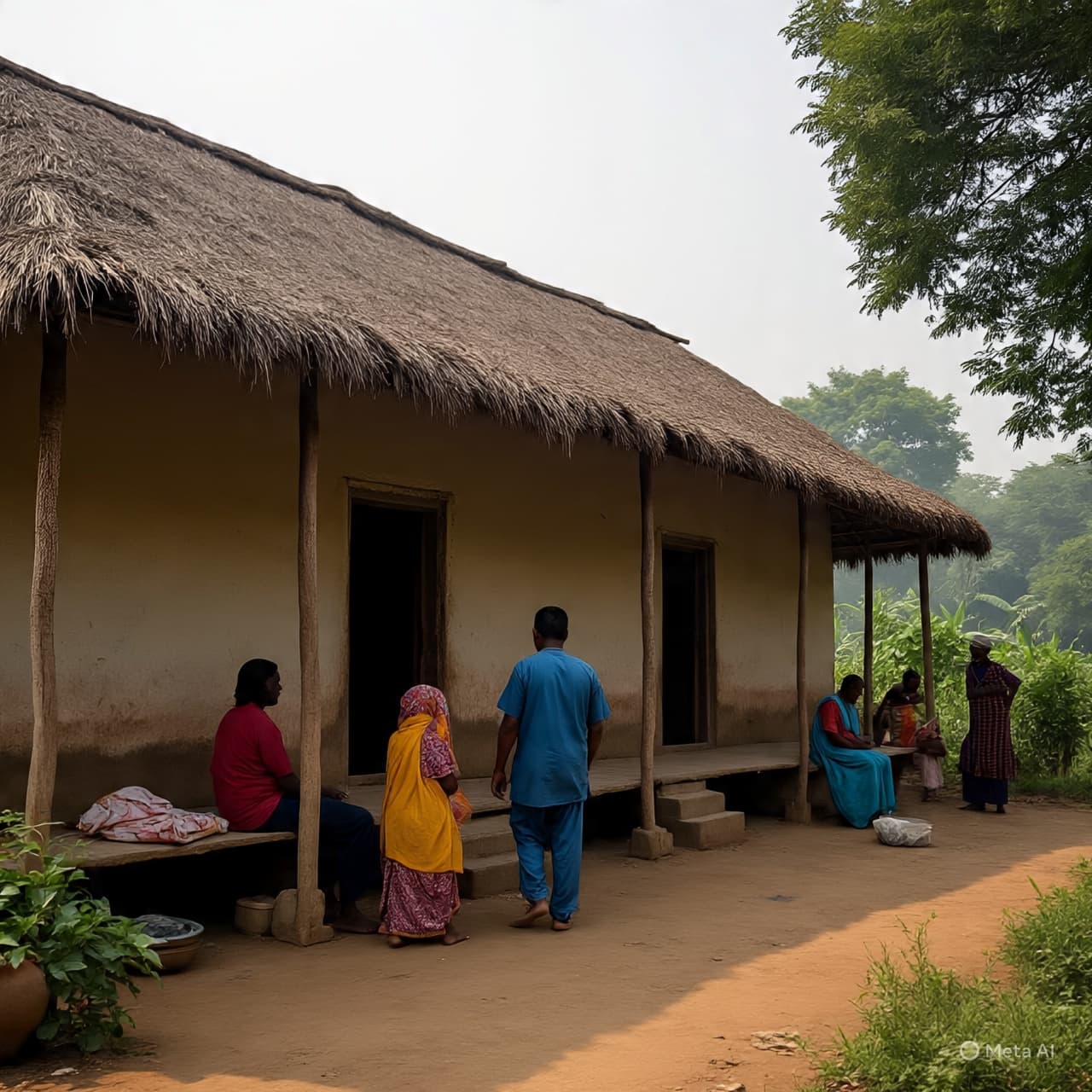
For the public, the announcement revives a familiar unease. Nipah’s history in the region has left an imprint, particularly in rural communities where livelihoods intersect closely with natural reservoirs of the virus. Health messages once again emphasize avoidance of raw date palm sap, prompt medical consultation for symptoms, and cooperation with monitoring efforts.
As the year unfolds, this first case will likely be followed closely but cautiously. It does not define 2026, nor does it predict an outbreak. Instead, it marks a moment of attention—a reminder that some threats persist quietly, returning not with spectacle, but with the need for steady preparedness.
In that sense, the response matters as much as the virus itself. How quickly information moves, how carefully measures are applied, and how calmly communities respond will shape what comes next. For now, Bangladesh stands in watchful balance, treating one case not as an alarm, but as a test of readiness.
AI Image Disclaimer
Illustrations were created using AI tools and are not real photographs.
Sources
Bangladesh Ministry of Health World Health Organization Centers for Disease Control and Prevention Reuters
Published by Banx Network. This article is part of the Banx decentralized media programme, powered by the BXE token on the XRP Ledger.