Disease outbreaks often test more than healthcare systems alone. They also challenge transportation networks, local institutions, and the ability of communities to work together under difficult circumstances. In regions affected by instability, those challenges can become even more pronounced.
Health authorities in the Democratic Republic of the Congo have reported that the current Ebola outbreak has reached approximately 550 recorded cases, including 100 deaths. Officials say ongoing conflict in parts of the affected region has complicated efforts to contain transmission and deliver medical assistance.
Ebola is a severe viral disease that spreads through direct contact with bodily fluids of infected individuals or contaminated materials. Since its identification in 1976, outbreaks have occurred periodically in Central and West Africa, prompting international public health responses.
According to health officials, response teams continue conducting case investigations, contact tracing, community outreach, and treatment efforts. These measures remain among the most important tools for slowing transmission and preventing additional infections.
However, security concerns have limited access to some communities. Humanitarian organizations report that movement restrictions and safety risks can delay medical interventions, surveillance activities, and the delivery of supplies.
International agencies, including the World Health Organization, have supported local authorities through technical expertise, laboratory resources, vaccination campaigns, and emergency response coordination. Such partnerships have played an important role in previous Ebola outbreaks.
Public health specialists note that rapid identification of cases remains critical. Early detection improves treatment opportunities and helps reduce the likelihood of wider community spread.
Despite the challenges, healthcare workers and local responders continue operating in affected areas. Their efforts focus on strengthening surveillance, supporting patients, and expanding access to prevention measures wherever conditions allow.
As response operations continue, health authorities remain focused on limiting transmission and protecting vulnerable communities. The outbreak underscores the importance of sustained public health capacity, particularly in regions facing both medical and security challenges.
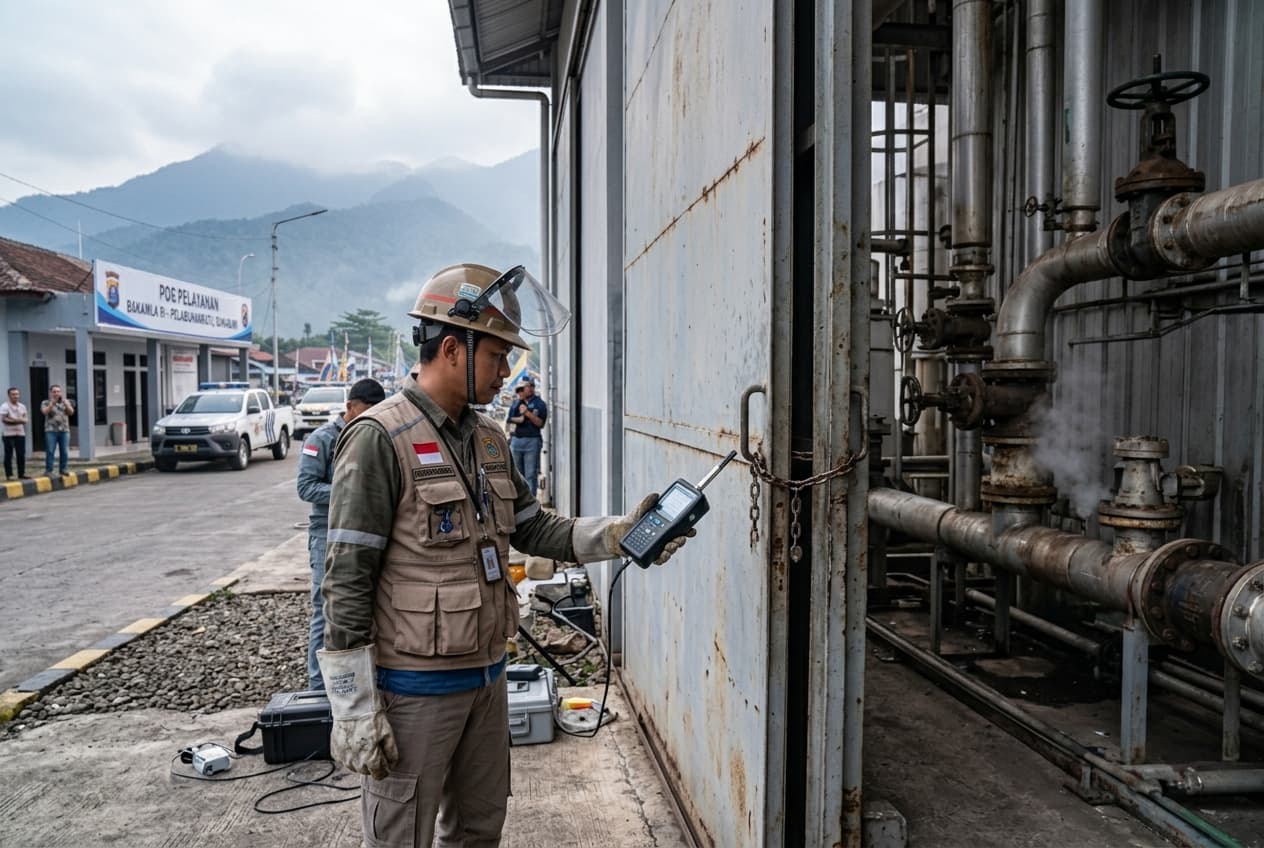
AI Image Disclaimer: This article includes an AI-generated illustration created to support understanding of the reported public health situation.
Sources (Verification Check) Reuters World Health Organization United Nations Médecins Sans Frontières Africa CDC
Published by Banx Network. This article is part of the Banx decentralized media programme, powered by the BXE token on the XRP Ledger.