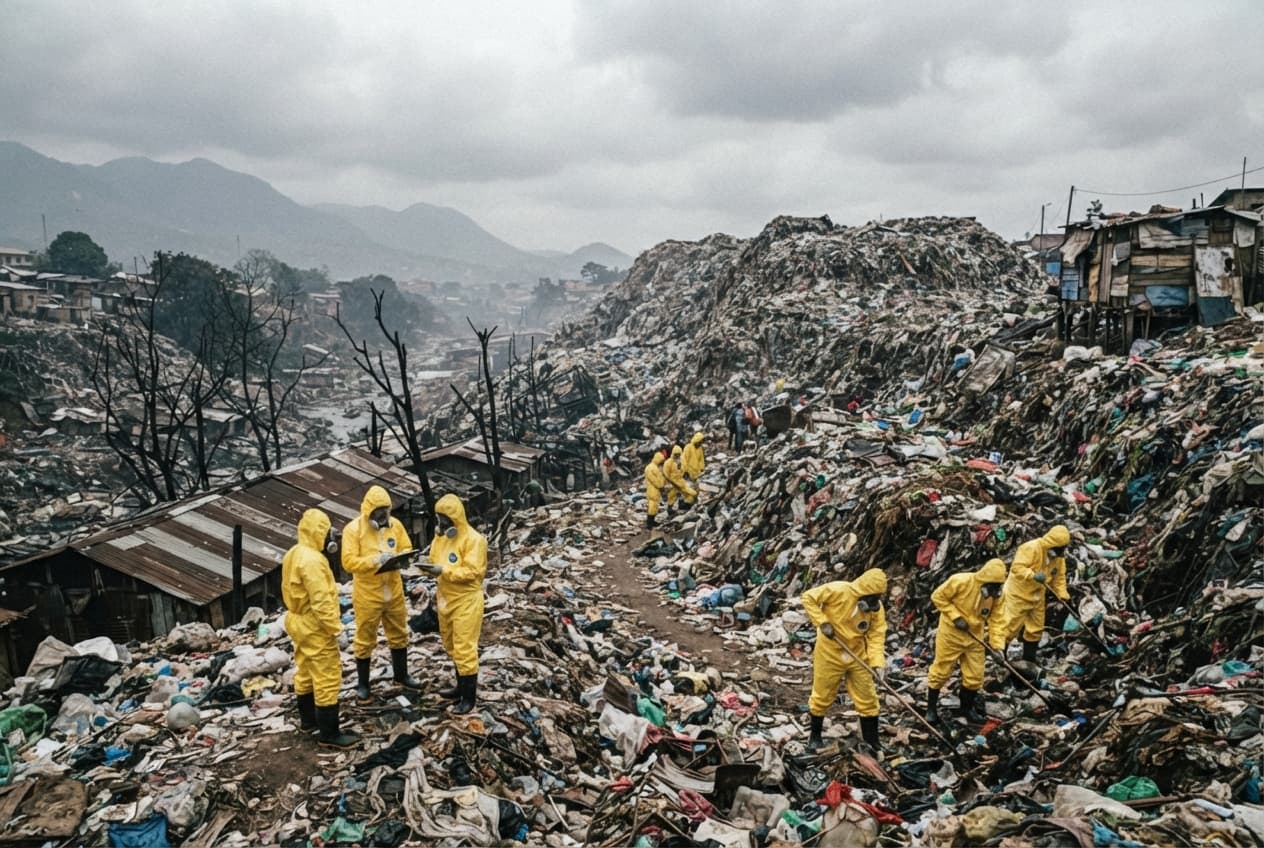
In a world marked by deepening humanitarian needs — from conflict zones to climate‑driven disasters — the role of global aid has rarely felt more urgent. On Monday, December 29, 2025, the United States pledged $2 billion in humanitarian support to the United Nations, a commitment announced by a U.S. State Department official in Geneva as nations grapple with funding shortfalls and soaring human need.
The pledge, directed toward the UN’s humanitarian apparatus for 2026, comes at a moment of financial strain for international aid systems. This year saw a dramatic reduction in U.S. foreign assistance — with total humanitarian contributions to the United Nations falling to approximately $3.38 billion in 2025 — down sharply from $14.1 billion the previous year.
The $2 billion commitment will form a core element of the United Nations’ Office for the Coordination of Humanitarian Affairs (OCHA) funding appeal, aiming to support efforts to feed, shelter, and protect millions of people suffering from hunger, disease and displacement. In launching the 2026 global humanitarian appeal, the U.N. set a target of $23 billion to help around 87 million vulnerable people — though this figure was nearly half the scale of appeals from recent years due to pervasive donor cutbacks.
The U.S. pledge underscores a broader shift in the international aid landscape. Following major cuts to foreign assistance under the current administration, the United States — historically one of the largest contributors to United Nations humanitarian efforts — has signaled that future funding will be more selective and tied to broader reforms. U.S. officials have discussed creating consolidated funding mechanisms that streamline how aid is distributed to crises, emphasizing efficiency and accountability.
Critics and humanitarian advocates have expressed concern that the reduced level of support — a small fraction of past U.S. contributions that once reached up to $17 billion annually — may leave pressing needs unmet in some of the world’s most vulnerable regions. Humanitarian crises in places such as Sudan, Gaza, Yemen, and parts of East Africa continue to drive demand for life‑saving assistance even as donor resources tighten.
Supporters of the funding decision argue that, while smaller than historical levels, the $2 billion pledge reinforces America’s enduring role as a humanitarian donor and helps sustain essential life‑saving operations at the United Nations. They emphasize the need for modernized aid delivery systems that avoid duplication and better align resources with strategic priorities.
As relief agencies prepare to allocate these funds across multiple emergency responses in 2026, the pledge sets the tone for the coming year — one defined by urgent questions about how the global community balances finite resources with infinite needs. Whether this level of support will be sufficient to meet spiraling humanitarian demands remains a central test for both policymakers and aid practitioners in the months ahead.
AI IMAGE DISCLAIMER “Visuals are created with AI tools and are not real photographs.”
SOURCES Reuters Associated Press AFP (via media re‑reports) The Washington Post The Business Standard
Published by Banx Network. This article is part of the Banx decentralized media programme, powered by the BXE token on the XRP Ledger.