In the quiet corridors of global health policy, where progress is often measured in lives saved and infections prevented, a troubling trend has emerged. The Joint United Nations Programme on HIV/AIDS (UNAIDS) has warned that the world risks a resurgence of the epidemic as external funding drops by 18%. This decline, driven by shifting political priorities and economic pressures, threatens to undo decades of hard-won gains in prevention, testing, and treatment. For millions who rely on these services, the news is not just a statistic but a potential return to uncertainty and fear.
The warning comes at a time when the end of AIDS seemed within reach. Now, the path forward is obscured by financial shortfalls, reminding us that public health achievements are fragile and require sustained commitment.
Body: According to recent reports, external financing for HIV programs fell significantly in 2025, with some estimates suggesting a drop of up to 23% across all development sectors. This reduction has had immediate consequences, including a 22% decline in HIV testing in high-burden settings and a sharp decrease in the uptake of pre-exposure prophylaxis (PrEP), a key prevention tool. The freezing of certain foreign assistance funds further exacerbated the situation, disrupting supply chains and support services.
For young women and girls in sub-Saharan Africa, who remain disproportionately affected by the virus, the impact is particularly severe. Programs tailored to their needs have faced cuts, leaving them more vulnerable to infection and less able to access care. The gender gap in HIV outcomes, which had been narrowing, now risks widening again, reversing years of progress toward equality.
The funding crisis also affects the availability of antiretroviral therapy (ART), which keeps people living with HIV healthy and prevents transmission. While many countries have made strides in domestic financing, they still rely on international support to fill gaps. A sudden withdrawal of funds can lead to stockouts of medication, forcing patients to interrupt treatment and increasing the risk of drug resistance.
UNAIDS Executive Director Winnie Byanyima has described the current moment as "perilous," urging donors and governments to reaffirm their commitments. She emphasizes that investing in HIV responses is not only a moral imperative but also an economic one, as preventing new infections saves billions in future healthcare costs. The call for solidarity is loud, but the response has been mixed.
Civil society organizations and community groups are stepping in to mitigate the damage, but their resources are limited. They advocate for more efficient use of existing funds and greater integration of HIV services with other health initiatives. However, without substantial financial backing, their efforts can only go so far.
The political landscape plays a significant role in this downturn. Changes in leadership in major donor countries have led to reevaluations of foreign aid budgets, often prioritizing domestic issues over global health. This shift reflects a broader trend of nationalism that challenges the collaborative spirit necessary for tackling pandemics.
Despite the challenges, there are reasons for hope. Innovations in long-acting treatments and vaccines continue to advance, offering new tools for prevention and care. If funded adequately, these technologies could transform the response to HIV, making it easier to manage and eventually eliminate as a public health threat.
The global community stands at a crossroads. The decision to maintain or reduce funding will determine whether the world moves closer to ending AIDS or slides back into a cycle of rising infections and deaths. The stakes are high, and the time to act is now.
Closing: The 18% drop in HIV funding is a wake-up call for the international community. It underscores the need for sustained investment and political will to protect the health and dignity of millions around the world.
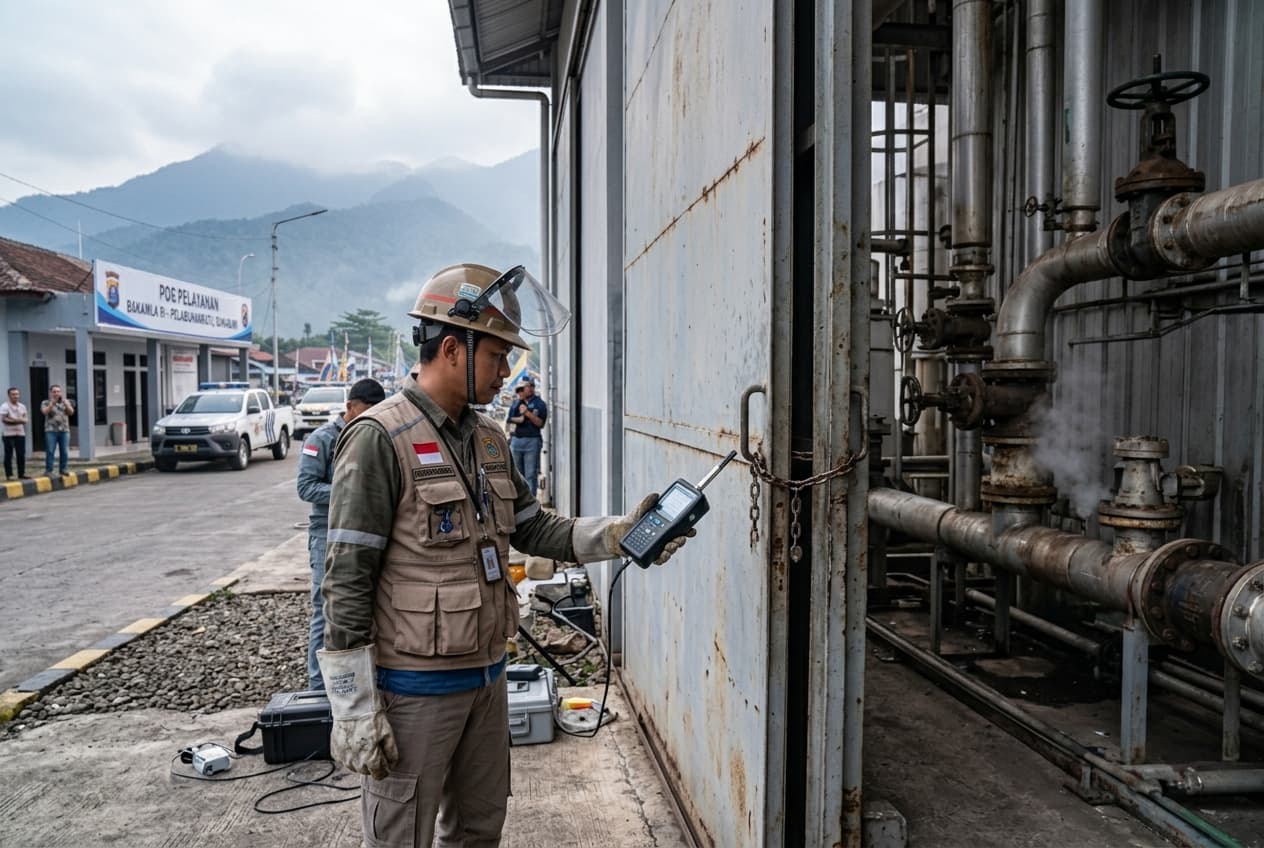
AI Image Disclaimer: The visuals accompanying this article are AI-generated illustrations designed to reflect the themes of global health and medical research.
Sources: UNAIDS Reuters Al Jazeera United Nations News
Published by Banx Network. This article is part of the Banx decentralized media programme, powered by the BXE token on the XRP Ledger.