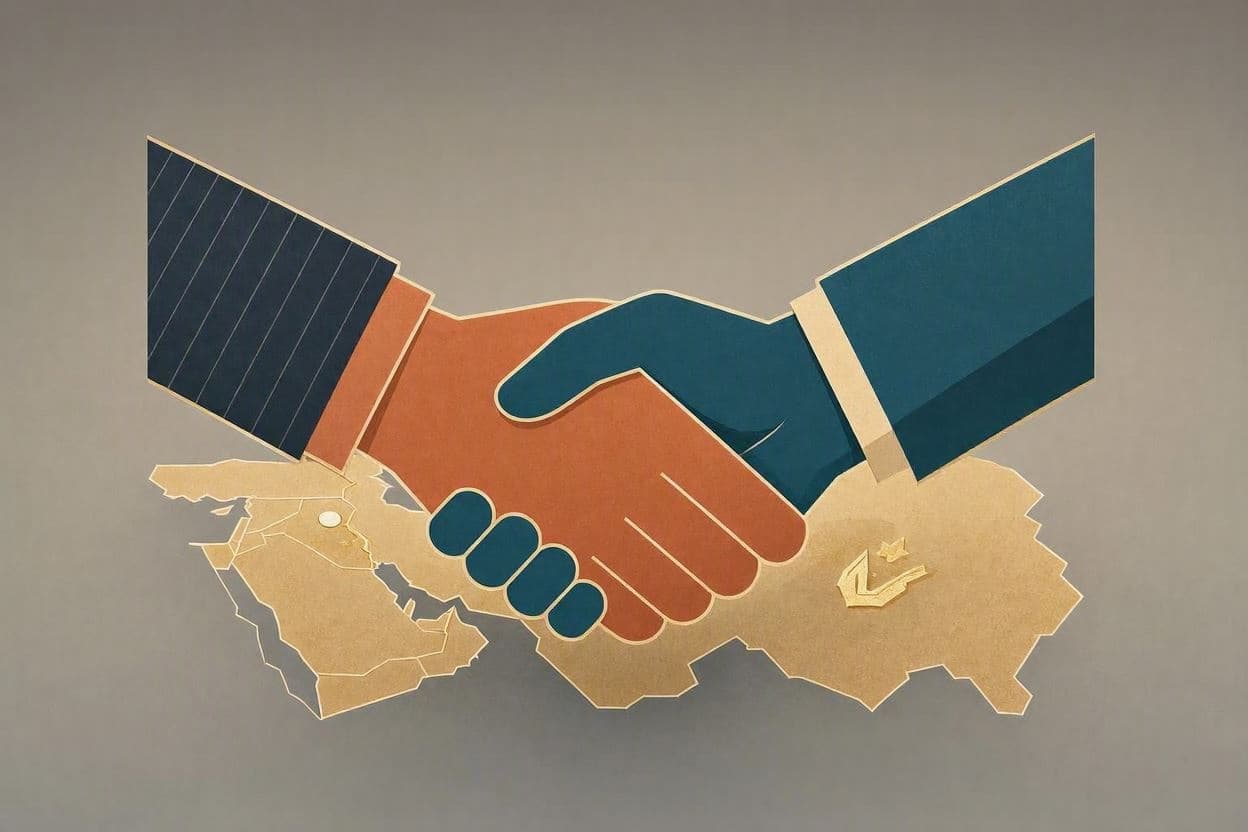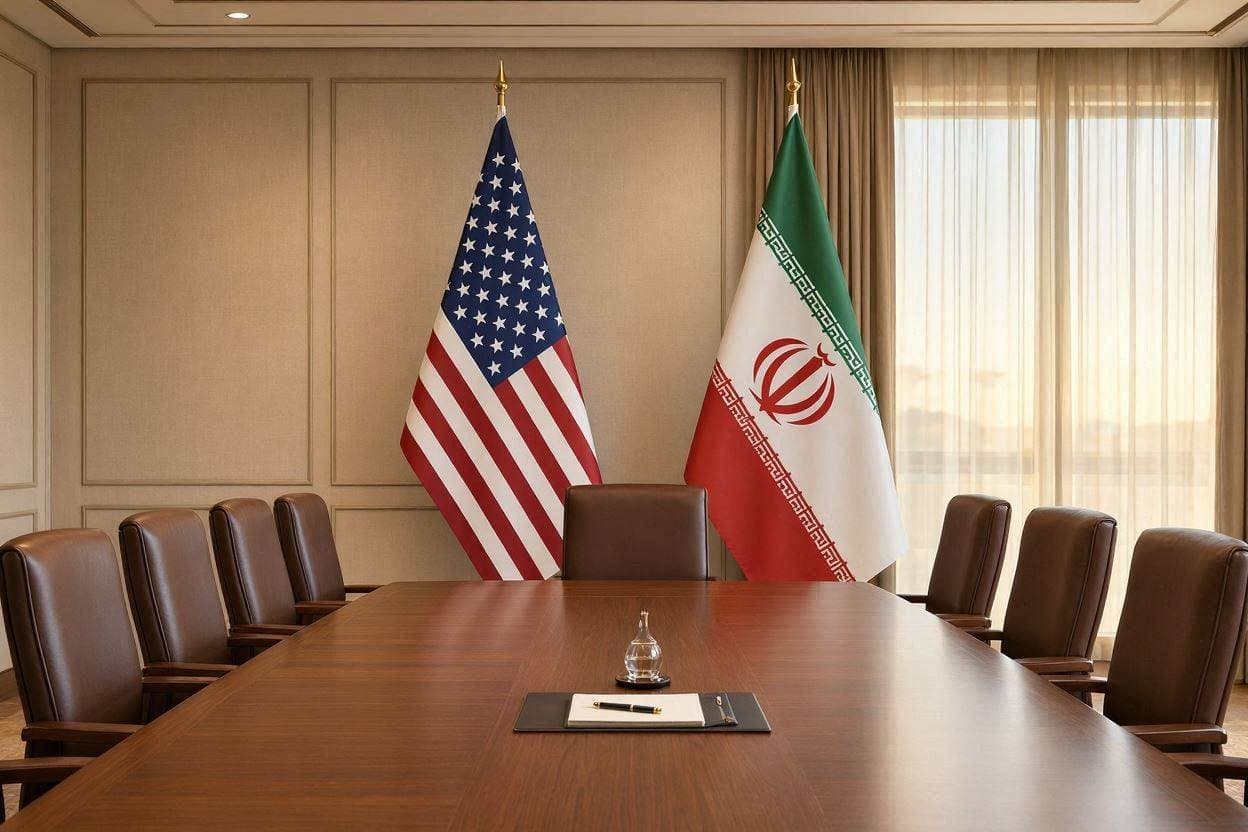
In the high-stakes theater of international diplomacy, a single decision can shift the trajectory of history. President Donald Trump’s announcement that he has called off planned military strikes against Iran has brought a momentary sigh of relief to a region bracing for conflict. Yet, this reprieve is accompanied by a lingering sense of uncertainty. As the immediate threat of escalation recedes, the path forward remains obscured by mistrust and complex geopolitical dynamics. The world watches with bated breath, wondering if this pause will lead to a lasting peace or merely a temporary ceasefire in a long-standing rivalry.
The decision to halt the strikes came after intense negotiations and reported breakthroughs in talks between Washington and Tehran. President Trump cited progress in these discussions as the primary reason for stepping back from the brink, emphasizing a desire to avoid further bloodshed. This move marks a significant pivot from previous rhetoric, which had hinted at more aggressive military action. For diplomats and analysts, it represents a critical test of whether dialogue can succeed where force has often failed.
However, the reaction from Iran has been cautious. While some officials have welcomed the de-escalation, others remain skeptical of American intentions. The history of broken agreements and mutual suspicion casts a long shadow over current efforts. Tehran has denied making any major concessions, suggesting that the negotiations are still in their early stages. This disconnect in narratives highlights the fragility of the current situation, where misinterpretation could easily reignite tensions.
The international community has responded with a mix of hope and caution. European allies, who have long advocated for diplomatic solutions, have praised the decision to prioritize talks. They see this as an opportunity to revive broader regional stability and address underlying issues such as nuclear proliferation and economic sanctions. However, they also warn that sustained commitment from both sides is essential for any agreement to hold.
Domestically, the decision has sparked debate within the United States. Supporters argue that avoiding war is a victory for pragmatism and human life, while critics question whether the administration is showing weakness or missing a strategic opportunity. The political landscape is divided, reflecting the complex nature of foreign policy decisions that carry both moral and strategic weight.
Economic implications are also significant. The threat of conflict had already impacted global oil markets, causing volatility and concern among investors. The cancellation of strikes has helped stabilize prices, but uncertainty remains. Markets are sensitive to any news from the region, and traders are closely monitoring developments for signs of future instability.
For the people of Iran and the broader Middle East, the stakes are personal and profound. Years of sanctions and isolation have taken a toll on daily life, and the prospect of war brings fear of further suffering. A successful negotiation could offer a path toward economic relief and normalcy, but failure could mean continued hardship. The human cost of this diplomatic dance is measured in livelihoods and hopes.
As talks continue, the world waits to see if this moment of restraint will translate into a durable agreement. The uncertainty surrounding the Iran war talks is a reminder that peace is not just the absence of conflict but the presence of trust. In the days ahead, the actions of leaders on both sides will determine whether this pause becomes a foundation for peace or a prelude to further strife.
AI Image Disclaimer: The visuals accompanying this article are AI-generated illustrations designed to represent the themes of diplomatic negotiation and geopolitical tension.
Sources: CNN, AP News, Al Jazeera, PBS NewsHour, CBS News
Published by Banx Network. This article is part of the Banx decentralized media programme, powered by the BXE token on the XRP Ledger.