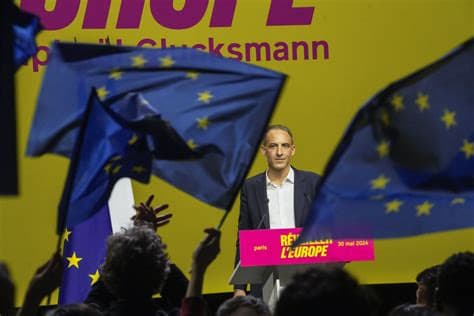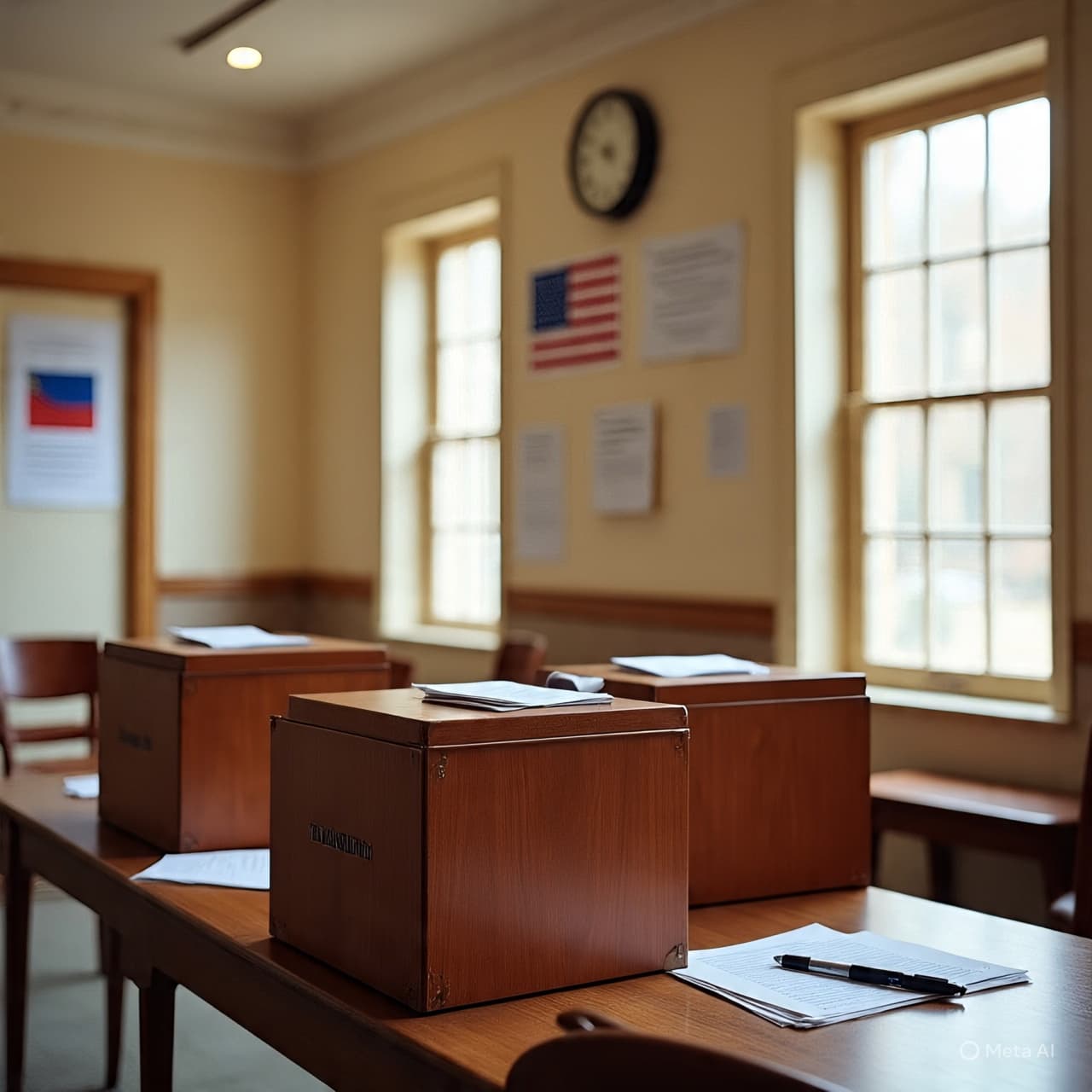
Democracy often announces itself through noise—the rustle of campaign leaflets, the steady rhythm of polling day, the familiar walk to a local hall where choices are quietly made. Yet sometimes it is the silences that speak more loudly. Across parts of England, that silence may stretch longer than expected, as dozens of council elections appear set to be postponed until 2027.
More than 20 local authorities are now expected to delay elections originally scheduled for next year, extending the terms of sitting councillors by an additional year. The shift is tied to the government’s push for large-scale reorganisation of local government, particularly the transition toward new unitary council structures. Officials argue that managing complex structural change alongside full elections would place an unsustainable burden on already stretched councils.
The scale of the delay is notable. Millions of voters could find themselves without a chance to renew or withdraw their consent at the ballot box in 2026. Hundreds of councillors may remain in office longer than planned, not by electoral choice but by administrative necessity. For some communities, this will mean a longer wait before local accountability is formally renewed.
Ministers have framed the postponements as practical rather than political. Reorganisation, they say, is designed to simplify governance, reduce duplication, and create councils better suited to deliver services. Holding elections amid such transformation could risk confusion, overlapping mandates, or councils elected only to be dissolved months later. In this telling, delay is presented as an act of order, not avoidance.
Yet elections are not merely administrative milestones. They are moments of connection between citizens and institutions, moments when public authority is briefly returned to the people for renewal. Critics argue that postponing votes—even with procedural justification—risks dulling that connection. Some opposition figures have described the delays as a troubling precedent, warning that democratic timetables should bend only with great caution.
Legal challenges have been threatened, and political rhetoric has sharpened in response. Still, the policy’s defenders emphasize that the elections are not being canceled, only deferred, and that voters will ultimately choose representatives for the new council structures rather than outdated ones. The question, then, becomes one of balance: efficiency versus immediacy, reform versus ritual.
For residents in affected areas, the implications are quietly personal. Local concerns—planning decisions, social care, transport, housing—will continue to be overseen by councils whose mandates have been extended without a fresh vote. Trust, in such circumstances, rests heavily on transparency and restraint.
As England’s local government landscape reshapes itself, the delayed elections stand as a reminder that democracy is not only about outcomes, but timing. When the civic clock is paused, even briefly, it invites reflection on how power is held, renewed, and shared.
The ballots will return. The question lingering in the meantime is how the pause will be remembered—not as a necessary step toward reform, or as a moment when democratic patience was tested.
AI Image Disclaimer Illustrations in this article were produced with AI tools and are intended as conceptual depictions rather than real-world images.
Sources
The Guardian Financial Times BBC News Evening Standard The Times
Published by Banx Network. This article is part of the Banx decentralized media programme, powered by the BXE token on the XRP Ledger.