In South Africa, election seasons often arrive quietly before they gather their noise. They begin not with rallies, but with acknowledgments — moments when leaders test the weight of their own words against the daily lives of citizens.
President Cyril Ramaphosa said his African National Congress party has fallen short in meeting the basic needs of many South Africans, an admission delivered as the country prepares for crucial municipal elections within the next year. The statement carried a restrained tone, less a campaign flourish than a recognition of distance between policy and experience.
Municipal elections in South Africa tend to sharpen that distance. They bring governance down to the level of electricity outages, water access, refuse collection, and local employment — services that shape trust more immediately than national vision. In recent years, many communities have voiced frustration with uneven delivery, aging infrastructure, and administrative breakdowns.
Ramaphosa’s comments acknowledged those pressures without assigning singular blame. He framed the challenge as cumulative, built over time, and reflected in the lived realities of households that continue to wait for reliable services. The admission also signals an awareness that local contests are increasingly competitive, with voters weighing alternatives more openly than in the past.
For the ANC, which has governed since the end of apartheid, municipal elections have become a measure of durability rather than dominance. Gains and losses at the local level now serve as indicators of whether renewal efforts are being felt beyond party structures.
No specific policy shifts were announced alongside the remarks. Instead, the message emphasized responsibility and the need for improvement, suggesting that the coming year will test whether acknowledgment can translate into change that residents can see.
As preparations for the elections continue, the focus narrows from national legacy to neighborhood outcomes. In that space, words matter — but delivery matters more. The months ahead will reveal whether the gap Ramaphosa described begins to close, or simply becomes more visible at the ballot box.
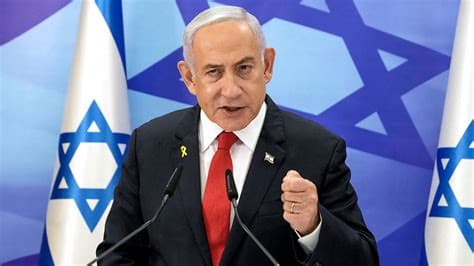
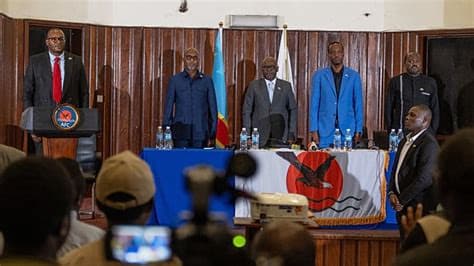
AI Image Disclaimer: Illustrations were created using AI tools and are not real photographs.
Sources: Reuters Associated Press Financial Times
Published by Banx Network. This article is part of the Banx decentralized media programme, powered by the BXE token on the XRP Ledger.