Tragedy often leaves behind a trail of questions, some of which are answered only in the quiet reflections of those who knew the perpetrator best. In the aftermath of the devastating shooting in Lewiston, Maine, voices from the past have emerged to shed light on the troubled history of Robert Card, the U.S. Army reservist and firearms instructor responsible for the violence. His former spouses have spoken out, describing a pattern of behavior that included threats and instability, raising painful questions about missed opportunities for intervention and the complexities of mental health and gun ownership.
Body: The accounts provided by Card’s ex-wives paint a disturbing picture of a man struggling with severe mental health issues and erratic behavior. They recount instances of verbal abuse, threats of violence, and concerning actions that, in hindsight, appear as warning signs. These testimonies are not offered to assign blame but to provide context to a tragedy that claimed eighteen lives and injured many others. Their courage in speaking out adds a layer of human depth to the statistical horror of mass shootings.
One of the critical aspects of this case is Card’s position as a firearms instructor and his access to weapons. Despite reported concerns from family members and colleagues, he was able to retain his security clearance and continue working with firearms for a time. This discrepancy has sparked a broader debate about the protocols for evaluating mental fitness among those in positions of trust and authority, particularly within the military and law enforcement sectors. The system designed to protect may have inadvertently enabled.
The failure to act on red flags is a recurring theme in discussions of mass violence. Family members often find themselves in difficult positions, torn between loyalty, fear, and the desire to help. In Card’s case, reports were made to authorities, but the response was insufficient to prevent the eventual outcome. This highlights the challenges of navigating mental health crises within legal frameworks that prioritize individual rights until a clear and present danger is established.
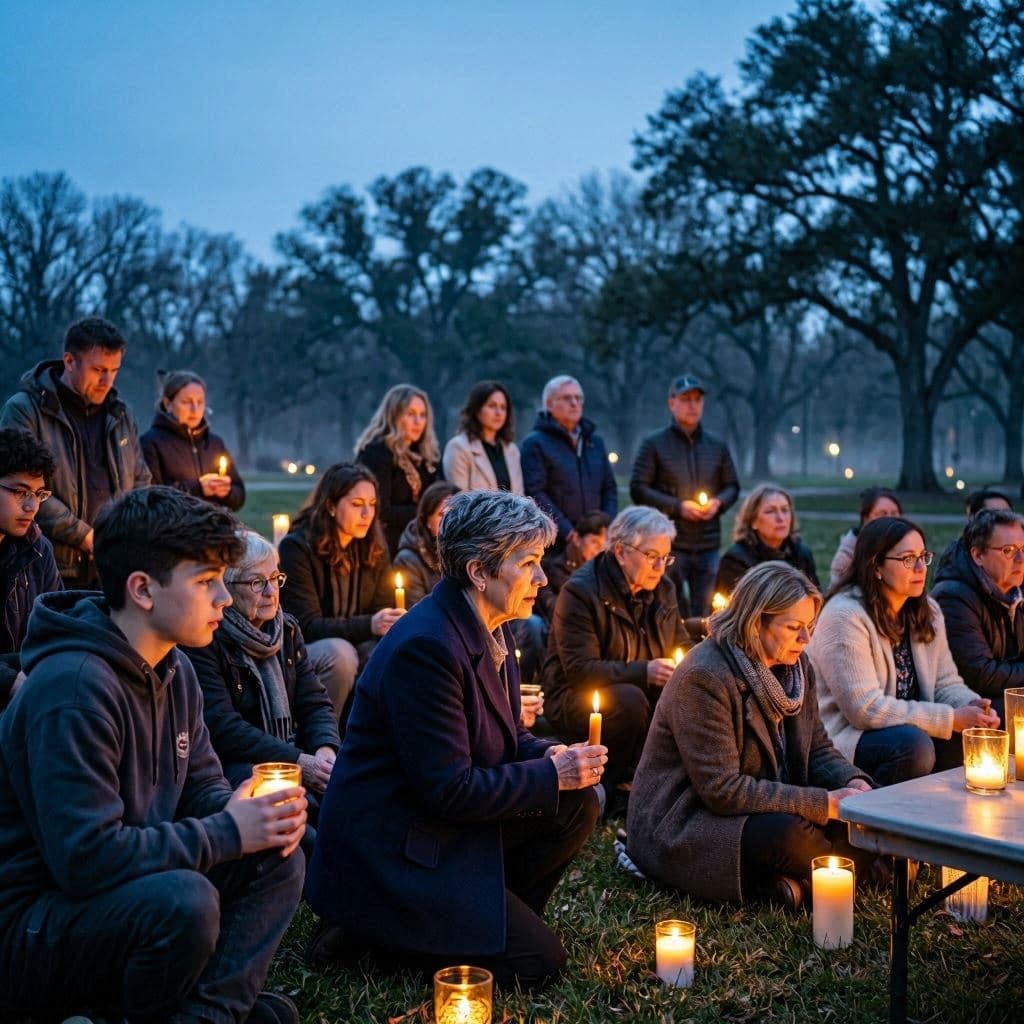
Community reaction in Lewiston has been one of profound grief and anger. Residents are grappling with the realization that the shooter was known to some in the community, yet his potential for violence was not fully recognized or addressed. The tragedy has led to calls for stricter background checks and better integration of mental health records into firearm purchase systems. It is a plea for a more proactive approach to public safety that balances rights with responsibility.
The role of the military in monitoring the mental health of its reservists is also under scrutiny. Card’s status as a reservist meant he was subject to certain evaluations, yet gaps in communication between civilian and military authorities may have contributed to the oversight. Ensuring that those with access to weapons are mentally fit is a collective responsibility that requires seamless coordination across various institutions.
As the investigation continues, the focus remains on understanding how such a catastrophic event could occur despite existing safeguards. The testimonies of Card’s ex-wives serve as a poignant reminder that behind every headline is a web of relationships and histories that shape individual actions. Their words urge society to listen more closely to the whispers of distress before they become screams of violence.
Closing: The Lewiston shooting remains a scar on the community, but the voices of those who knew Card offer a path toward greater awareness and prevention. By acknowledging the warning signs and addressing systemic gaps, society can hope to prevent future tragedies. The conversation continues, driven by the need for justice, healing, and change.
AI Image Disclaimer: Please note that the images accompanying this article are AI-generated and intended for illustrative purposes only.
Sources: The New York Times CNN BBC News The Washington Post
Published by Banx Network. This article is part of the Banx decentralized media programme, powered by the BXE token on the XRP Ledger.