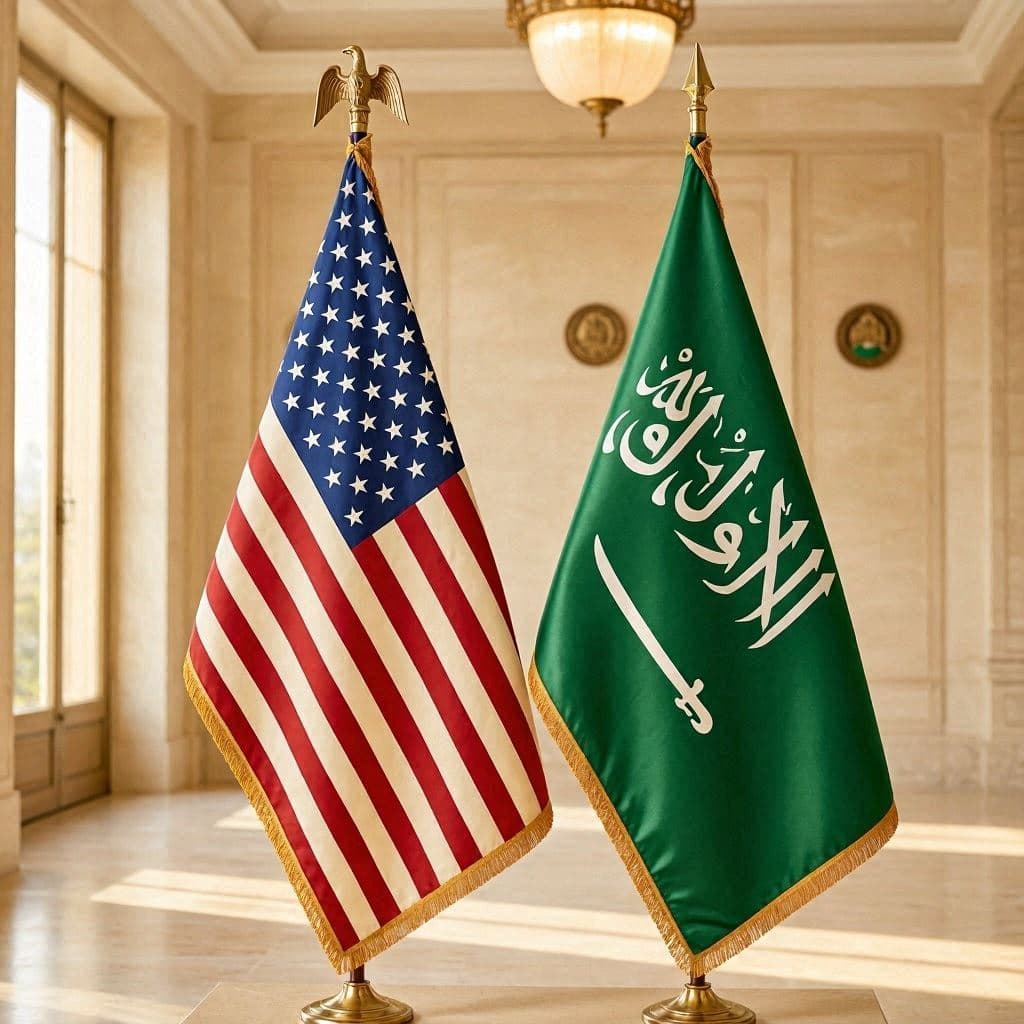
In the intricate dance of international diplomacy, few steps are as significant as those involving nuclear technology. Recent reports indicate that the United States and Saudi Arabia have reached a tentative agreement allowing the kingdom to enrich uranium on its own soil. This development marks a pivotal shift in Middle Eastern geopolitics, balancing energy ambitions with non-proliferation concerns. It is a move that carries both promise and peril, reflecting the complex interplay of strategic interests in a volatile region.
Body: The deal, reportedly negotiated under the current administration, would permit Saudi Arabia to develop a civilian nuclear program with domestic enrichment capabilities. Historically, U.S. nuclear agreements with other nations have included strict safeguards, often referred to as the "gold standard," which prohibit indigenous enrichment to prevent the diversion of material for weapons. The departure from this precedent raises questions about the motivations behind the decision and its potential implications for regional stability.
Proponents of the agreement argue that it strengthens ties with a key ally and supports Saudi Arabia’s transition away from oil dependence. The kingdom has expressed strong interest in nuclear energy as part of its Vision 2030 economic diversification plan. By allowing enrichment, the U.S. aims to secure a competitive edge against other global suppliers, such as Russia and China, who have also offered nuclear cooperation to Riyadh.
However, critics warn that granting enrichment capabilities increases the risk of nuclear proliferation. The technical knowledge and infrastructure required for civilian enrichment can potentially be repurposed for military use. In a region marked by longstanding tensions and rivalries, the introduction of new nuclear actors could trigger an arms race, undermining decades of non-proliferation efforts.
The agreement is subject to congressional review, providing a checkpoint for legislative oversight. Lawmakers from both parties have expressed concern about the lack of stringent safeguards. They argue that without robust inspections and limitations, the deal could compromise national security and set a dangerous precedent for other nations seeking similar concessions.
Saudi officials have assured the international community that their nuclear program is strictly for peaceful purposes. They emphasize their commitment to International Atomic Energy Agency (IAEA) standards and transparency. Yet, skepticism remains, fueled by the kingdom’s past rhetoric and the broader geopolitical context. Trust, in this arena, is a fragile commodity that must be continuously earned.
The impact on Israel and other regional powers is also a consideration. Normalization of relations between Saudi Arabia and Israel has been linked to security guarantees and nuclear cooperation. This deal may serve as a component of broader diplomatic efforts, aiming to create a new security architecture in the Middle East. Its success or failure could influence the trajectory of peace initiatives in the region.
Closing: As the details of the agreement become clearer, the world watches with cautious interest. The decision to allow uranium enrichment in Saudi Arabia is a significant milestone in U.S. foreign policy. Whether it leads to greater stability or heightened tension will depend on the implementation of safeguards and the commitment of all parties to peaceful cooperation.
AI Image Disclaimer: Images included here are AI-generated concepts of diplomatic negotiations and nuclear facilities, designed to visualize the geopolitical themes without depicting specific real-world locations.
Sources: CNN Forbes Reuters The Hill
Published by Banx Network. This article is part of the Banx decentralized media programme, powered by the BXE token on the XRP Ledger.