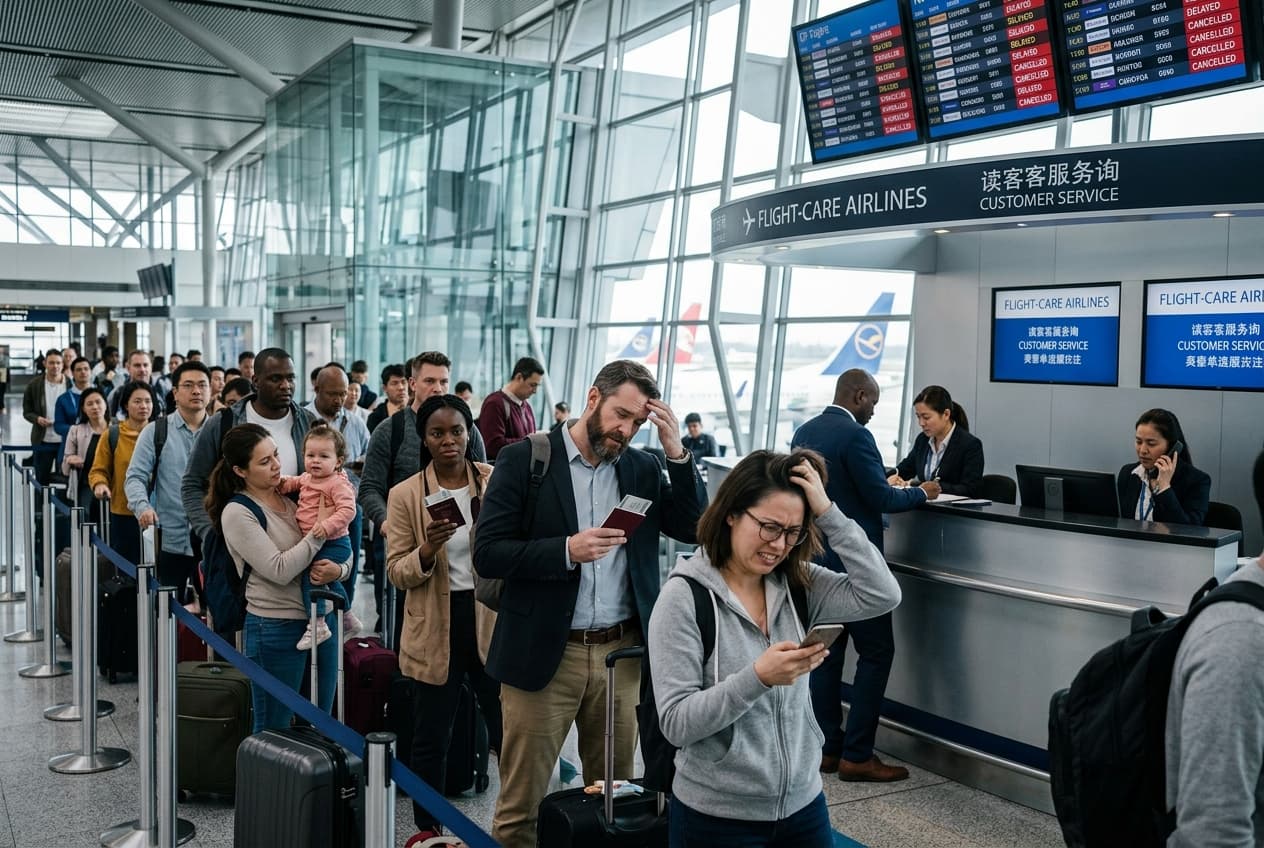
Airports are gateways to the world, places where paths cross and journeys begin. In Philadelphia, one such journey has left a trace of concern, as health officials issued a warning about potential measles exposure at the international airport. Measles, a highly contagious viral disease, has seen a resurgence in recent years, challenging the progress made through vaccination. This alert is not a cause for panic but a prompt for awareness, reminding travelers of the importance of immunity and the shared responsibility we hold for public health in transit hubs.
Body: The warning specifies certain dates and terminals where an infected individual may have been present. Measles spreads through the air when an infected person coughs or sneezes, and the virus can linger in the airspace for up to two hours. For those who were in the vicinity during the specified times, health officials recommend monitoring for symptoms such as fever, cough, and rash. Early detection is key to preventing further spread and ensuring timely medical care.
Measles is particularly dangerous for unvaccinated individuals, including young children and those with compromised immune systems. Before the introduction of the vaccine, it was a common childhood illness, but today it is largely preventable. The recent increase in cases is often linked to gaps in vaccination coverage, highlighting the need for continued education and access to immunizations. This incident serves as a gentle reminder to check vaccination records, especially before traveling.
The response from health authorities has been proactive and informative. They have provided clear guidance on what steps to take if exposure is suspected. This includes contacting healthcare providers before visiting a clinic to prevent potential exposure to others. Such protocols are designed to balance the need for information with the protection of privacy and public safety. Transparency helps to build trust and encourage responsible behavior.
For the traveling public, the news may bring a moment of hesitation. However, experts emphasize that the risk is manageable with proper precautions. Wearing masks, practicing good hygiene, and staying informed are simple yet effective ways to protect oneself and others. Airports and airlines also follow strict cleaning and ventilation standards to minimize the risk of disease transmission, adding another layer of safety.
The global nature of travel means that diseases can move quickly across borders. This makes international cooperation and surveillance essential. Health organizations worldwide track outbreaks and share information to enable rapid response. The warning in Philadelphia is part of this broader network of vigilance, demonstrating how local actions contribute to global health security.
Community support plays a vital role in managing such situations. Local health departments work with schools, businesses, and community groups to disseminate information and offer resources. Vaccination clinics may see increased demand, which is a positive sign of public engagement. By coming together, communities can strengthen their defenses against preventable diseases.
Closing: In the end, the measles exposure warning at Philadelphia International Airport is a testament to the effectiveness of public health monitoring. It encourages travelers to stay informed and proactive about their health. As we continue to connect with the world, let us do so with awareness and care, ensuring that our journeys are safe for ourselves and those around us.
AI Image Disclaimer: Visuals accompanying this text are AI-generated conceptualizations intended to depict the themes of travel health and public safety.
Sources: Philadelphia Department of Public Health Centers for Disease Control and Prevention (CDC) NBC Philadelphia
Published by Banx Network. This article is part of the Banx decentralized media programme, powered by the BXE token on the XRP Ledger.