In the quiet tapestry of the night sky, there are moments that feel almost like a first breath — a gentle stir that promises deeper stories yet to unfold. When humans first turned their gaze upward, they learned to read light like language, discovering that even the stars have histories to share. Now, in a new chapter of this ancient dialogue, a private eye in space has opened its own gaze, capturing for the first time the light of a distant sun and quietly announcing its arrival to the larger scientific conversation.
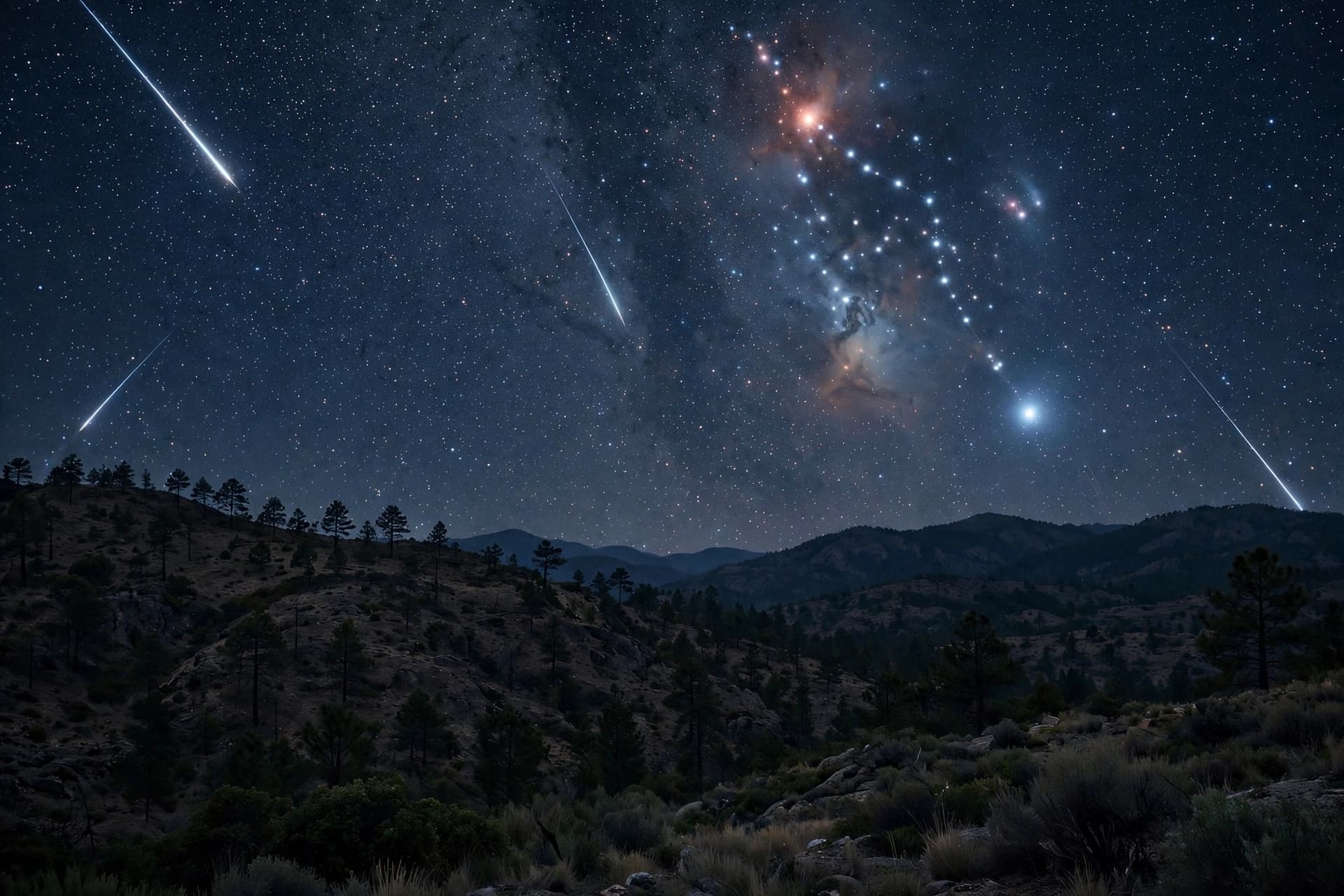
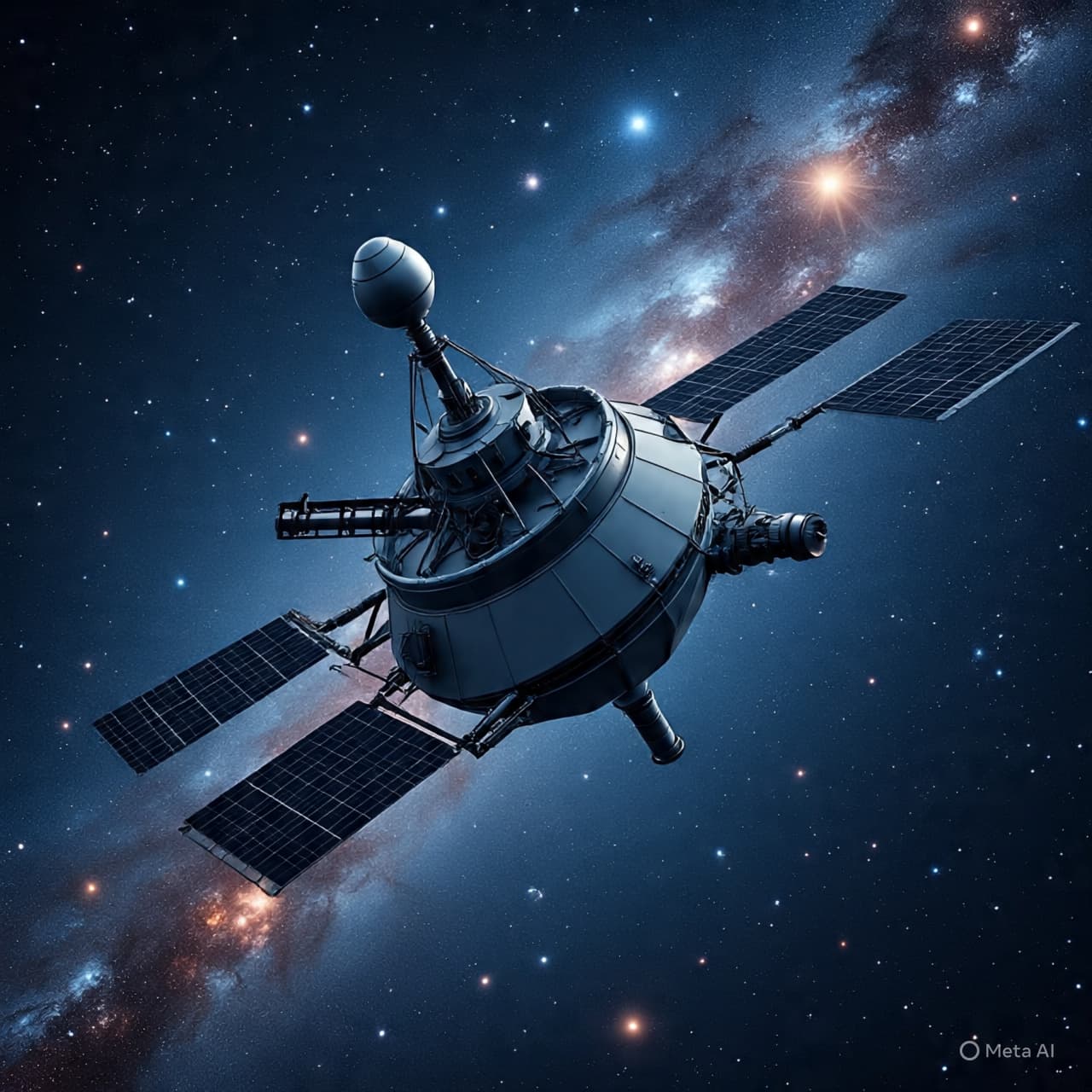
The small satellite, named Mauve, isn’t large in stature — roughly the size of a suitcase — yet it carries with it a new sense of possibility. Launched last November aboard a SpaceX Falcon 9 rocket, this compact telescope is the world’s first of its kind: a privately operated observatory designed to help astronomers everywhere explore the skies. After months of meticulous instrument tests and careful calibration, Mauve turned its gaze toward eta Ursa Majoris, a bright star some 104 light-years from Earth nestled within the constellation of the Great Bear. In a brief five-second exposure, Mauve measured light from this star across both visible and ultraviolet wavelengths, capturing data that, like a gentle whisper, adds a new voice to our chorus of cosmic understanding.
This achievement may seem subtle compared with the grand images that captivate billions — the swirling arms of distant galaxies or the birthplaces of newborn stars — yet it carries its own quiet significance. Ultraviolet light, in particular, reveals traits of suns and planetary systems that other wavelengths can miss. Until now, such measurements were the province of heavily oversubscribed observatories like NASA’s Hubble Space Telescope, an instrument that must balance many scientific priorities. Mauve’s niche focus on ultraviolet observation, and its willingness to share observing time broadly, suggests a future where more eyes can look upward without the long waits and tight schedules that have defined space science for decades.
In saying that its first star has been seen, there is no rush to grandiose declarations or sweeping proclamations about rewriting theory. Rather, this milestone feels like a gentle opening of a door — an invitation to explore, to measure, and to learn from the light that has traveled years across the void to reach a small instrument orbiting far above the Earth. As Mauve begins its mission, it reminds us that discovery is not only in the spectacular but often resides in steady, thoughtful observation.
In straightforward terms today, the Mauve telescope has successfully recorded light from its first stellar target, validating its design and beginning its operational phase. Scientists will now continue to use the data to refine calibration and start a series of targeted observations, potentially including stars that may host planets with conditions favorable to life. This marks a modest but meaningful step in the growing role of commercial tools in space science.
AI IMAGE DISCLAIMER Graphics are AI-generated and intended for representation, not reality.
SOURCES Space.com; Space.com Exoplanets section; Space.com general.
Published by Banx Network. This article is part of the Banx decentralized media programme, powered by the BXE token on the XRP Ledger.