
Key Highlights
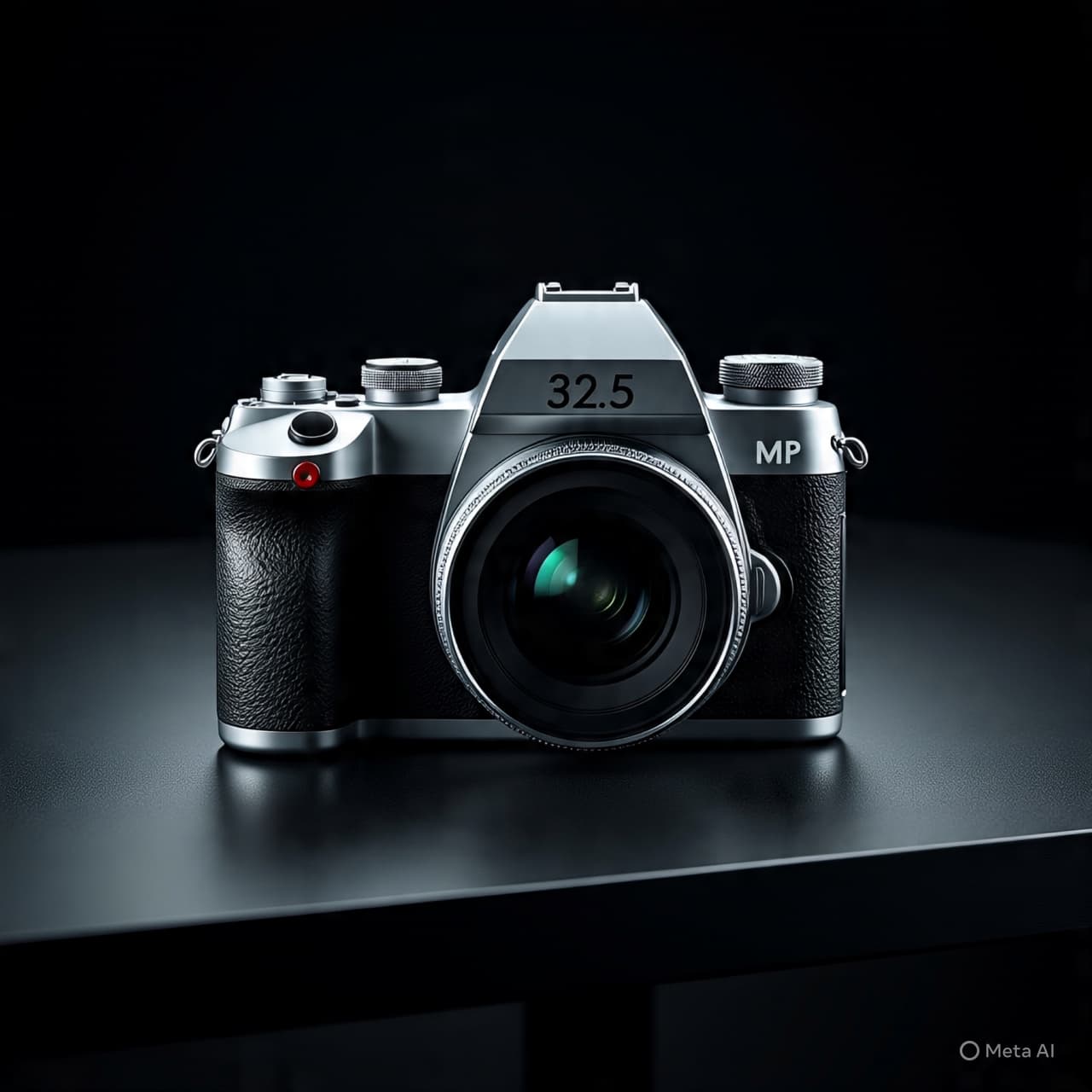
- New Sensor:The Canon EOS R6 Mark III features a 32.5-megapixel full-frame CMOS sensor.
- Video Capabilities:It supports internal 7K RAW video recording at up to 60 frames per second.
- Enhanced Autofocus:The camera includes the latest Dual Pixel CMOS AF II for improved subject tracking.
The Canon EOS R6 Mark III has officially launched, marking a significant upgrade in the mirrorless camera market. This new model boasts a 32.5-megapixel full-frame CMOS sensor, a notable increase from the 24-megapixel sensor found in its predecessor, the R6 Mark II. This enhancement allows photographers to capture images with greater detail, enabling larger prints and more aggressive cropping without sacrificing quality.
In addition to improved still photography capabilities, the R6 Mark III excels in video performance. It supports internal 7K RAW video recording at up to 60 frames per second, as well as full open gate 7K video at 30 frames per second. This positions the R6 Mark III as a versatile tool for creators who require both high-quality stills and video in a single device. Canon's commitment to hybrid functionality is evident in this model, catering to the evolving needs of modern photographers and videographers.
The camera's design includes several video-centric features that enhance usability. A full-size HDMI Type-A port replaces the smaller Micro HDMI found in previous models, providing better connectivity options for external monitors. Additionally, the R6 Mark III offers Canon Log 2 and Log 3 profiles, a tally lamp for video recording, and advanced subject tracking capabilities, making it a robust choice for video production workflows.
On the still photography side, the autofocus system has been upgraded to the latest Dual Pixel CMOS AF II, which improves subject registration and tracking, particularly for human subjects. This enhancement is crucial for photographers who often capture dynamic scenes with moving subjects.
Storage solutions have also been improved in the R6 Mark III, featuring dual card slots: one for CFexpress Type B and another for UHS-II SD cards. This setup allows for high data rates necessary for burst shooting and video recording, while also accommodating more traditional storage methods.
As Canon continues to innovate, the R6 Mark III represents a significant step forward in their hybrid creator strategy. While the increase in resolution and video capabilities may not appeal to every photographer, the camera promises to be a valuable tool for those who bridge the gap between photography and filmmaking. The challenge now lies in how effectively creators can leverage these advancements in their workflows, ensuring that the technology meets the demands of their artistic vision.
The EOS R6 Mark III is not just an upgrade; it is a redefinition of what a mid-tier full-frame mirrorless camera can offer, blending high-resolution stills with advanced video capabilities to meet the needs of today's diverse creators.
Published by Banx Network. This article is part of the Banx decentralized media programme, powered by the BXE token on the XRP Ledger.



